A Guide to Visiting the best Vineyards near Rye
Overview Return to contents
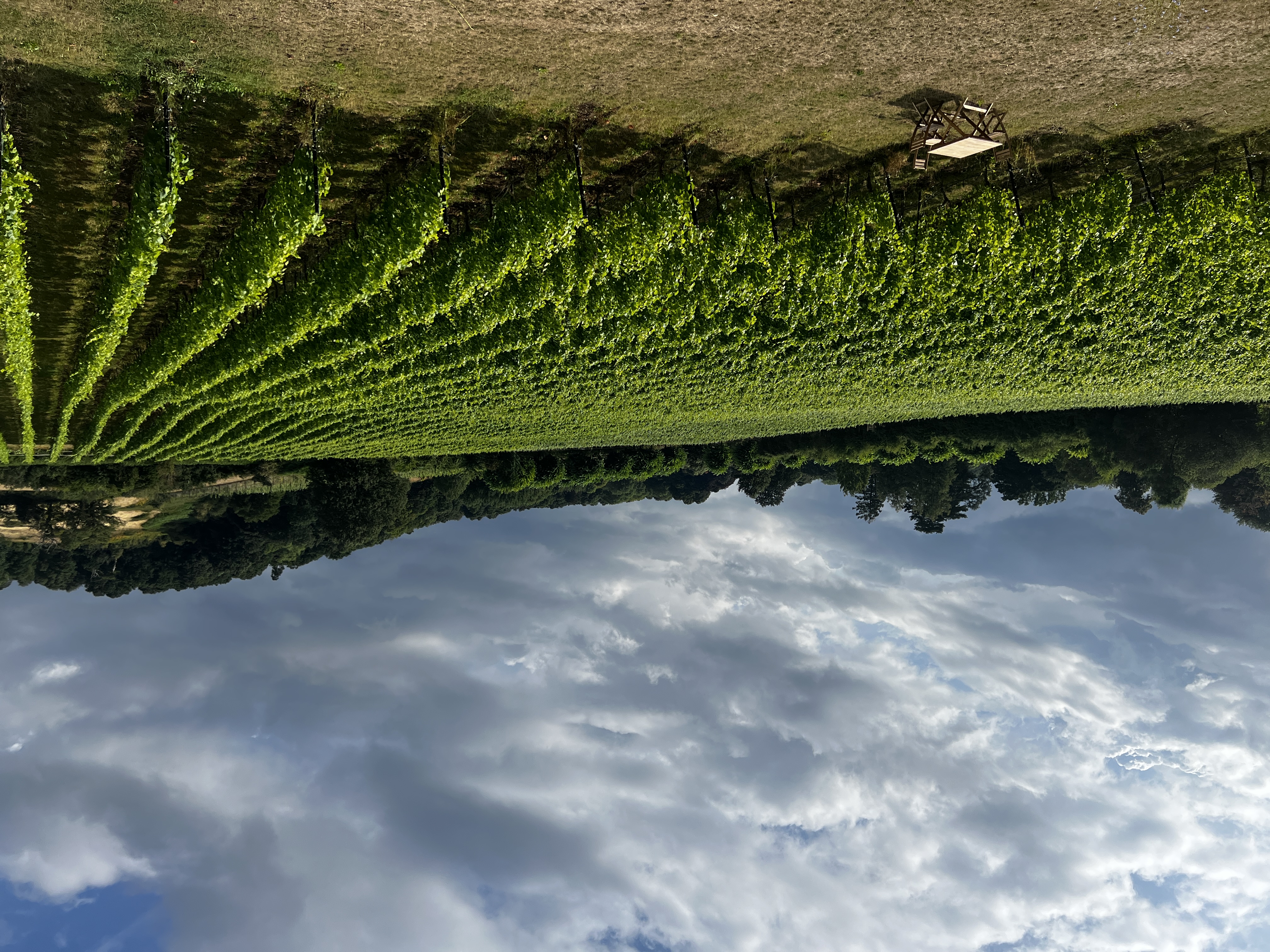
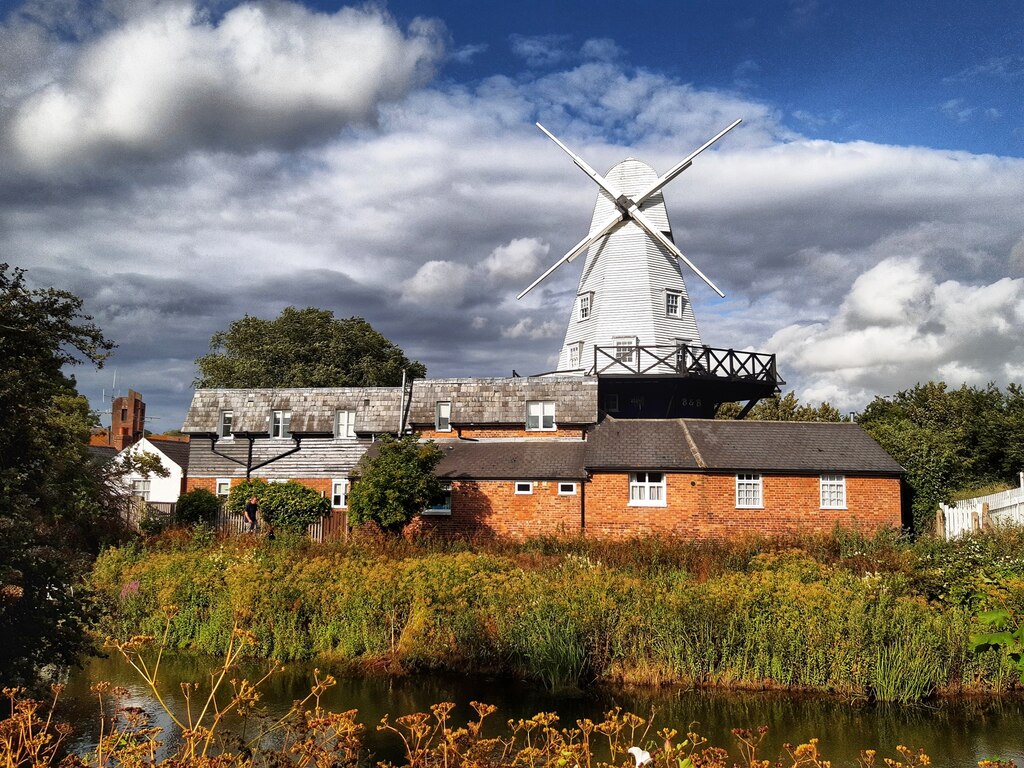
Positioned near the Sussex-Kent border and just inland from the coast, Rye has long been a destination in its own right rather than simply a convenient place to stay. Its compact medieval centre, independent shops, and strong food and drink scene make it an appealing base even without vineyard visits. What sets Rye apart is how easily those town pleasures combine with access to some of southern England’s most interesting wine estates, most of them reachable within 15–30 minutes by car.
The surrounding landscape shapes both the visit and the wines themselves. Flat marshland gives way to gently sloping vineyard sites, while the nearby coast moderates temperatures and influences wine style. For visitors, this creates a relaxed rhythm: mornings at vineyards, afternoons walking the marshes or visiting the beach, and evenings spent in Rye’s historic pubs or wine-focused restaurants.
Best times to visit Return to contents
Spring (April–May): One of the best periods for a vineyard-focused visit. Vineyards are active but quieter than summer, walking routes across the marshes are at their best, and Rye itself feels calm without being closed down.
Summer (June–August): The busiest season, with full vineyard schedules and long evenings in town. Camber Sands and coastal routes are at their most popular. Vineyard tours, tastings, and accommodation should be booked well in advance.
Autumn (September–October): Harvest season brings added interest at nearby vineyards, with some running harvest-linked tastings or events. The town is less crowded than summer while still lively.
Winter (November–February): Quieter and more introspective, but still appealing. Several vineyards remain open for tastings or cellar-door sales, and Rye’s historic inns and wine bars make it a good off-season retreat.
Vineyards to visit from Rye



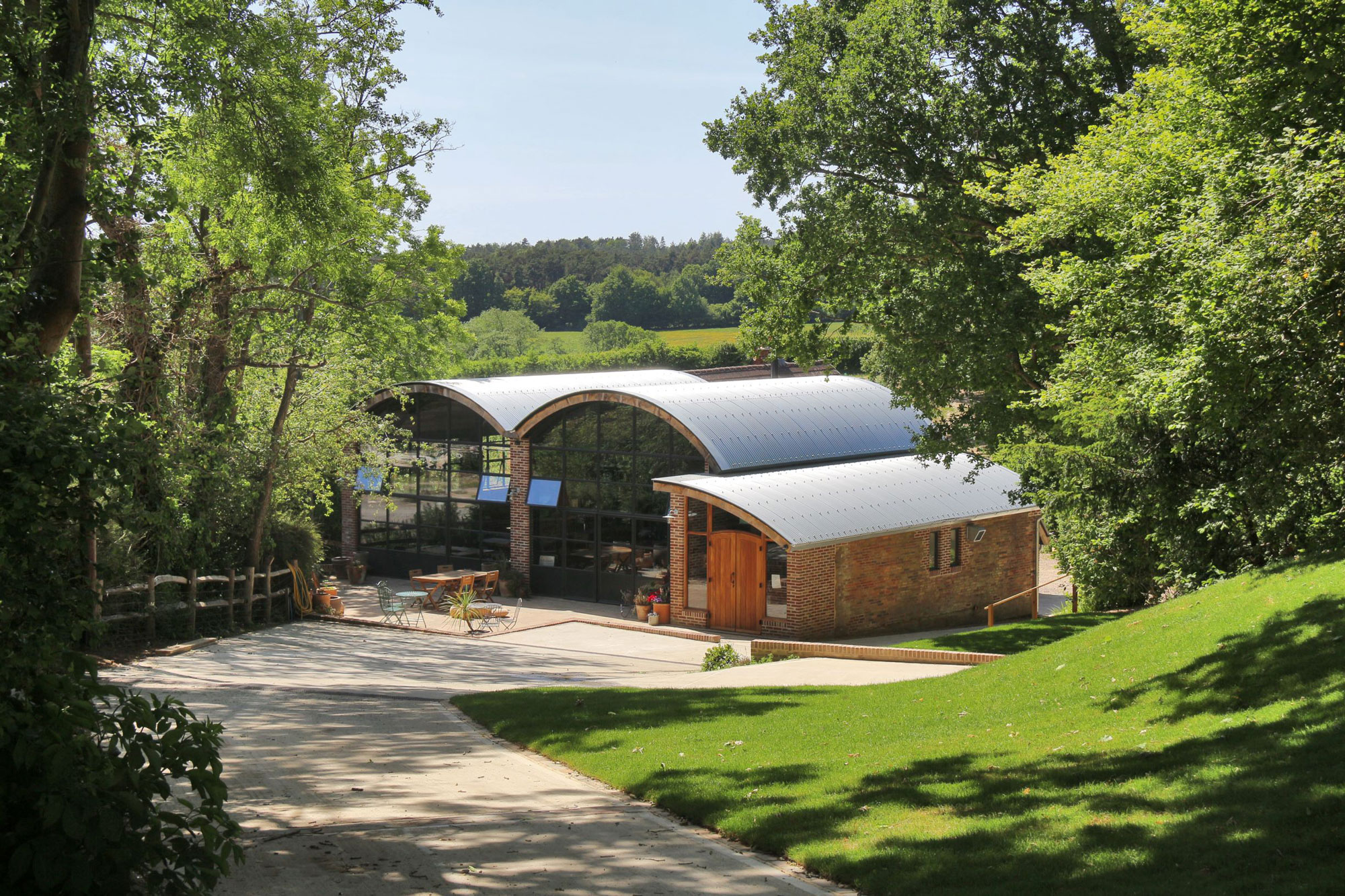
The vineyards near Rye Return to contents
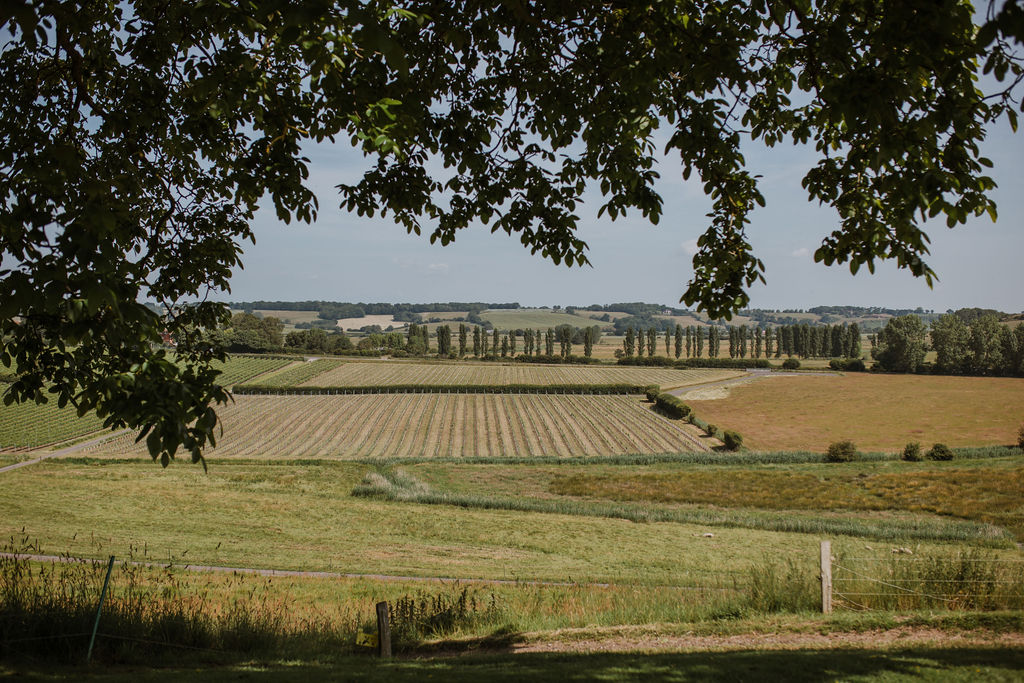
Rye is unusually well placed for vineyard visits, offering a broad range of styles within a short drive.
Tillingham
A leading low-intervention estate producing still, sparkling, and skin-contact wines. Known for its relaxed but thoughtful approach to wine, on-site dining, and vineyard accommodation. One of the closest and most distinctive vineyard experiences from Rye.
Oxney Organic Estate
The UK’s largest organic vineyard, focusing on minimal-intervention winemaking across still and sparkling styles. A key destination for visitors interested in organic viticulture.
Charles Palmer Vineyards
A family-run estate near Winchelsea producing elegant sparkling and still wines, with seasonal tastings and tours overlooking the surrounding countryside.
Harbourne Vineyard
A small producer specialising in naturally made wines, including skin-contact styles. Visits are limited and appeal most to those curious about experimental English wine.
Sedlescombe Organic Vineyard
A certified organic and biodynamic estate near Battle, producing expressive wines with a strong focus on ecological farming.
Gusbourne
An internationally recognised producer of premium sparkling wines, offering a refined and carefully structured tasting experience.
Chapel Down
One of England’s best-known wine producers, with a polished visitor offer and a wide range of sparkling and still wines.
What else is there to do in Rye? Return to contents
- Walk Mermaid Street and explore Rye’s medieval core.
- Visit Rye Castle Museum and climb St Mary’s Church tower for marshland views.
- Browse independent shops, antique dealers, and galleries.
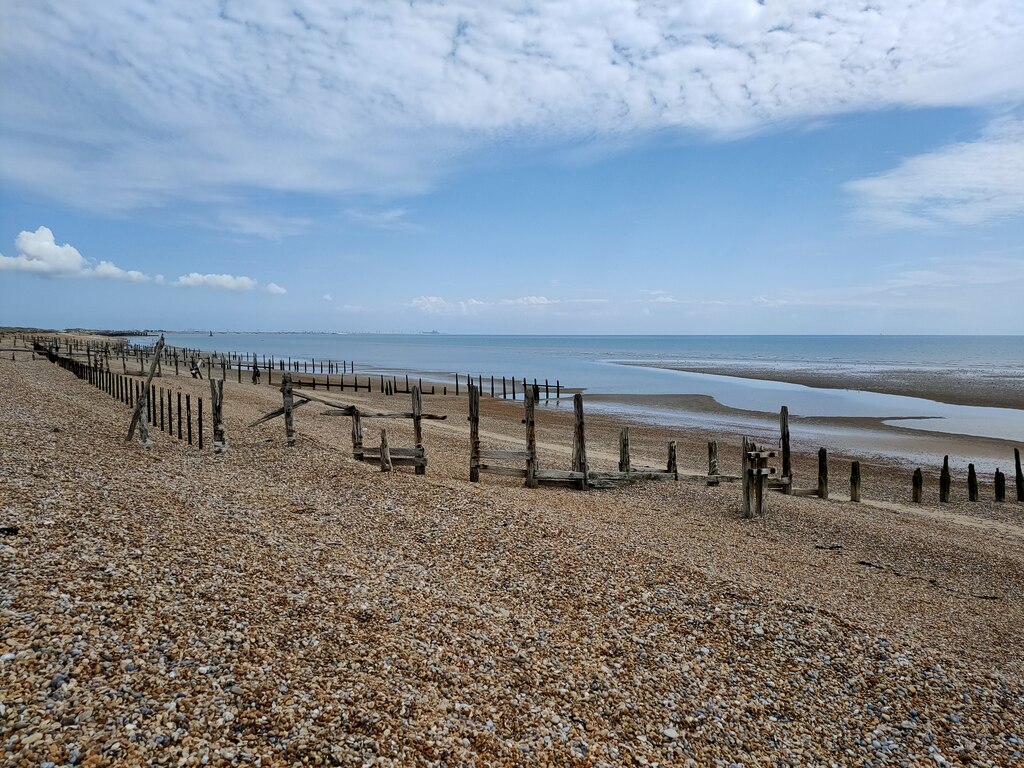
- Take a short trip to Camber Sands, one of the South East’s most striking beaches.
Where to eat and drink in Rye Return to contents
Rye has a compact but well-regarded food scene, with a noticeable emphasis on seasonal produce and thoughtful wine lists.
- Casual: Traditional pubs and fish-and-chip shops.
- Mid-range: Modern British restaurants with strong English wine representation.
- Special occasions: More refined dining rooms where English sparkling wines feature prominently.
Wine-focused visitors will also find specialist wine shops and bars in town, where English bottles are often available by the glass.
Where to stay Return to contents
- Boutique hotels in Rye’s historic centre.
- Characterful inns with centuries of history.
- B&Bs and short-term rentals in Rye and nearby Winchelsea, often better value outside peak summer.