UK Vineyards Making Vegan Wine
Wine is made from grapes - so you might assume all wine is vegan. In reality, that isn’t always the case. Some wines use animal-derived products during production, while others are made without them. This guide explains what vegan wine means, how to check, and what to expect when visiting vegan friendly vineyards in the UK.
What makes a wine vegan?
Return to contents
Vegan wine refers to how the wine is clarified during production, not the grapes themselves.
What is fining?
After fermentation, some winemakers use a process called fining to remove unwanted particles and improve clarity. Fining agents bind to sediment, which is then removed before bottling.Common non-vegan fining agents
Some traditional fining agents are animal-derived, including:- Egg white (albumin)
- Milk protein (casein)
- Fish-derived products (isinglass)
Vegan alternatives
Many modern producers use alternatives such as:- Bentonite (a natural clay)
- Activated charcoal
- Pea protein
- No fining at all (unfined wines)
Vegan, organic, biodynamic – what’s the difference?
Return to contents
These terms are often confused, but they are not interchangeable.
- Vegan refers to production methods, specifically the absence of animal-derived fining agents.
- Organic refers to how the grapes are grown, without synthetic pesticides or fertilisers.
- Biodynamic is a specific farming philosophy with additional practices beyond organic standards.
Are most UK wines vegan?
Return to contents
Many English and Welsh vineyards now use vegan-friendly fining methods, and some wines are unfined altogether. However, this does not automatically mean every wine in a producer’s range is vegan.
Some vineyards:
- Produce entirely vegan ranges
- Offer selected vegan wines only
- Use vegan methods but do not formally certify
How to check if a wine is vegan
Return to contents
If you’re buying or tasting wine and want to be sure it’s vegan, you can:
- Look for certification such as the Vegan Society logo
- Check the product page on the vineyard’s website
- Ask staff directly during a tasting
- Contact the vineyard in advance if booking a tour
Visiting vegan friendly vineyards in the UK
Return to contents
When visiting vineyards in person:
- Tasting staff usually know which wines are vegan within the range
- Some vineyards highlight vegan wines clearly on menus
- Restaurant food offerings may or may not be vegan, even if the wine is
Browse vegan friendly vineyards
Return to contents
Below you’ll find a selection of vegan friendly vineyards in the UK. Some produce fully vegan ranges, while others offer selected vegan wines. Always double-check individual bottles or vintages before travelling a long distance, as production methods can change over time.
Featured vineyards
Pattingham Vineyard produces vegan wines across its still and sparkling range, including Solaris, Pinot Noir Précoce, Divico and Seyval Blanc. Their estate wines are made without animal-derived fining agents, making the full collection suitable for those seeking vegan wine in the UK.
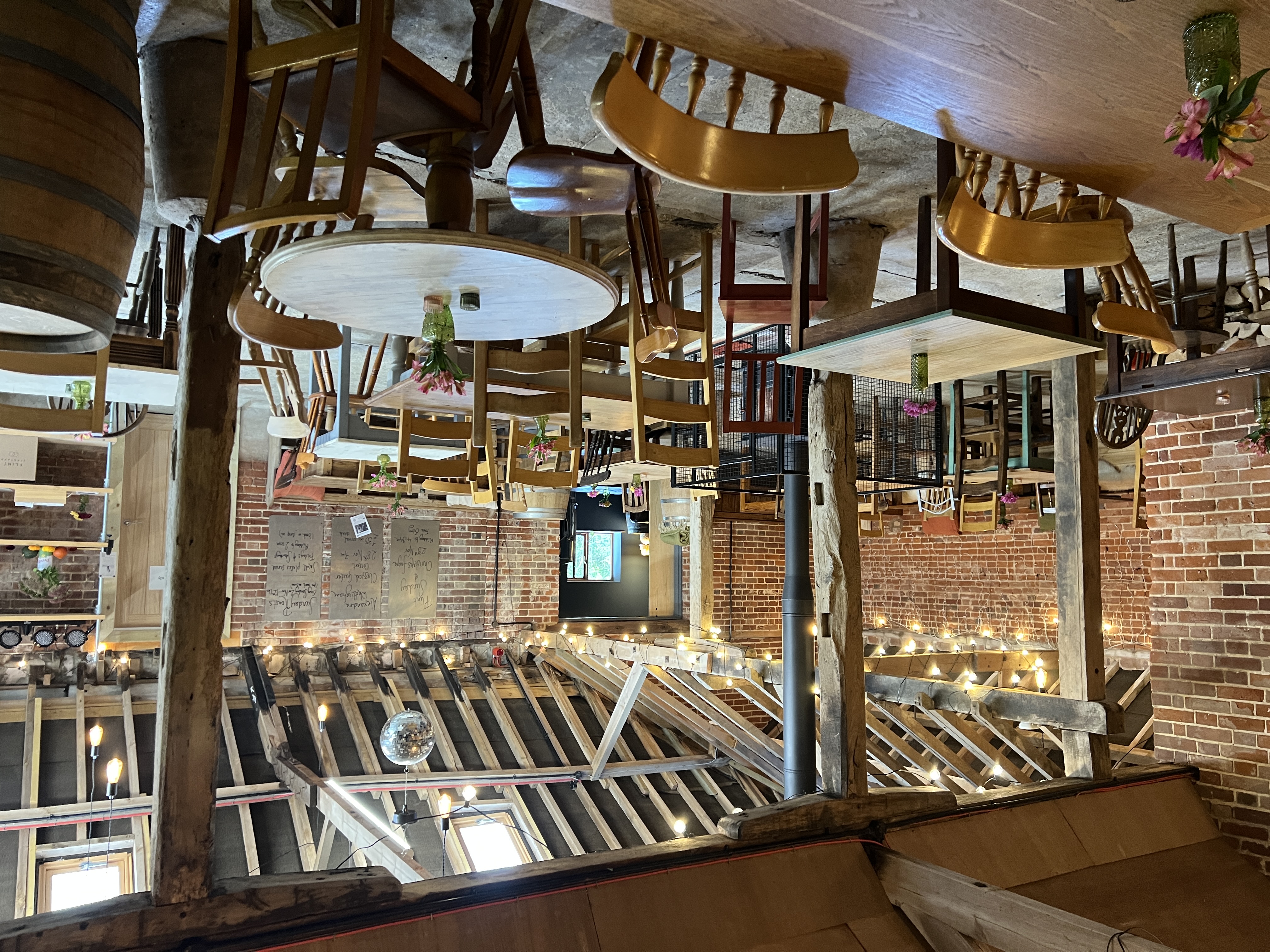
Flint Vineyard in Norfolk is known for producing a range of English still and sparkling wines made with minimal intervention, and many of these are unfined or made without animal-derived fining agents, making them suitable for vegans. Their innovative Charmat sparkling and elegant Bacchus-based still wines are crafted in a way that aligns with vegan production methods.
Winbirri in Norfolk produces acclaimed English wines, including their award-winning Bacchus and vintage reserve sparkling, that are made without animal products and are confirmed vegan, with the winery highlighting this in product information for bottles such as their Bacchus 2024.
Westwell produces a fully vegan range, with all estate wines made without animal-derived fining agents. Their portfolio spans skin-contact whites, pét-nat styles and traditional method sparkling, reflecting a low-intervention approach that aligns naturally with vegan production.
Silverhand Estate’s wines are vegan across the range, with no animal products used during clarification or production. Known for its organic-certified vineyards in Kent, the estate produces both still and sparkling wines that are suitable for vegan drinkers.
Hattingley Valley has wines suitable for vegans, with no animal-derived products used during fining or production. The Hampshire estate is best known for its traditional method sparkling wines, all crafted in line with vegan winemaking standards.
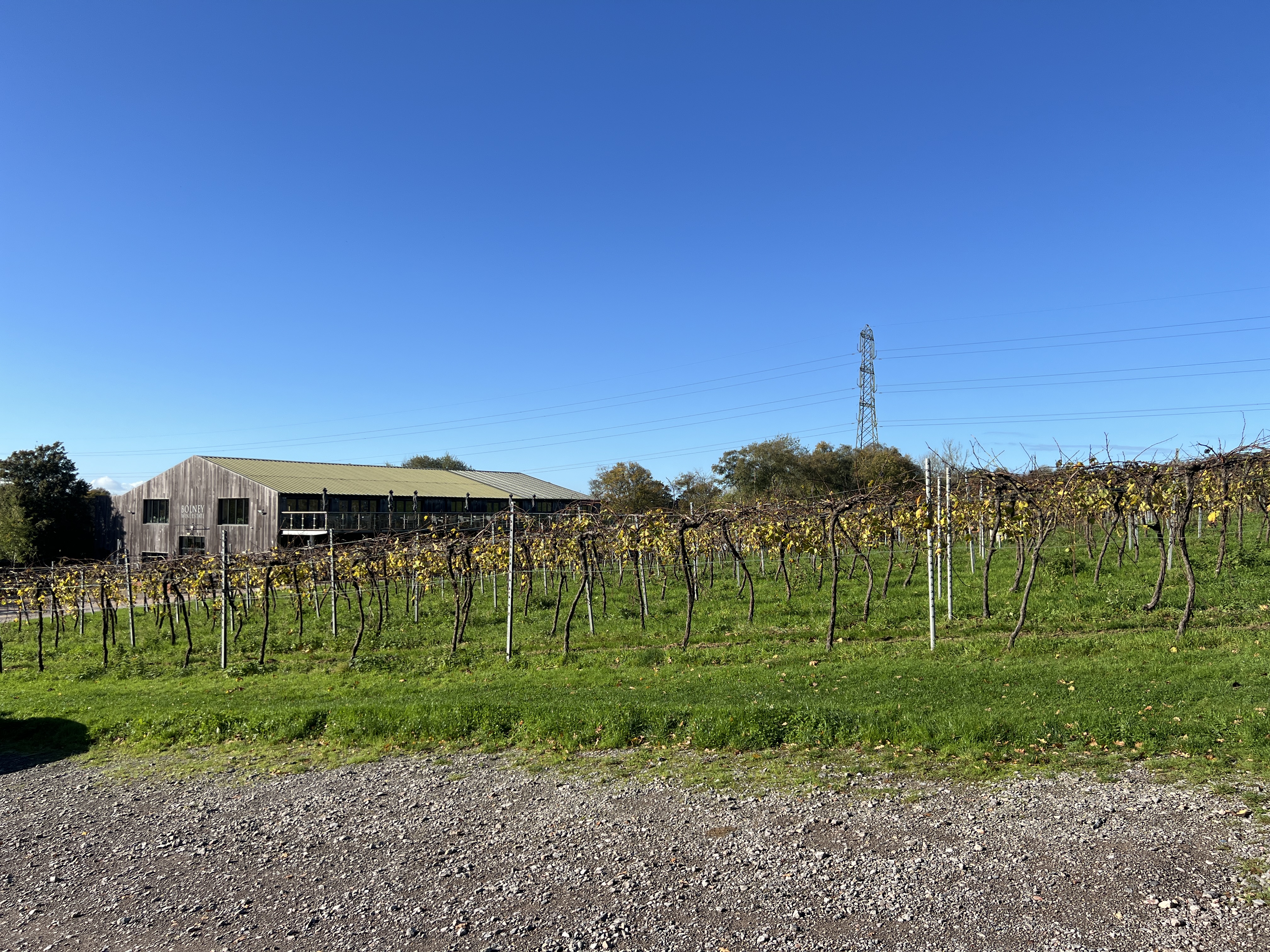
Bolney Wine Estate produces vegan wines across its range, using fining methods that avoid animal-derived agents. From classic English sparkling to still Pinot Noir and Bacchus, the portfolio is suitable for vegan drinkers.
Tillingham’s estate wines are vegan and made without animal-derived fining agents, in keeping with their low-intervention, biodynamic approach. The range includes naturally fermented still wines and sparkling wines produced from estate-grown fruit in East Sussex.
Balfour Winery states that all wines across its range are vegan, with no animal products used at any stage of production. This applies to both its sparkling and still wines, making the entire portfolio suitable for vegan drinkers.
At Beacon Down Vineyard in East Sussex, the winery’s sparkling wines are made vegan-friendly using methods that avoid animal-derived fining agents, offering a plant-based option for fans of English fizz. Their still wines, which use traditional isinglass filtering, are not vegan — but the vegan sparkling range is a clear choice for visitors looking for vegan English wine.
Hanwell Wine Estate produces vegan wines made without animal-derived fining agents, including its sparkling and still expressions. The estate’s small-batch production focuses on clarity and balance while remaining fully plant-based in its winemaking approach.
Oxney Organic Estate produces fully vegan wines alongside its certified organic credentials. Both still and sparkling wines are made without animal-derived fining agents, combining organic farming with vegan-friendly production throughout the range.
FAQ
Does vegan wine taste different?
No. Vegan wine does not taste different simply because it is vegan. Fining affects clarity rather than flavour. Taste is influenced far more by grape variety, region, and winemaking style.
Is vegan wine the same as organic wine?
No. Vegan refers to the absence of animal-derived products during production. Organic refers to how the grapes are grown. A wine can be organic but not vegan, or vegan but not organic.
How can I tell if a wine is vegan in the UK?
You can look for certification such as the Vegan Society logo, check the vineyard’s website or product page, ask staff during a tasting, or contact the vineyard directly. If vegan status is important to you, it’s best to confirm rather than assume.
Do vineyards clearly label vegan wines?
Some vineyards do, particularly those that produce fully vegan ranges. Others may not label them clearly, especially smaller producers. In many cases, tasting staff can confirm which wines are vegan if asked.
Are all wines at vegan friendly vineyards vegan?
Not necessarily. Some vineyards produce entirely vegan ranges, while others offer selected vegan wines only. Always check individual bottles rather than assuming the whole range qualifies.
Is natural wine always vegan?
Not always. While many natural wines are unfined and therefore vegan, this is not guaranteed. "Natural" and "vegan" are separate concepts.
Can I request vegan wines during a vineyard tour or tasting?
Yes. Most tasting hosts are happy to guide you towards vegan options within the range if they are available. If booking in advance, you can mention this when reserving.