
Visiting Hampshire's Best Vineyards
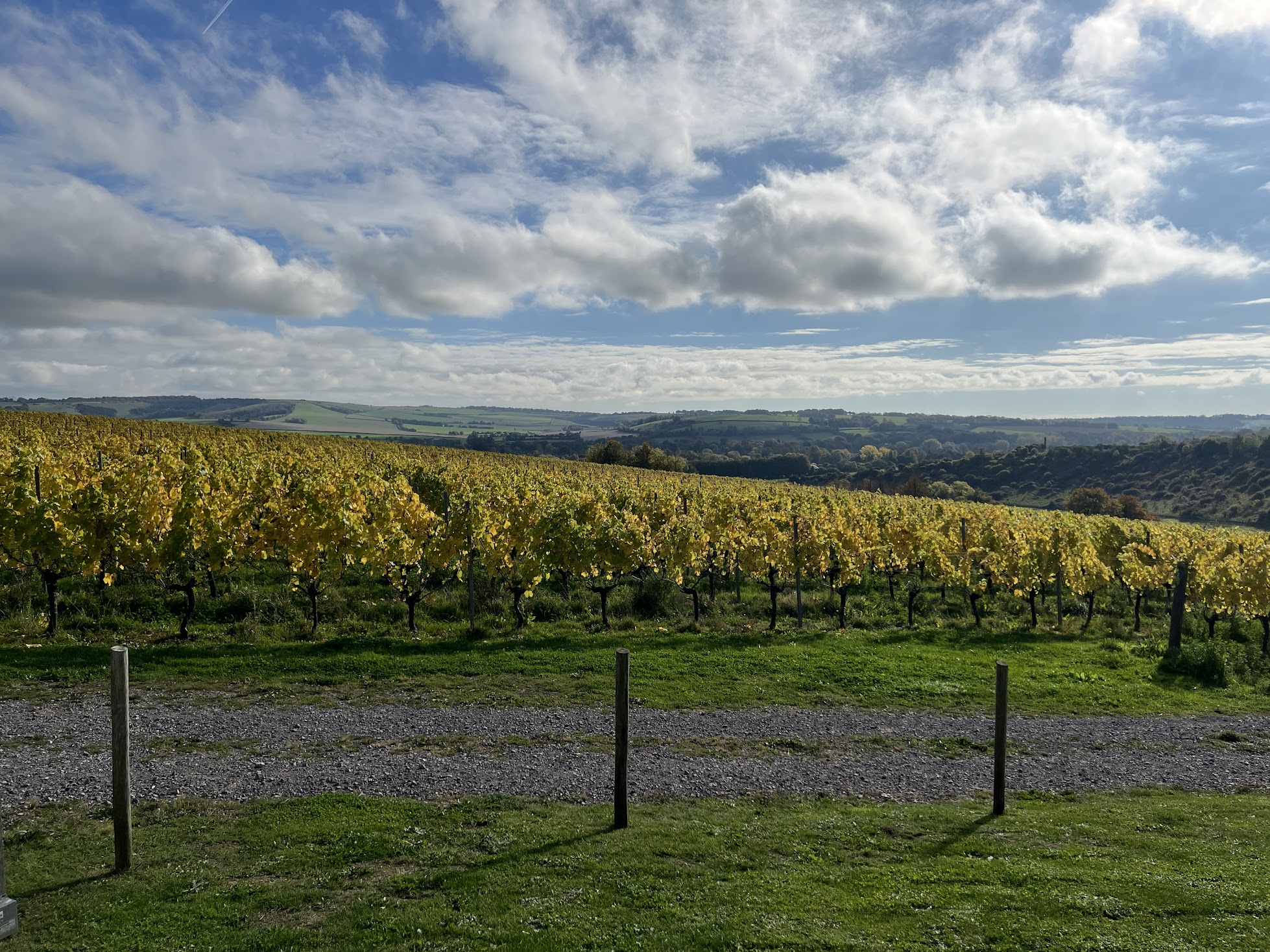
Hampshire is one of the most influential counties in English wine, closely linked to the modern rise of high-quality English sparkling wine and home to several producers that helped define the category. Vineyards here range from long-established estates to smaller, newer operations, with a strong emphasis on chalk soils, traditional-method sparkling wines, and increasingly confident still wines.
Overview Return to contents
The county sits immediately west of Sussex and within straightforward reach of London, making it well suited to both day trips and short breaks. Vineyards are spread across the South Downs chalk and surrounding countryside, often set among working farmland and quiet villages rather than purpose-built visitor hubs. Winchester, Petersfield, Stockbridge and the New Forest fringe all work as practical bases, depending on which part of the county you’re exploring.
Why Visit Hampshire Vineyards? Return to contents
Chalk soils and sparkling wine leadership: Large parts of Hampshire sit on chalk, which has strongly influenced vineyard planting and wine style. Estates such as Hambledon Wine Estate, Exton Park Vineyard, Hattingley Valley Wines, Raimes English Sparkling and The Grange are closely associated with traditional-method sparkling wines made from Chardonnay, Pinot Noir and Pinot Meunier. Tastings at these vineyards often explore vintage differences, ageing time on lees and blending choices rather than offering simple introductory flights.
A county that helped shape modern English wine: Hambledon Wine Estate is widely regarded as a key site in the rebirth of English commercial winemaking, while Hattingley Valley Wines has become one of the most significant sparkling wine producers in the country, both through its own wines and through contract winemaking for vineyards across southern England. This combination of historic importance and contemporary scale gives Hampshire a distinct weight within the English wine scene.
Range of visit styles: Alongside larger estates, Hampshire also has smaller vineyards offering quieter, more personal tastings. Places such as Penn Croft Winery, Pinglestone Estate and The Wharie Experience tend to focus on small-batch production and direct engagement, often pouring wines in informal settings rather than dedicated tasting rooms. This contrast makes Hampshire well suited to mixed itineraries.
The Experience Return to contents
At established estates, tastings are usually structured and comparative, particularly for sparkling wines, with a clear emphasis on site, vintage and production choices. At smaller vineyards, tastings are often flexible and conversational, sometimes led by the people who planted the vines or make the wine. Compared with some neighbouring regions, visits here can feel less choreographed, especially midweek, with more time to talk through individual wines.
Vineyards in Hampshire Return to contents
Vineyards to visit in Hampshire


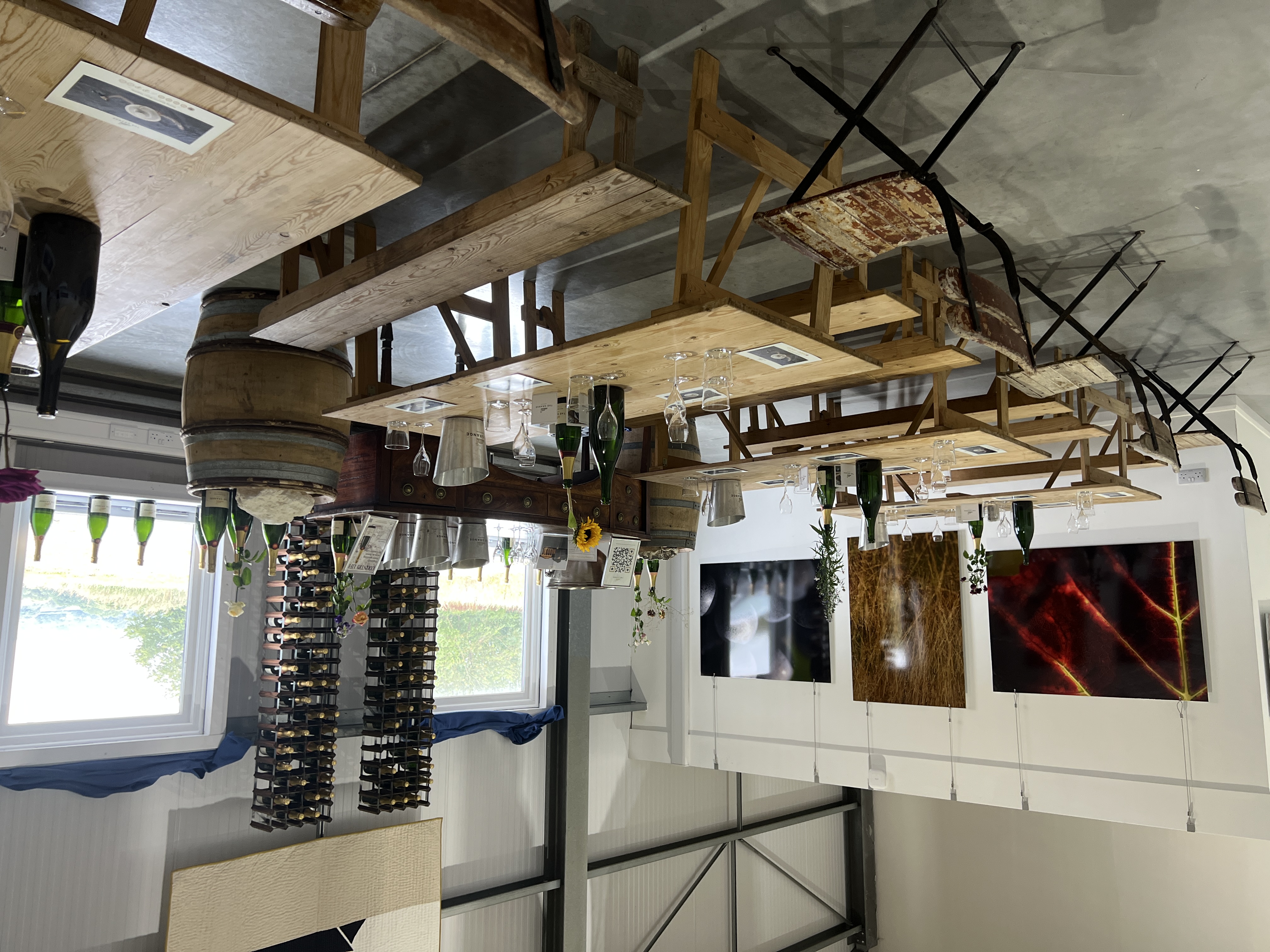

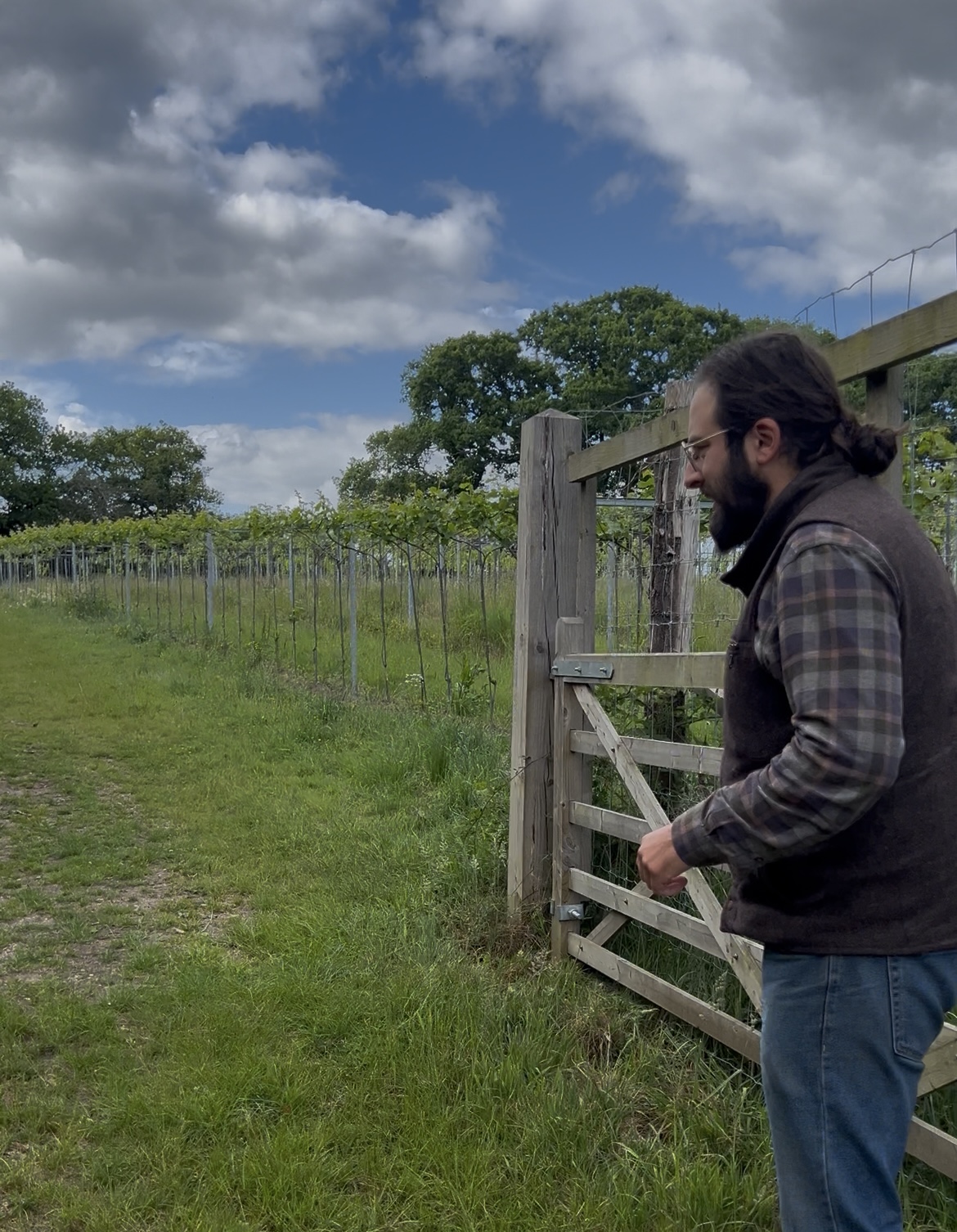
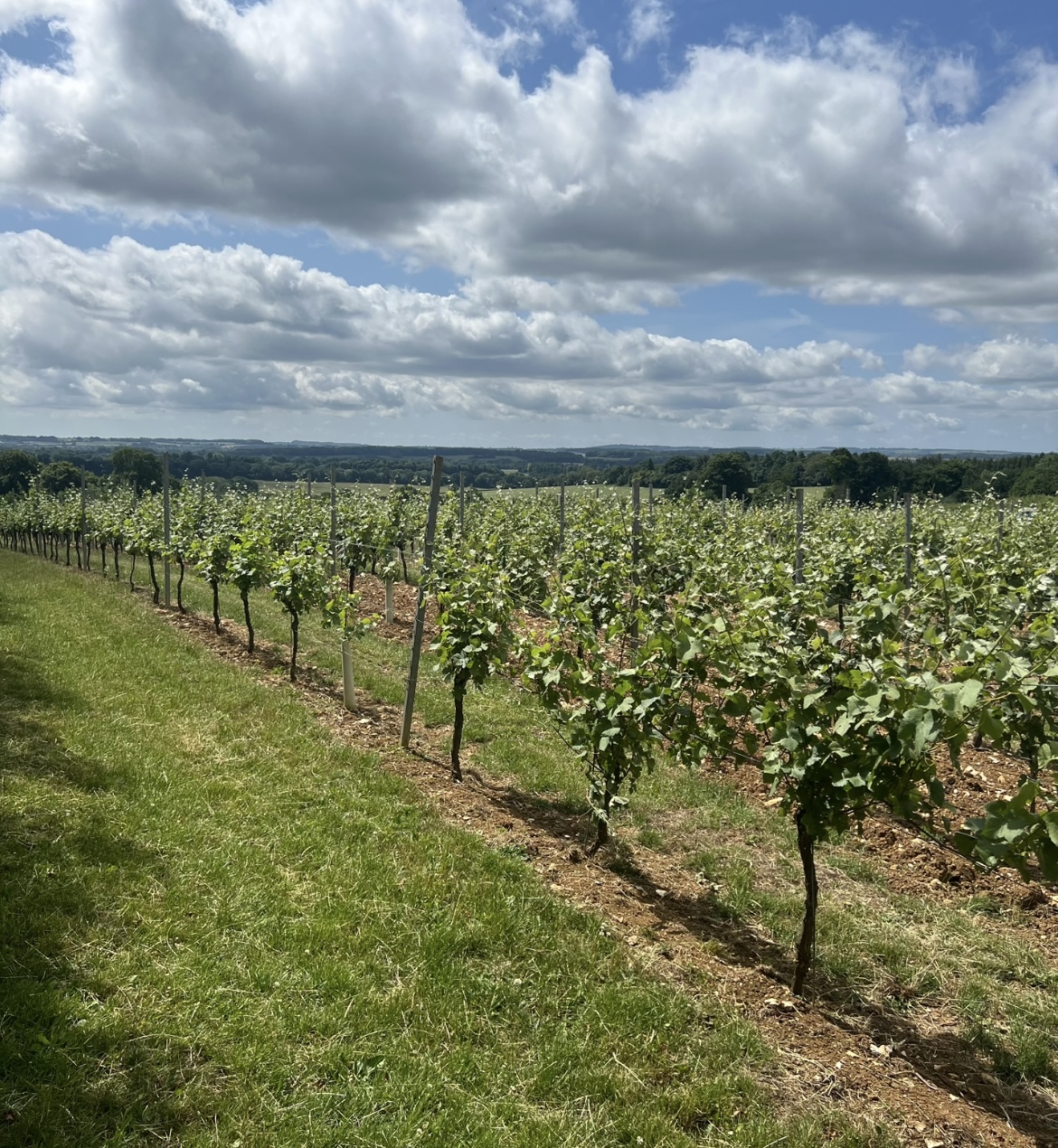


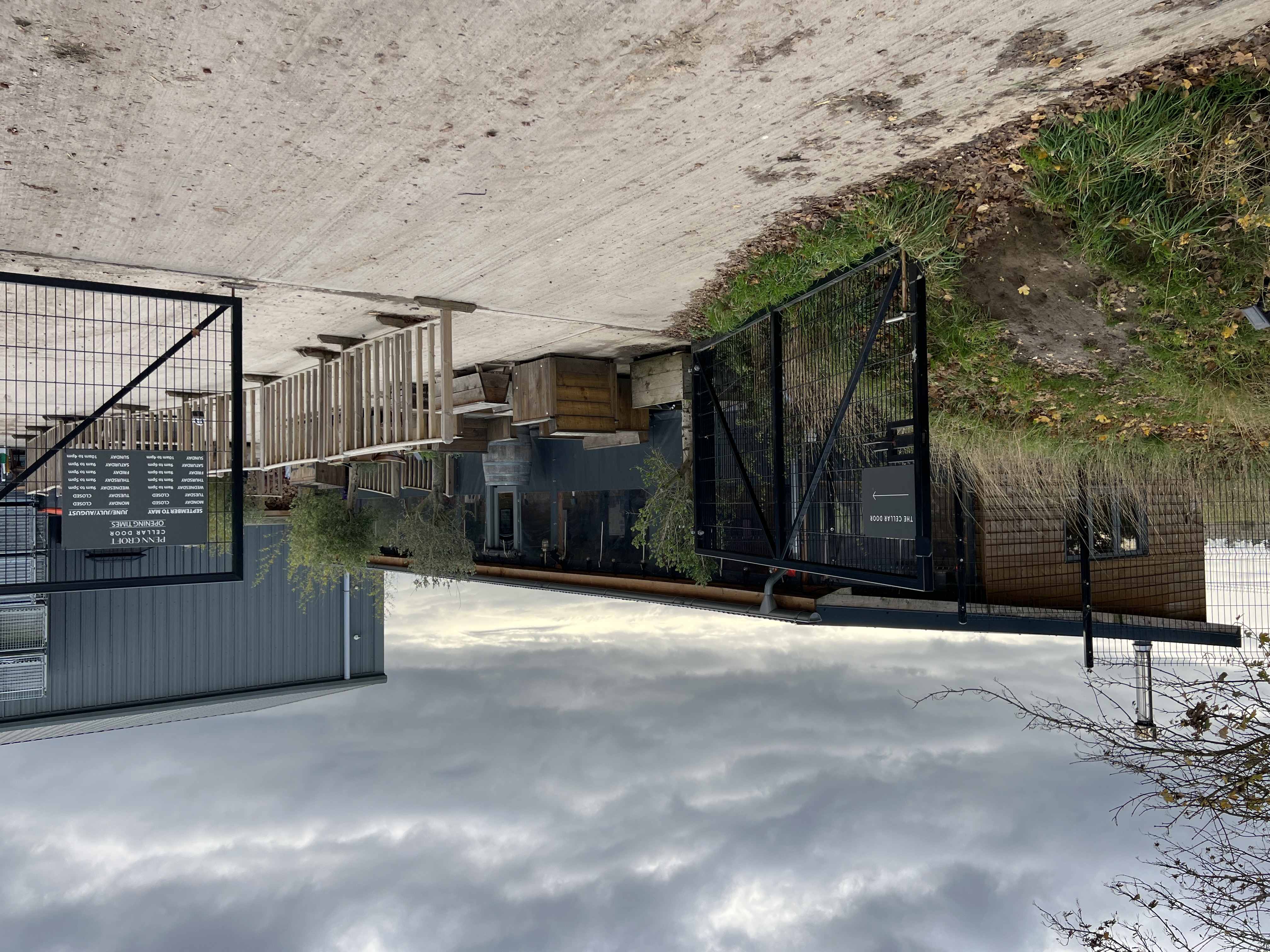

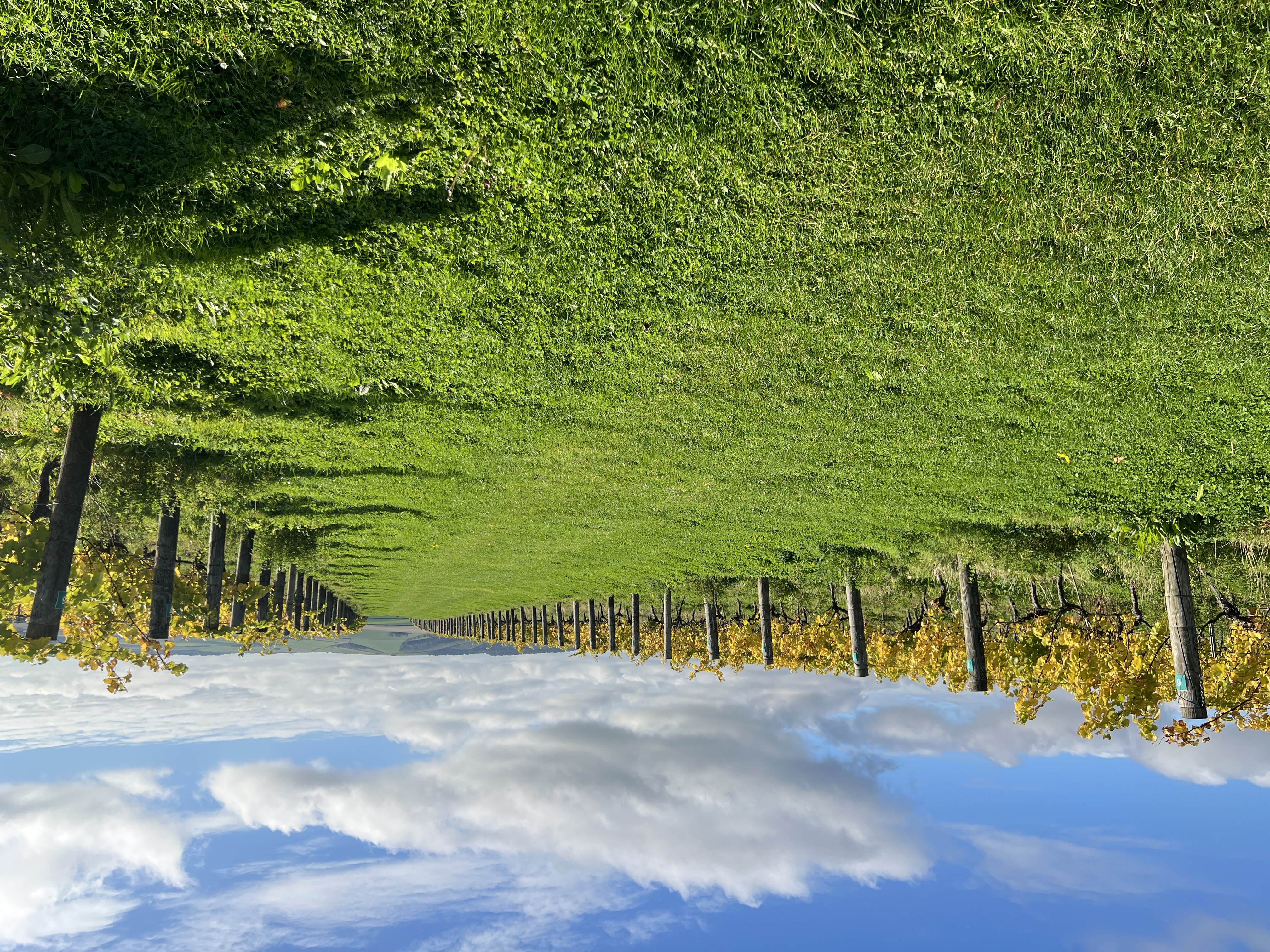

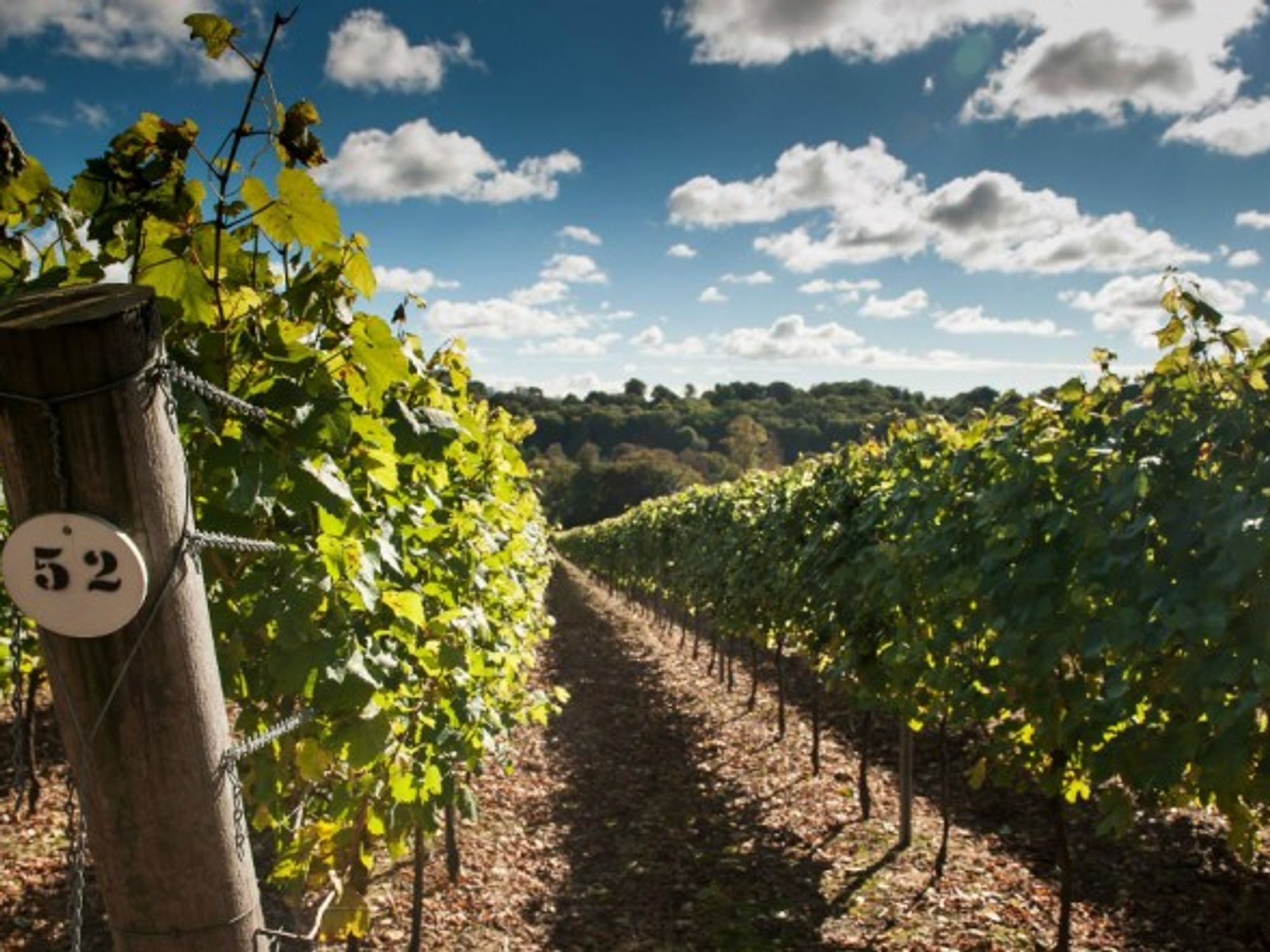

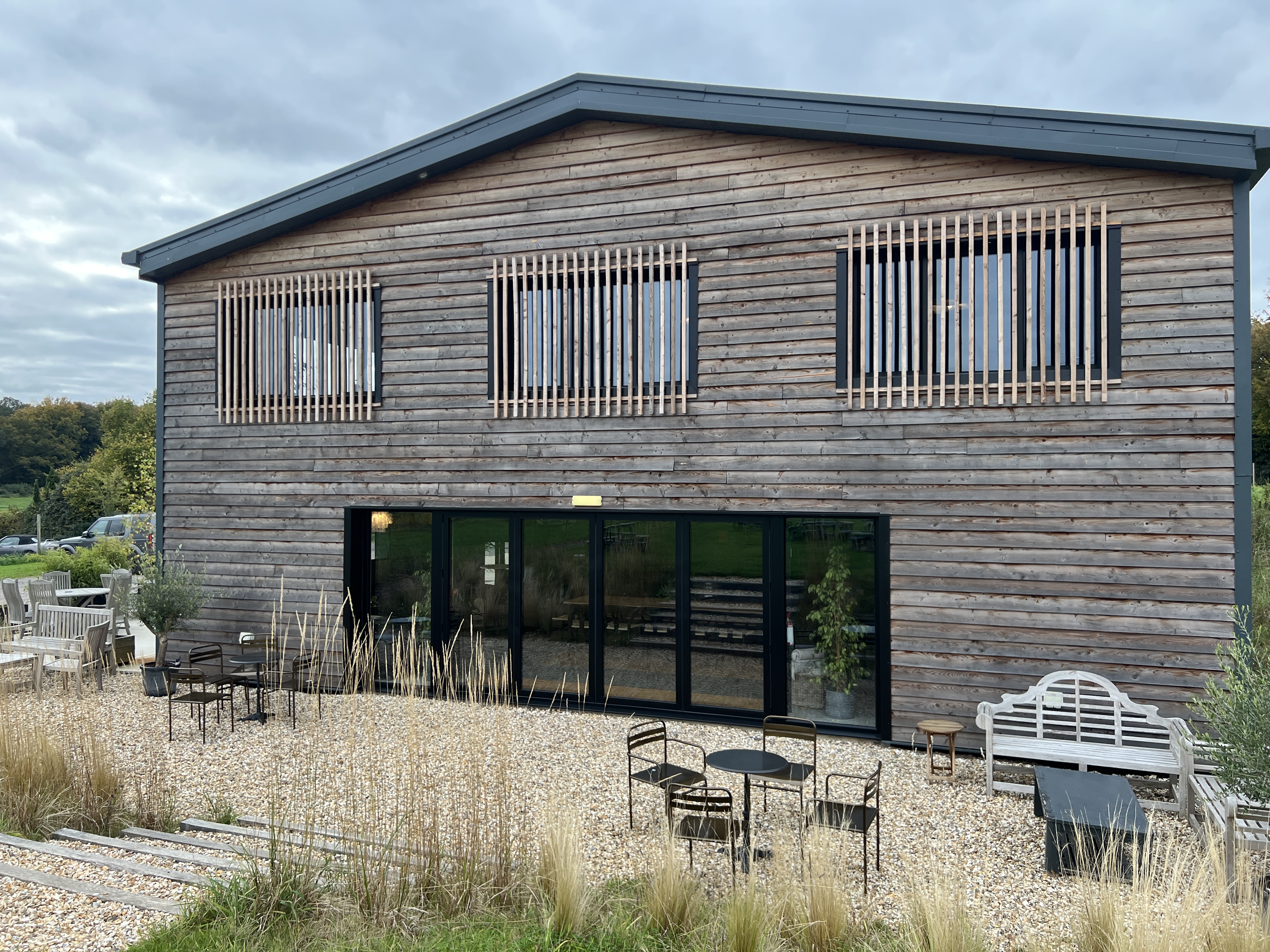
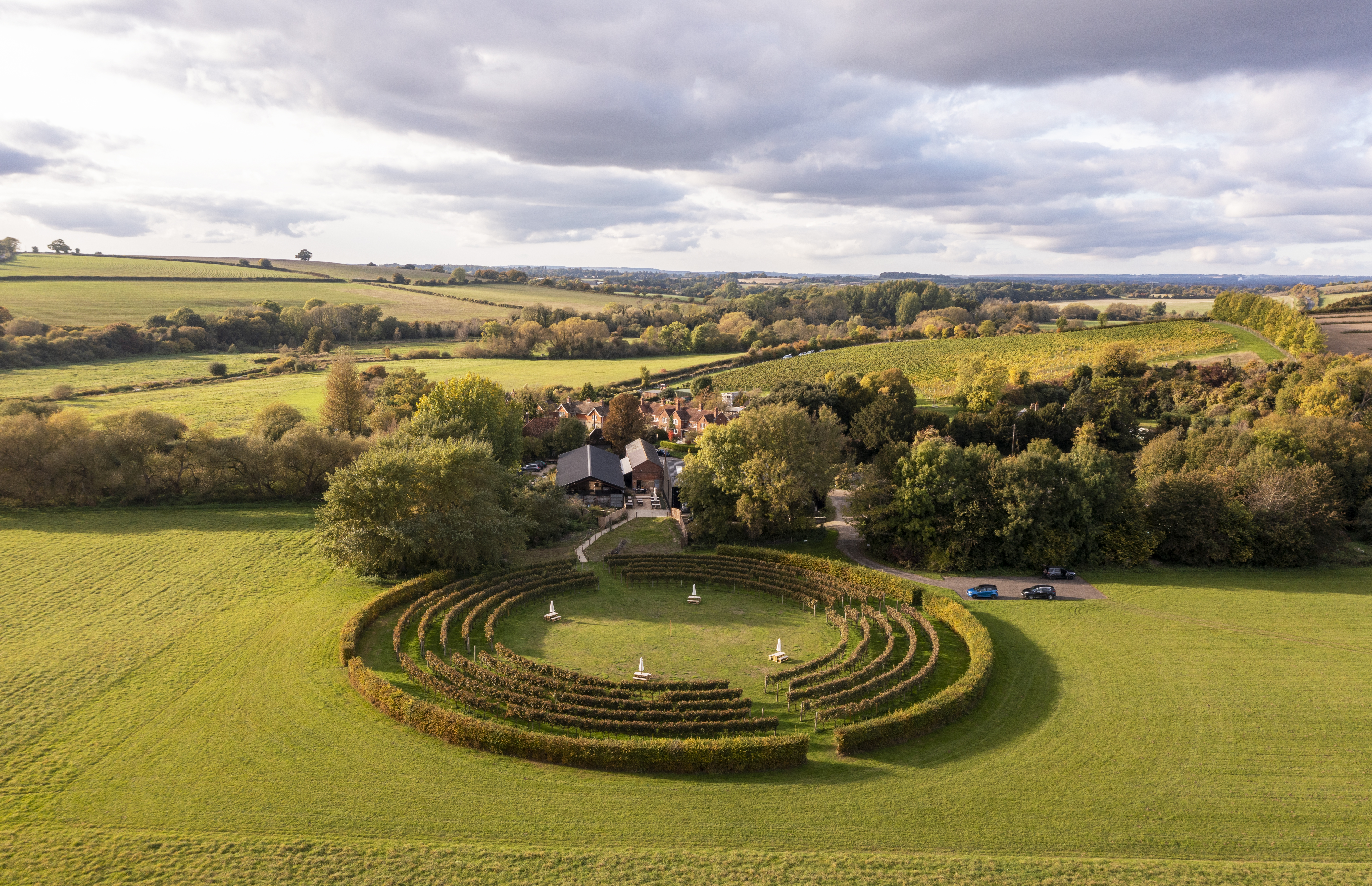
Hambledon Wine Estate
Hampshire’s best-known vineyard and one of the most historically significant in England, producing traditional-method sparkling wines alongside still Chardonnay and Pinot Noir.
Hattingley Valley Wines
A major force in English sparkling wine, producing its own wines and acting as a winemaking hub for vineyards across southern England.
Exton Park Vineyard
Focused heavily on vintage-led sparkling wines, often emphasising extended lees ageing and site expression.
Black Chalk Wine
Known for both sparkling and still wines, including still Chardonnay and Pinot Noir, and for helping broaden perceptions of what Hampshire wines can be.
Raimes English Sparkling
A family-run estate focused on single-vineyard traditional-method sparkling wines.
The Grange
Produces traditional-method sparkling wines alongside limited still bottlings.
Penn Croft Winery, Pinglestone Estate and The Wharie Experience add further diversity, typically producing wines in smaller volumes and offering tastings that feel closer to the vineyard and winery rather than a polished visitor centre.
What can you expect from wine tasting in Hampshire?
Tastings differ between vineyards and tasting flights can change, but in Hampshire you’re most likely to encounter traditional-method sparkling wines based on Chardonnay, Pinot Noir and Pinot Meunier, alongside still Chardonnay, Pinot Noir and Bacchus, often presented with an emphasis on vintage character and structure.
Planning Your Visit Return to contents
How many vineyards in a day? Two vineyards is realistic if including tastings, or one if combining a longer tour with food. Vineyards are spread out and public transport between them is limited, so driving or taxis are usually necessary.
Booking: Advance booking is strongly recommended, particularly at larger estates and at weekends. Smaller vineyards may operate limited opening days or seasonal hours.
Best times to visit: Spring and early summer offer quieter visits and visible vineyard activity. Summer brings longer opening hours and outdoor tastings. Autumn coincides with harvest, when visits may be more restricted but can offer insight into winemaking.
Where to Stay Return to contents
Towns and villages in Hampshire
Alresford
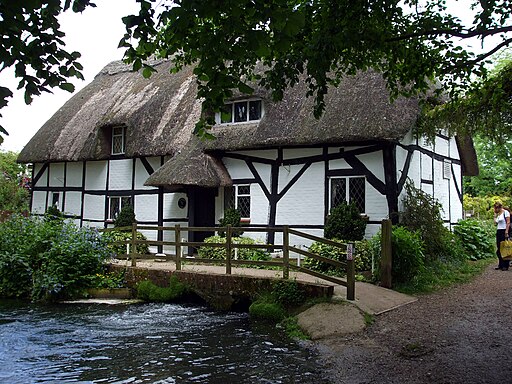
Vibes: Market Town, Riverside, Steam Railway
Winchester:
A practical central base with a wide range of accommodation and dining options, plus direct rail connections from London.
Petersfield:
Well suited for visits focused on the eastern side of the county and the South Downs, with direct trains to London Waterloo.
Stockbridge & the Test Valley:
A good choice for countryside-focused trips combining walking with vineyard visits.
The New Forest (Brockenhurst, Lyndhurst, Lymington):
While there is no concentration of vineyards within the national park itself, the New Forest works well as a base for visiting southern Hampshire vineyards while also offering forest walks, coastal paths and traditional inns.
Getting There & Around Return to contents
By Train from London: London Waterloo to Winchester or Petersfield takes around 1–1.5 hours. From stations, taxis or car hire are usually required to reach vineyards.
By Car from London: Around 1.5–2 hours depending on destination. A car is the most practical way to visit multiple vineyards.
Beyond the Vineyards Return to contents
Hampshire pairs naturally with wider countryside and heritage visits. The South Downs National Park offers extensive walking routes, while the New Forest provides open heathland, woodland and coastline. Winchester’s historic centre, cathedral and independent food scene make it a strong complement to vineyard visits, particularly for weekend trips.
More South East Counties to explore
East Sussex
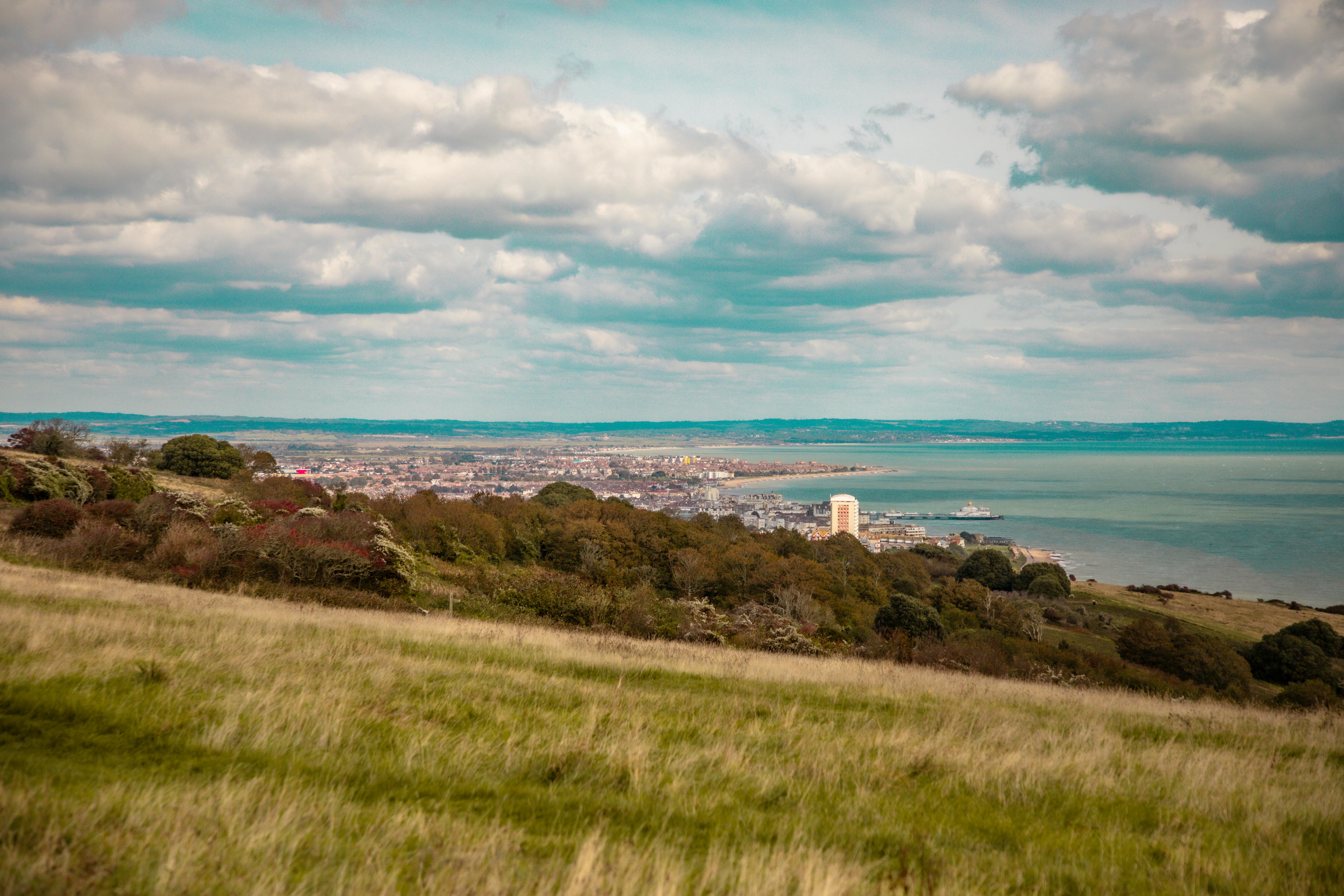
Vibes: Downland, Coastal, Art And Culture
Essex
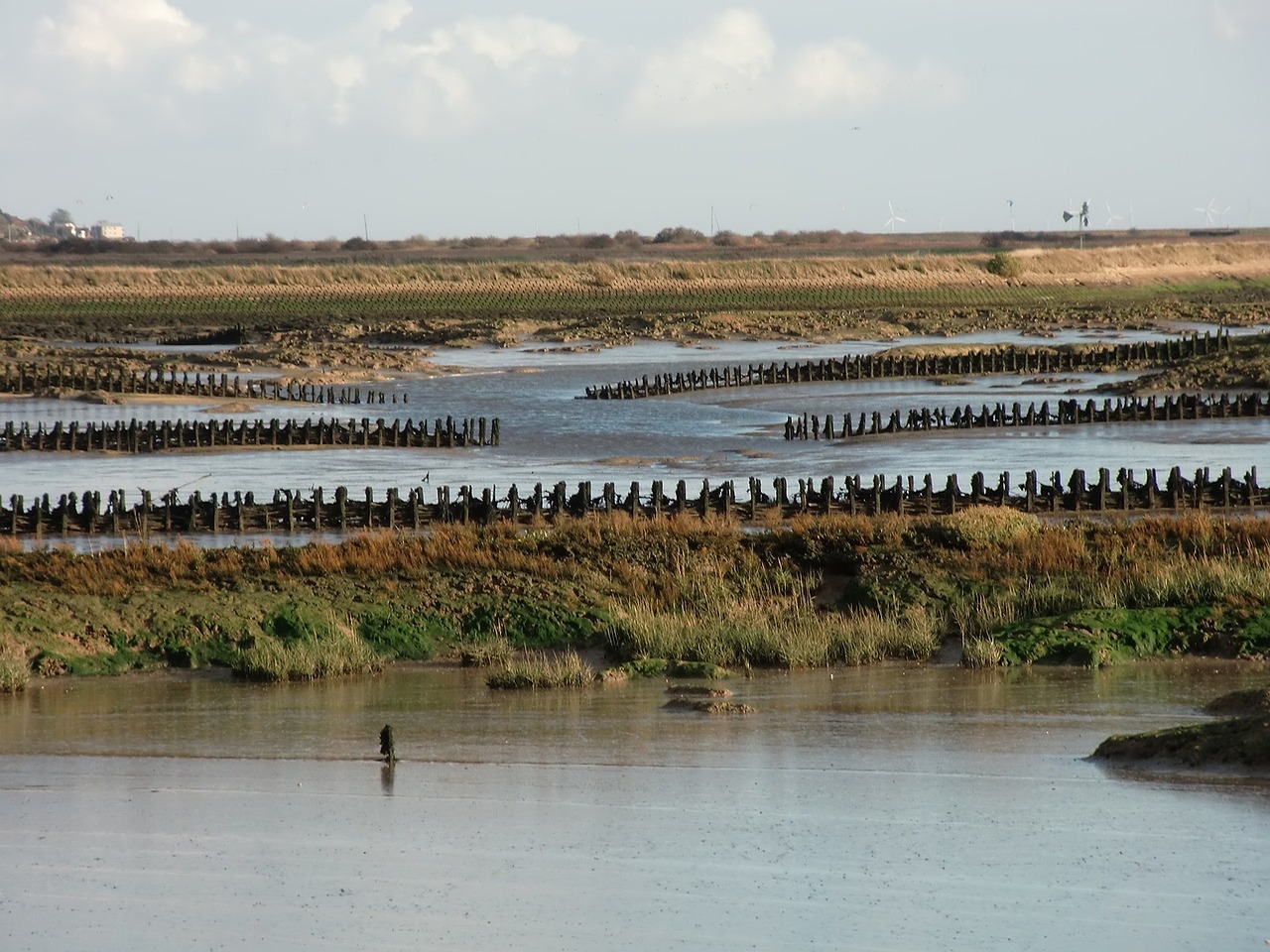
Vibes: Estuaries, Countryside, Sunshine Coast
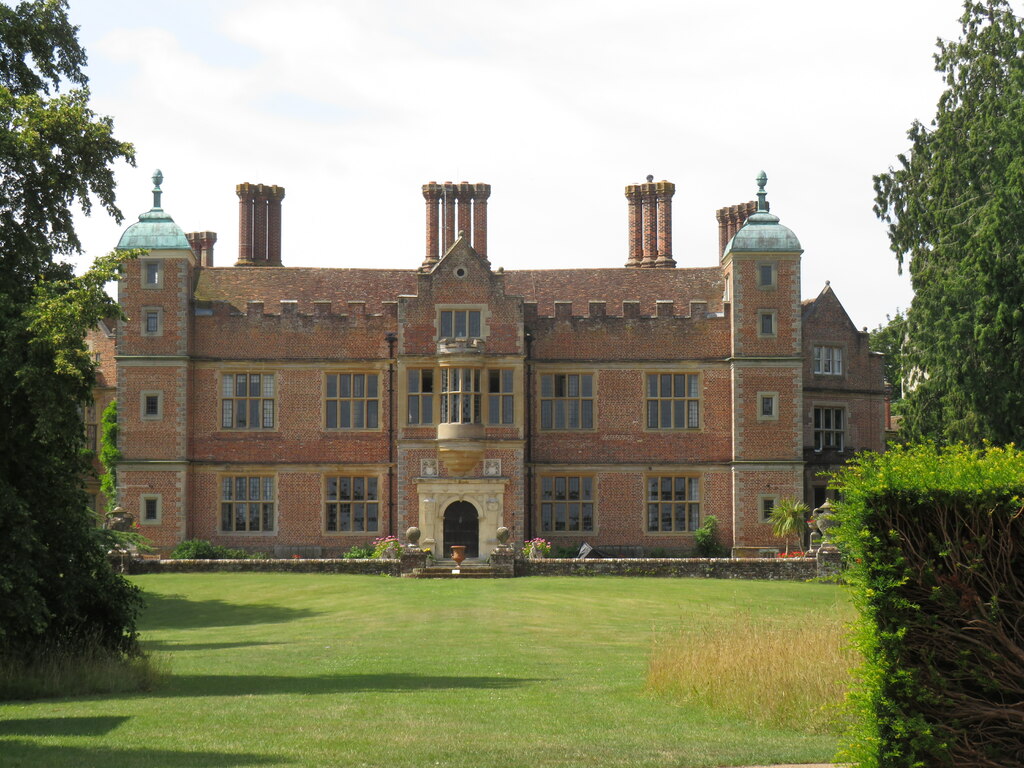
Oxfordshire
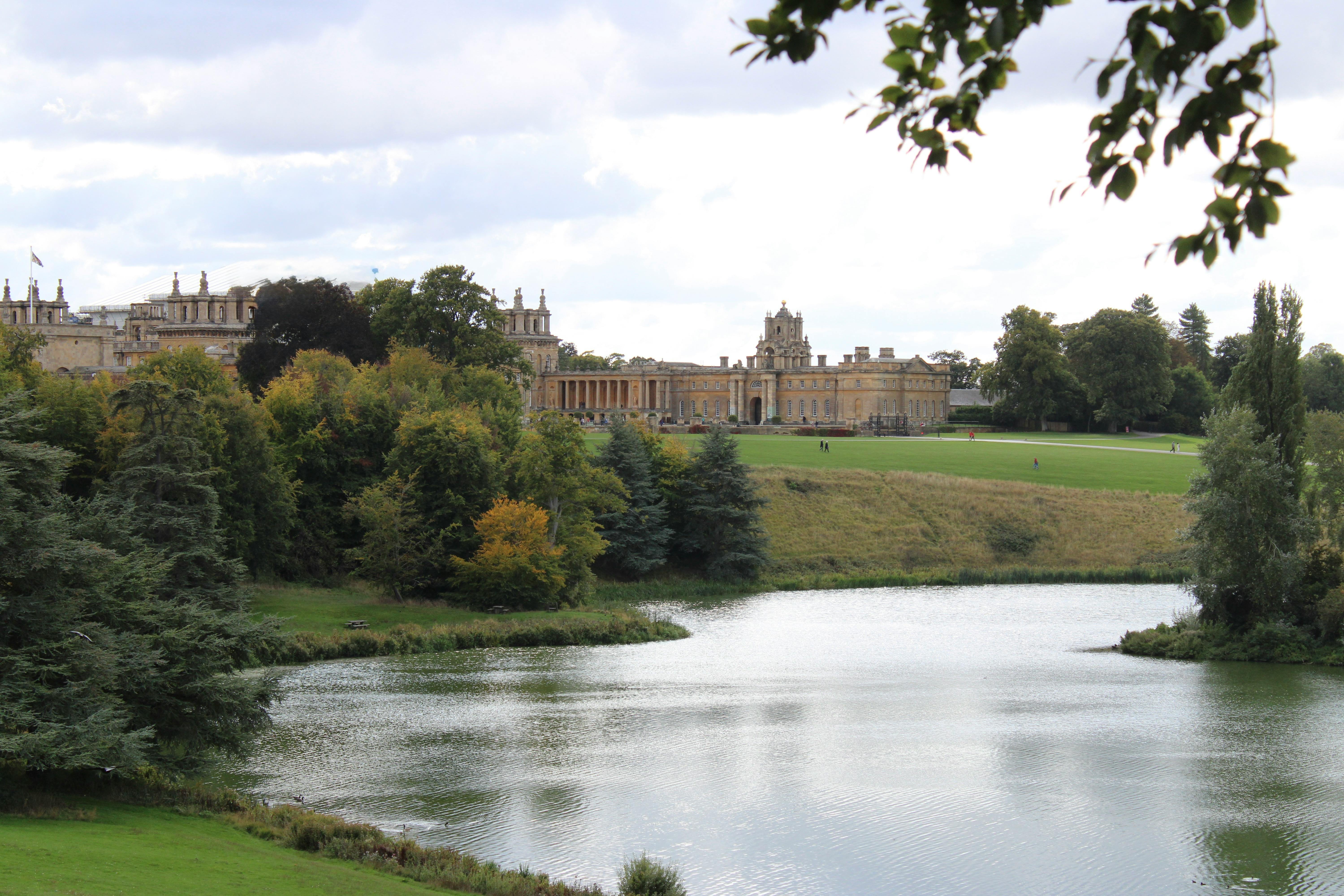
Vibes: Chilterns, Riverside, Market Towns
Surrey
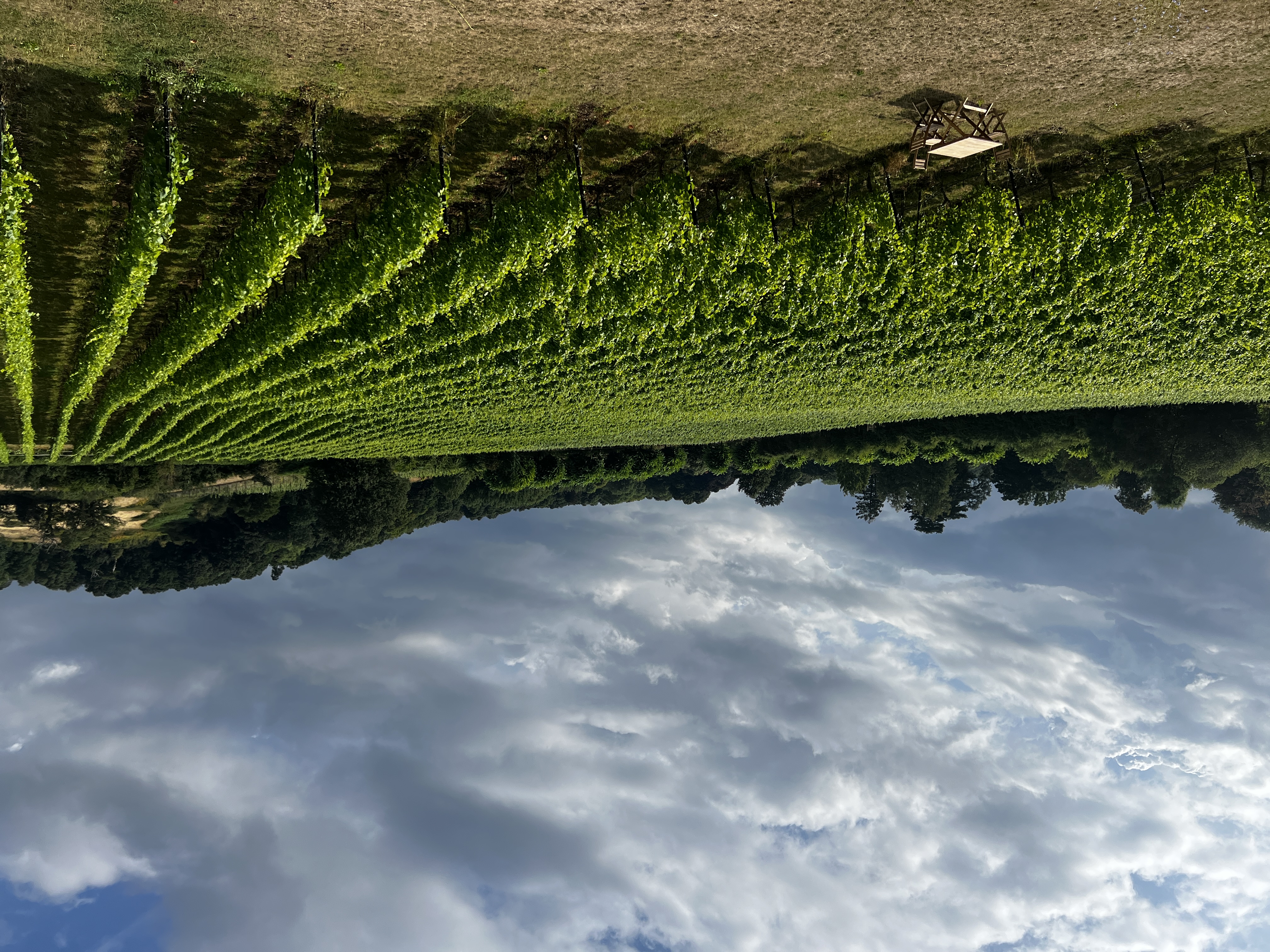
Vibes: Surrey Hills, North Downs, Accessible
West Sussex
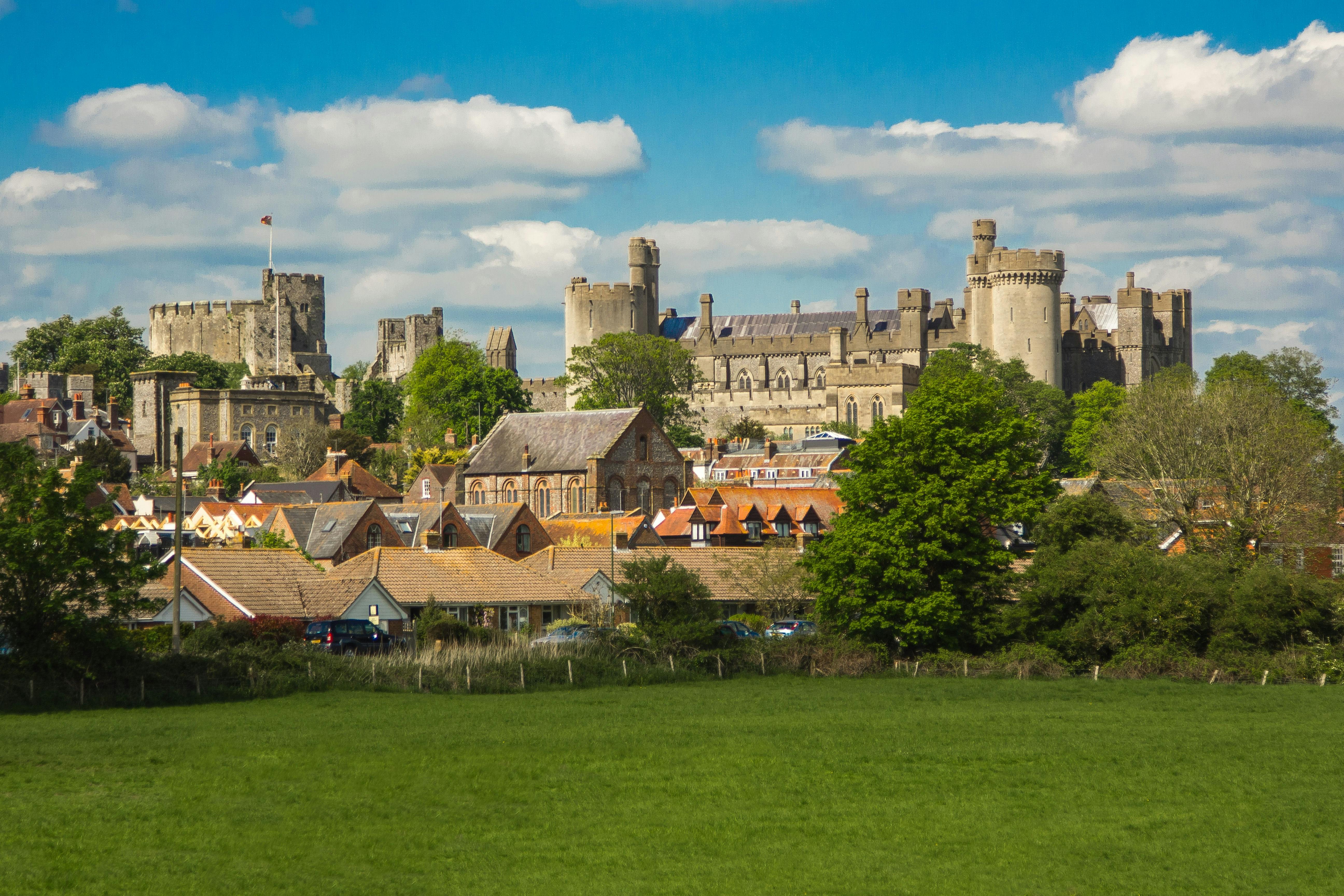
Vibes: South Downs, Country Estates, Visitor Friendly