
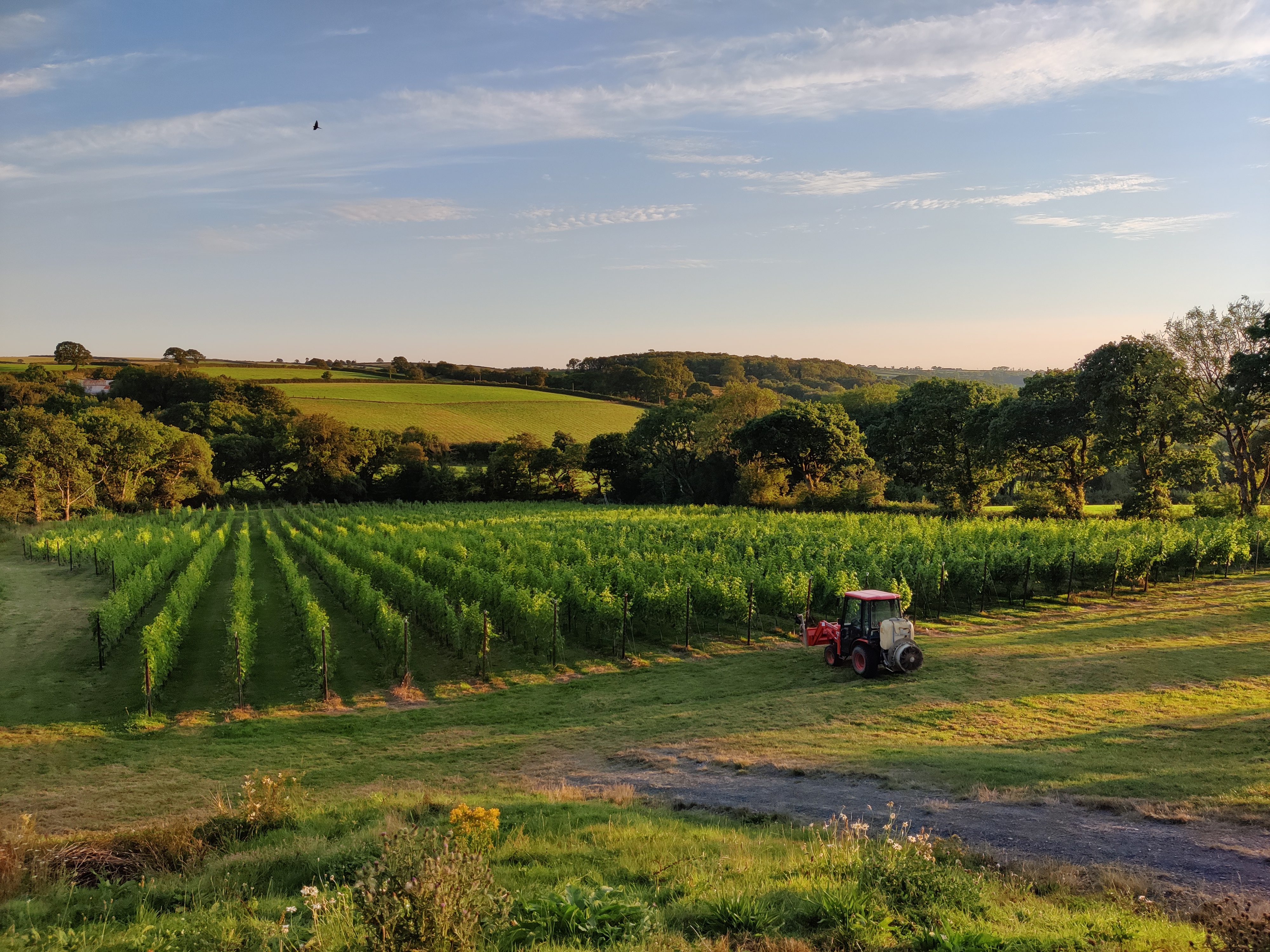
Visiting the Best Vineyards of Wales
Wales offers one of the most distinctive vineyard experiences in the UK, with small, characterful estates set between coast, mountains, and rolling countryside. Vineyard visits here pair naturally with a wider Welsh weekend of scenery, walking, and food.
From tasting flights with views towards Snowdonia at Pant Du, to vineyard lunches and overnight stays at Llanerch Vineyard Hotel, Welsh wine tourism is best approached as a series of regional discoveries rather than a single “wine trail”.
Overview Return to contents
Wales is relatively small, but its vineyards are widely spaced, so it’s best thought of as several distinct clusters: North Wales producers sit among castles, mountains, and coastal scenery, Pembrokeshire vineyards pair naturally with the coast, while Monmouthshire and the Wye Valley form the strongest concentration of vineyards for multi-stop weekends.
Why Visit Wales Vineyards? Return to contents
Wine with a Sense of Place: Welsh vineyards are often defined as much by their landscapes as their wines. You’ll find tastings shaped by coastline, hills, and mountain backdrops rather than formal “wine country” polish. Estates like Red Wharf Bay Vineyard and Gwinllan Conwy offer something uniquely Welsh: wine tourism that feels tied to the land around it.
An Emerging, Independent Scene: Many Welsh vineyards are still small and owner-led, with visits that feel informal, welcoming, and closely connected to the people making the wines. Producers such as Whinyard Rocks and Montgomery Vineyard reflect a growing confidence in Welsh wine, often combining local ambition with a warm welcome.
A Cool-Climate Challenge: Wales can be a demanding place to grow vines - cooler temperatures and higher rainfall mean site choice is crucial, and disease pressure can be higher than in drier parts of southern England. But sheltered, south-facing slopes and coastal influences are proving increasingly successful, producing bright aromatic whites and sparkling wines with natural freshness.
Perfect for Weekend Travel: Wales is ideal for pairing vineyard visits with broader breaks - coastal walking in Pembrokeshire, food-focused weekends near Cardiff, or countryside stays in the Wye Valley. Several vineyards also host events, weddings, or accommodation, making them destinations rather than quick tastings.
Vineyards in Wales Return to contents
Vineyards to visit in



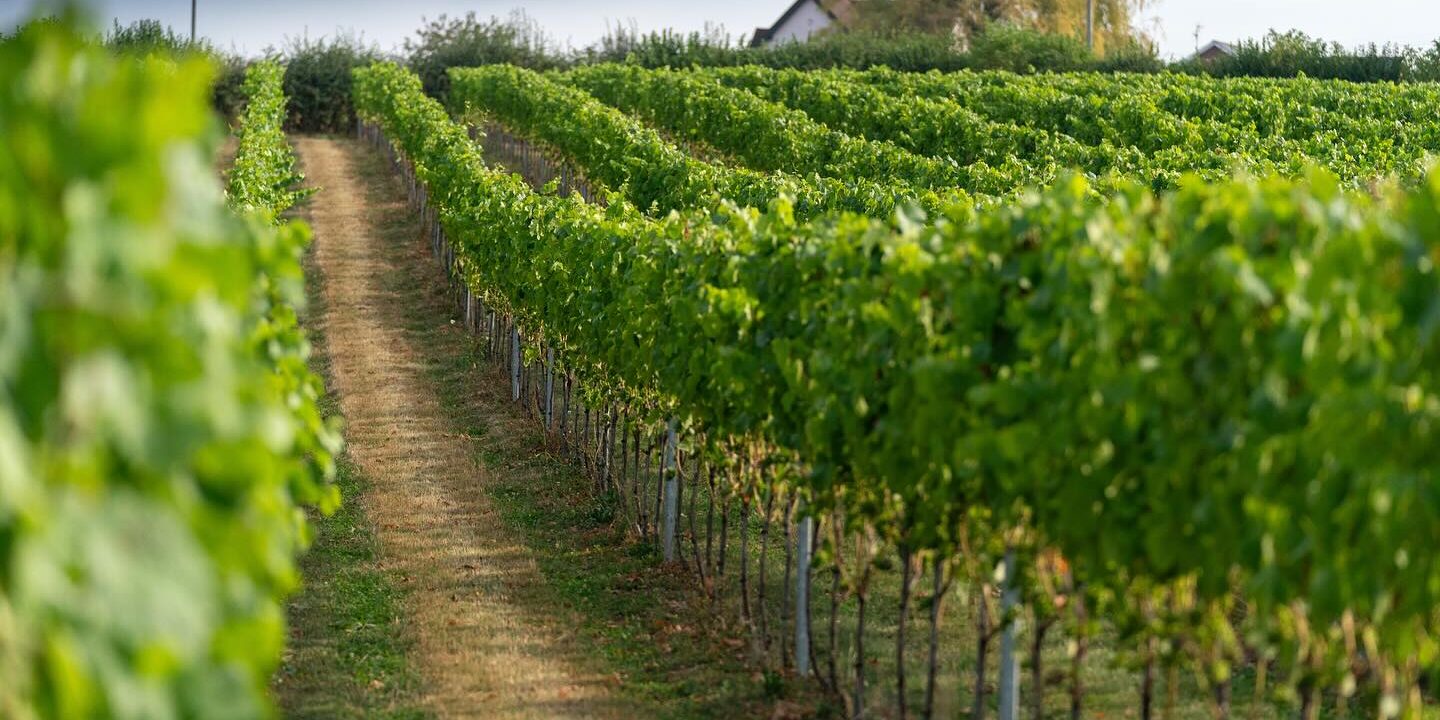


Llanerch Vineyard Hotel (Vale of Glamorgan)
Wales’ best-known vineyard destination, combining a vineyard hotel, restaurant dining, and structured tasting experiences. An ideal base for visitors looking for a complete wine weekend in South Wales, just outside Cardiff.
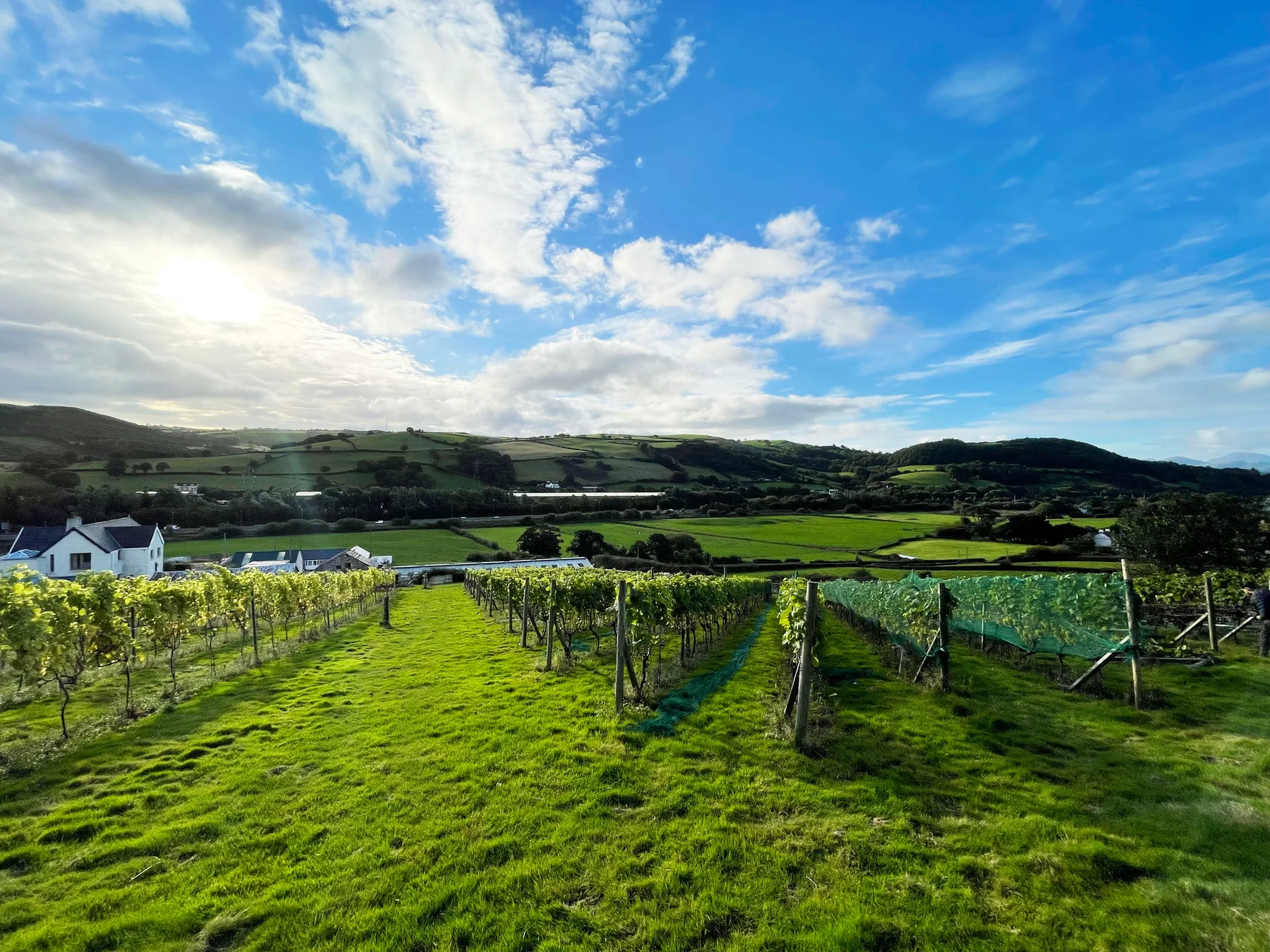
Pant Du (Gwynedd)
One of the most scenic vineyard settings in Wales, with tastings and visits framed by dramatic North Wales landscapes and views towards Snowdonia. A standout stop for anyone combining wine tourism with mountain and coastal travel.
Velfrey Vineyard (Pembrokeshire)
A leading West Wales vineyard, producing award-winning wines in rural Pembrokeshire. A natural anchor for trips that combine vineyard visits with the Pembrokeshire coast and countryside.
White Castle Vineyard (Monmouthshire)
A key name in the Wye Valley and Welsh Borders cluster, well placed for visitors exploring the most vineyard-dense part of Wales. Monmouthshire is the easiest area for multi-stop wine weekends.
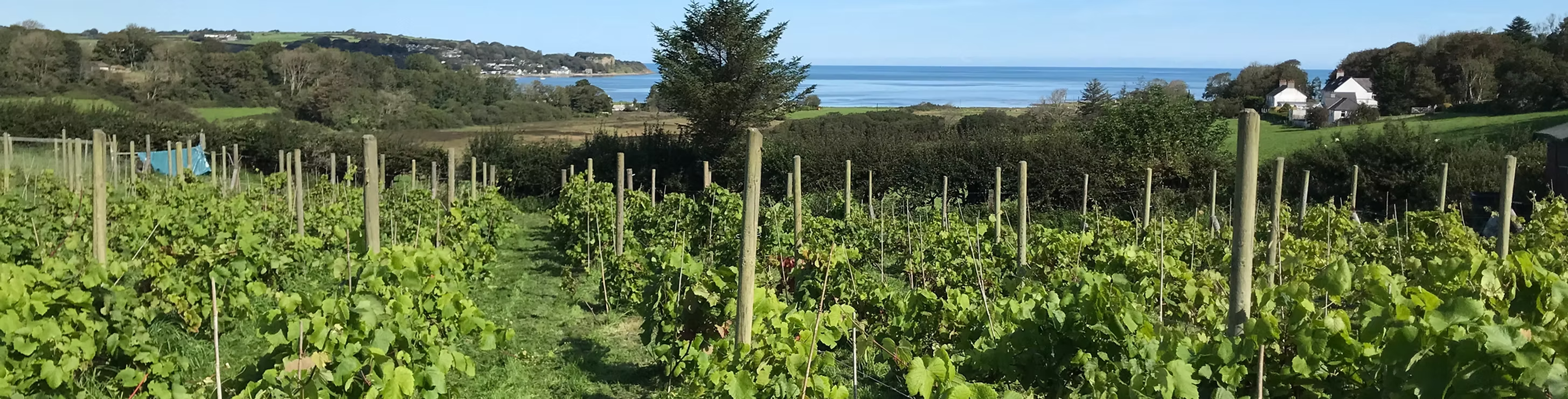
Red Wharf Bay Vineyard (Gwynedd)
A rare coastal-influenced vineyard experience in North Wales, offering a very different style of Welsh wine touring - ideal for pairing with Anglesey beaches and walking routes.
Cwm Deri Vineyard (Pembrokeshire)
A long-running producer in West Wales with a broad range of wines and fruit-based drinks, often visited as part of wider Pembrokeshire holidays.
Other Welsh producers include: St Hilary Vineyard, The Sugar Loaf Vineyards, Parva Farm Vineyard, Jabajak Vineyard, Gwinllan Hebron Vineyard, Murmur y Môr, and a growing number of small estates shaping Welsh wine’s next chapter.
What can you expect from wine tasting in Wales?
Welsh vineyards are still defining their signature styles, but many focus on sparkling wines and aromatic whites suited to cool climates. You may come across varieties such as Solaris, Seyval Blanc, and Pinot Noir in both still and traditional-method sparkling expressions.
Planning Your Visit Return to contents
Wales is best explored in clusters: Welsh vineyards are spread across distinct regions, so trips work best when planned around one area rather than attempting to cover the whole country.
- South Wales (Vale of Glamorgan): The most accessible area from Cardiff, including Llanerch and St Hilary
- Monmouthshire & Wye Valley: Wales’ strongest vineyard cluster, including White Castle, Sugar Loaf, and Parva Farm
- West Wales (Pembrokeshire): Scenic countryside vineyards like Velfrey and Cwm Deri
- North Wales & Anglesey: Smaller producers such as Pant Du and Gwynfyd Môn, best paired with Snowdonia or coastal breaks