Visiting Devon's Best Vineyards
Devon's wine story runs along the River Dart and beyond, combining four decades of winemaking heritage with modern innovation. Sandridge Barton, the new home of Sharpham Wine, continues the legacy that began in 1981 with a state-of-the-art winery and restaurant in the Dart Valley. Lyme Bay Winery brings commercial scale to Devon's wine scene, sourcing grapes from across southern England to produce award-winning wines alongside mead and spirits. Pebblebed Vineyards near Exeter adds a community-focused dimension, with 22 acres producing wines that have earned national recognition.
Overview Return to contents
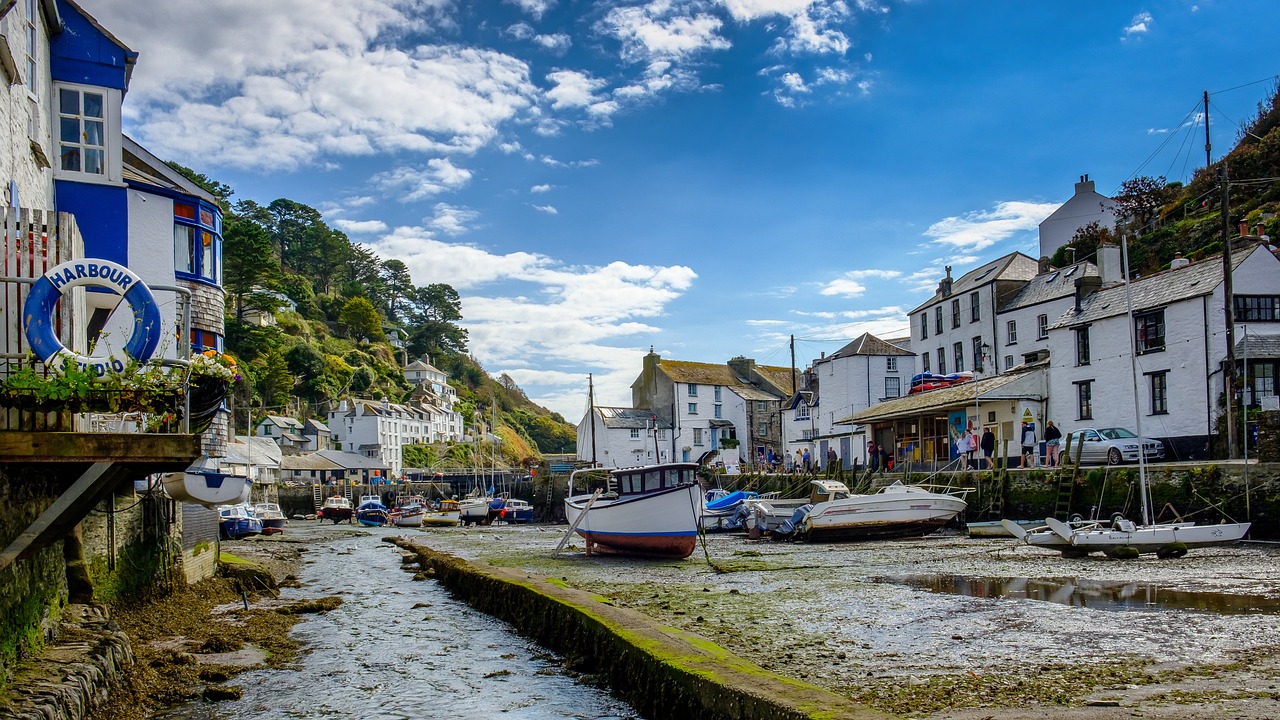
Located 120-200 miles southwest of London (2.5-3.5 hours by train or car depending on destination), Devon's vineyards are spread across the county from the Dart Valley in South Devon to the Axe Valley in East Devon, offering a wine tourism experience intertwined with Devon's renowned food culture, dramatic coastline, and rolling countryside. While more scattered than Sussex or Kent's vineyard clusters, Devon compensates with distinctive character - from Totnes's bohemian charm to Exeter's cathedral city sophistication, all serving as excellent bases for exploring England's westernmost wine region.
Why Visit Devon Vineyards Return to contents
The Maritime Climate: Devon's mild maritime climate, influenced by the Gulf Stream, creates surprisingly favorable conditions for viticulture. The Dart Valley's south-facing slopes benefit from sheltered microclimates and limestone-rich soils that produce wines with distinctive character. While cooler and wetter than southern England's chalk belt, Devon's longer growing season and temperate winters allow vines to thrive - particularly aromatic whites like Madeleine Angevine (Sharpham's signature grape), Bacchus, and Pinot Gris. The county's diverse terroir - from river valleys to coastal slopes - creates wines that taste distinctly of their Devon origins.
The Heritage & Innovation: Devon pioneered English still wine production in the modern era. Sharpham Estate (now operating from Sandridge Barton) planted its first vines in 1981, focusing on still wines and rosés when most English producers chased sparkling. This innovative spirit continues today, with Lyme Bay Winery taking a unique approach by sourcing grapes from the best sites across southern England rather than relying on estate fruit. Pebblebed demonstrates community winemaking at its best, evolving from an 11-family project in 1999 to a respected 22-acre vineyard producing 50,000 bottles annually.
The Experience: Devon wine tourism integrates seamlessly with the county's exceptional food culture and stunning landscapes. Sandridge Barton features ROAM restaurant showcasing estate-grown ingredients, woodland trails, and accommodation options. Lyme Bay offers daily cellar door tastings of wines, meads, and spirits with an adjacent café. Pebblebed provides intimate tours led by head winemaker Alex Mills, with wines also available at their Darts Farm wine cellar in Topsham. The scale is personal - you'll often meet owners and winemakers directly.
Vineyards in Devon Return to contents


Sandridge Barton 'Home of Sharpham Wine' (near Totnes)
Devon's flagship vineyard with 40 years of winemaking heritage in a state-of-the-art facility. Open daily 10am-5pm with guided tours (vineyard tour 1 hour, winery tour 1.5 hours, combined 2.5 hours), self-guided tastings, and ROAM restaurant (led by experienced kitchen team, Wednesday-Sunday). Woodland and vineyard trails, farm shop selling wines and Sharpham cheese. Known for Estate Selection Madeleine Angevine and award-winning sparkling wines. Dogs welcome on leads. Self-catering cottages available. Nearest station: Totnes (approximately 12-minute taxi).
Lyme Bay Winery (Axe Valley, near Axminster)
Award-winning winery producing English still and sparkling wines, plus mead, spirits, and fruit wines. Open Tuesday-Saturday 10am-4:30pm (closed 12:30-13:15) with cellar door shop accepting walk-ins for tastings. Guided tastings available (1-2 hours, various packages from £20-35pp, booking required). Unique model sourcing grapes from top growers across southern England. Adjacent Coffee Factory café. A* BRC accreditation for manufacturing quality. Nearest station: Axminster (short taxi ride).
Pebblebed Vineyards (near Exeter/Topsham)
Community-focused 22-acre vineyard producing award-winning sparkling and still wines. Tours run May-September (Thursdays 4pm, Saturdays 11:30am & 3pm, approximately 2-3 hours) led by head winemaker Alex Mills, including vineyard walk, winery tour, tasting of 5 wines, plus farmhouse cheese and charcuterie (£40 for 2 people). Wine cellar also located at Darts Farm in Topsham. Community harvest events. Nearest station: Topsham (10-minute walk) or Exeter (15-minute taxi).
Other notable producers: Tamar Valley Vineyard (near Tavistock), Kenton Park Estate, Lympstone Manor (luxury hotel with vineyard), and numerous smaller estates across Devon contributing to the county's wine diversity.
What can you expect from wine tasting in Devon?
Tastings differ between vineyards and tasting flights can change, but Devon tastings often feature a broad mix, including Seyval Blanc, Bacchus and occasional experimental blends.
Planning Your Visit Return to contents
How many vineyards in a day? Realistically 1-2 vineyards. Devon's vineyards are spread across the county with significant distances between them - Sandridge Barton to Pebblebed is approximately 50 minutes, Pebblebed to Lyme Bay is approximately 45 minutes. Tours at Sandridge Barton and Pebblebed run 1.5-2.5 hours. Plan your itinerary around one vineyard tour plus dining, or visit cellar doors at multiple vineyards for tastings only.
Vineyard locations:
- Dart Valley/South Devon: Sandridge Barton (near Totnes)
- Exeter area: Pebblebed (near Topsham, 25 minutes from Totnes)
- East Devon: Lyme Bay (Axe Valley, 45 minutes from Pebblebed)
- West Devon: Tamar Valley (near Tavistock, 1 hour from Totnes)
Booking: Sandridge Barton strongly recommends pre-booking tours; self-guided tastings more flexible. Pebblebed requires advance booking for all tours (May-September only). Lyme Bay cellar door accepts walk-ins Tuesday-Saturday but guided tastings need pre-booking. Restaurant reservations essential, especially ROAM on weekends.
Best times to visit:
- Spring (April-May): Vineyards reopen, countryside blooms, pleasant weather, lambing season on farms, fewer crowds
- Summer (May-September): Peak season with full tour schedules at all vineyards, ROAM open Wednesday-Sunday, outdoor terraces, extended hours, special events. Pebblebed tours only run this season. Book well ahead.
- Autumn (September-October): Harvest time - Pebblebed hosts community harvest events, beautiful autumn colors, still warm. Tours continue at main vineyards.
- Winter (November-March): Sandridge Barton and Lyme Bay remain open (check reduced hours). Pebblebed tours not available (wine cellar at Darts Farm open). Cozy tasting rooms. Check opening times before visiting.
Where to Stay Return to contents
Vineyard Stays:
Sandridge Barton Self-Catering Cottages - Stay in the vineyard with views over the Dart Valley. Perfect for immersive experience.
Totnes (Best for Sandridge Barton):
Bohemian market town on River Dart with independent shops, organic food scene, and castle. Direct trains from London Paddington (approximately 2 hours 45 minutes). Just 12 minutes from Sandridge Barton by taxi. Hotels, B&Bs, and riverside accommodation available including The Bull Inn and The Steam Packet Inn. Excellent restaurants with local wine lists.
Exeter (Best for Pebblebed):
Historic cathedral city with excellent museums, shopping, and dining. Direct trains from London Paddington (approximately 2 hours 15 minutes, frequent service). Just 15 minutes from Pebblebed by taxi. Wide range of accommodation from budget chains to boutique hotels. Good base for exploring both Pebblebed and Lyme Bay (45 minutes).
Topsham (Charming alternative near Pebblebed):
Historic port town on River Exe with independent shops, antique dealers, and waterfront pubs. Train station with services to Exeter and London. Just 10-minute walk to Pebblebed. Darts Farm (with Pebblebed wine cellar) nearby. Limited but characterful accommodation.
Dartmouth:
Beautiful riverside town near Sandridge Barton. Reached by scenic boat trip from Totnes or 30-minute drive. Excellent restaurants, maritime heritage, boutique hotels. Good for combining vineyard visits with coastal exploring.
South Devon Coast:
For extended trips, coastal bases like Salcombe, Slapton, or Torquay combine vineyard visits with beaches, coastal walks, and seafood restaurants. Car essential but allows exploring South Devon's stunning coastline alongside wine tourism.
Getting There & Around Return to contents
By Train from London:
- London Paddington to Exeter St Davids: Approximately 2 hours 15 minutes, frequent direct service
- London Paddington to Totnes: Approximately 2 hours 45 minutes, direct trains hourly
- London Waterloo to Axminster: Approximately 3 hours (change at Salisbury or Exeter), for Lyme Bay
- Exeter to Topsham: Local trains, approximately 8 minutes
By Car from London:
Approximately 3-3.5 hours (180-210 miles depending on destination). M3/M5 to Exeter, then A38 to Totnes or local roads to vineyards. Car strongly recommended for visiting multiple vineyards as they're spread across the county with limited public transport connections. Designated driver essential or pre-book taxis.
Getting to Vineyards from Stations:
- Sandridge Barton from Totnes station: Approximately 12-minute taxi ride. Pre-book taxi, especially for return journeys.
- Pebblebed from Topsham station: 10-minute walk or short taxi from Exeter (15 minutes).
- Lyme Bay from Axminster station: Short taxi ride (check current taxi availability).
- Between vineyards: Car essential - distances of 30-60 minutes. No practical public transport between estates.
Car Hire:
Available at Exeter airport (30 minutes from Exeter city), Exeter St Davids station, or Totnes. Recommended for multi-vineyard visits and exploring Devon's countryside and coast.
Beyond the Vineyards Return to contents
Historic Sites:
- Totnes Castle - Norman motte-and-bailey with panoramic views
- Exeter Cathedral - Magnificent Gothic cathedral
- Greenway - Agatha Christie's riverside holiday home
- Berry Pomeroy Castle - Romantic Tudor ruins
- Dartington Hall - Historic estate with gardens, arts center, and events
Coastal & Countryside:
- South West Coast Path - Stunning coastal walks
- Dartmoor National Park - Wild moorland, tors, ancient woodlands
- South Devon beaches - Blackpool Sands, Bantham, Bigbury-on-Sea
- River Dart boat trips - Totnes to Dartmouth scenic cruises
- Jurassic Coast - UNESCO World Heritage Site in East Devon
Food & Drink:
- Totnes has exceptional organic restaurants and independent food shops
- Darts Farm, Topsham - Award-winning farm shop and food hall
- Devon's seafood - especially in coastal towns like Dartmouth and Salcombe
- Numerous Michelin and AA Rosette restaurants across the county
- Devon cream teas - traditional afternoon tea experience
Culture:
- Royal Albert Memorial Museum, Exeter - Art, history, and natural history
- Dartington Arts - Cinema, concerts, and festivals
- Totnes' alternative culture - independent bookshops, wholefood shops, yoga studios
- Summer festivals and events across Devon