Visiting Vineyards in the South West
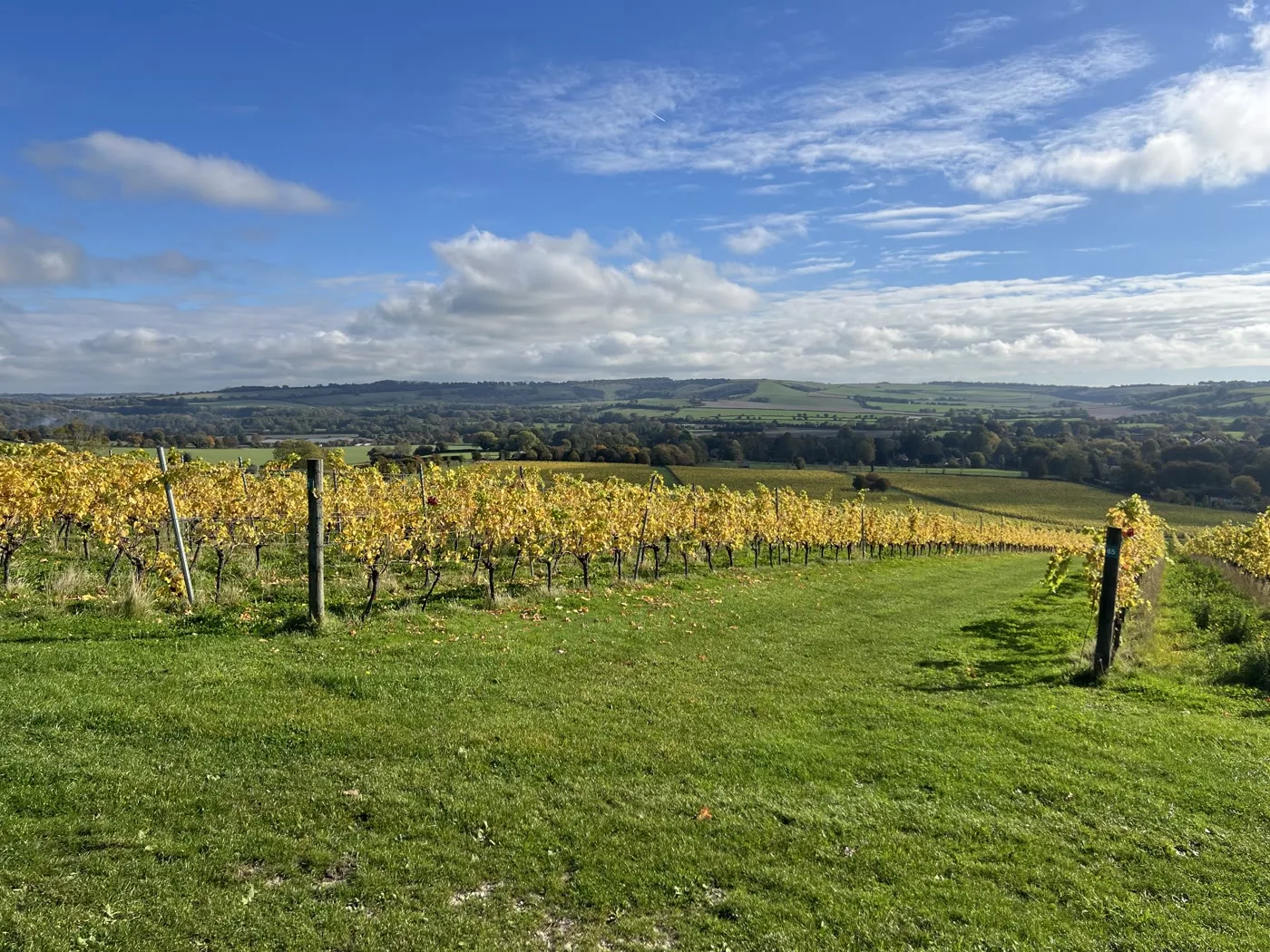
The South West is England's westernmost wine region, stretching from Gloucestershire's Cotswold slopes down through Somerset, Dorset, and Devon to the tip of Cornwall. The region's mild maritime climate, shaped by the Gulf Stream, creates surprisingly favourable conditions for viticulture - particularly aromatic whites and fresh sparkling wines. Estates here tend to be more spread out than in the South East, but the scenery, food culture, and sense of place more than compensate.
South West England covers a broad sweep of countryside, from the Cotswolds to the Cornish coast. Vineyards are more scattered than in Kent or Sussex, but the region's exceptional food scene, dramatic landscapes, and quieter pace make it an appealing wine tourism destination - particularly for visitors looking to combine vineyard visits with beaches, coastal walks, or market town exploring.
I've visited eleven vineyards across Devon, Dorset and Cornwall, and most were dog-friendly enough that your companion gets a warmer welcome than you do, followed by the inevitable "are they allowed a treat?"
Food
On a recent trip through Devon, Dorset and Cornwall, food turned out to be the real variable. Only around a dozen of the South West's vineyards have a restaurant on site - not many, across a region this size - so the ones that do are worth knowing.
First stop was Langham in Dorset, which runs a midweek set menu (Wednesday to Friday) with £15 tasting flights - an accessible way into what many rate as the best sparkling wine in England. My main, a rack of lamb, was a little disappointing, but the starter was strong and my partner's tarragon chicken was excellent, enough to suggest a rare off day rather than a broader problem.
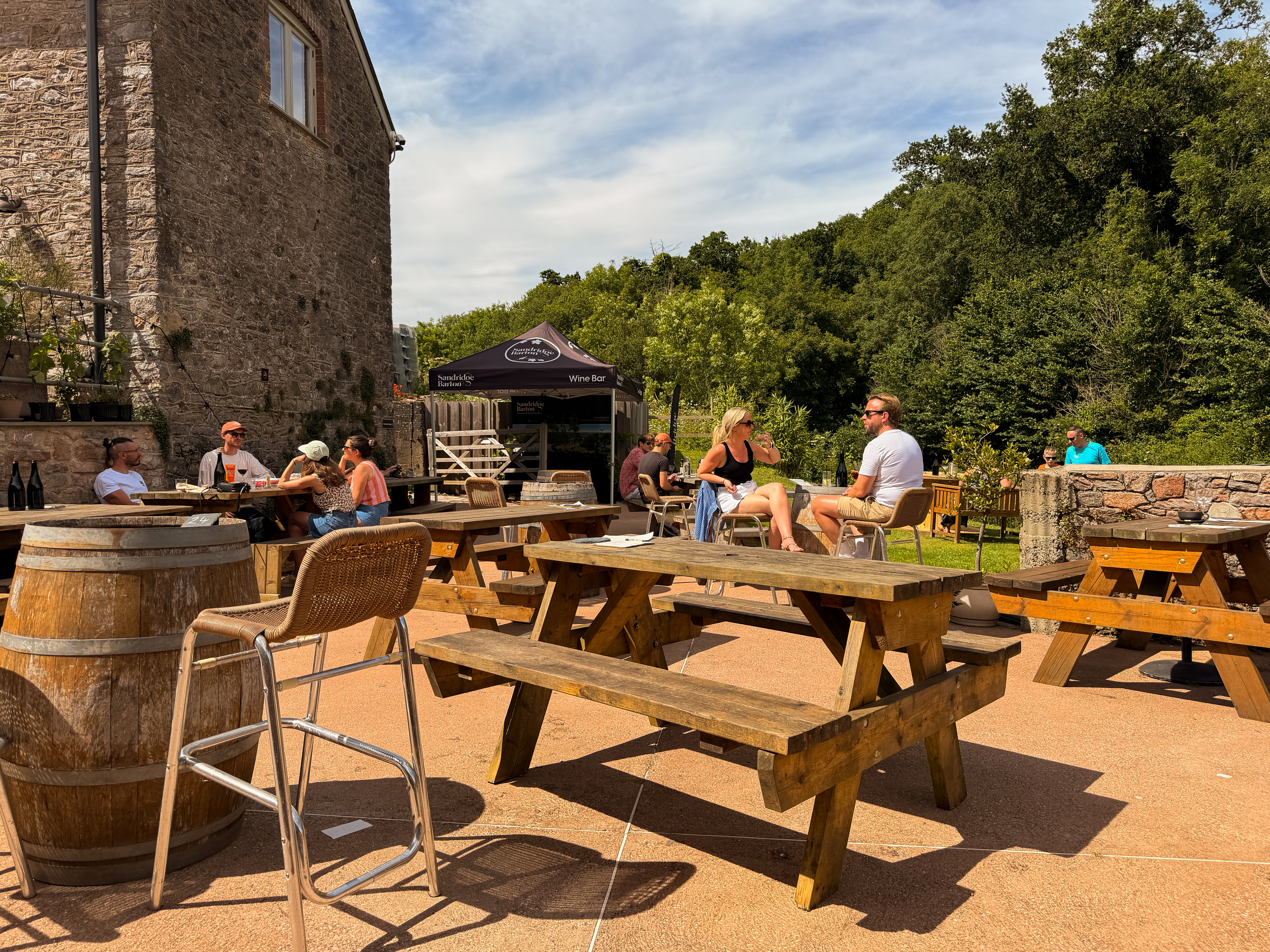
Next was Sandridge Barton in Devon, where Roam was full by the time we turned up. Sitting in the courtyard afterwards, I enviously caught snatches of satisfied conversation from diners who had got a table - it's built a reputation fast, and the courtyard and vineyard trail made the trip worthwhile regardless.
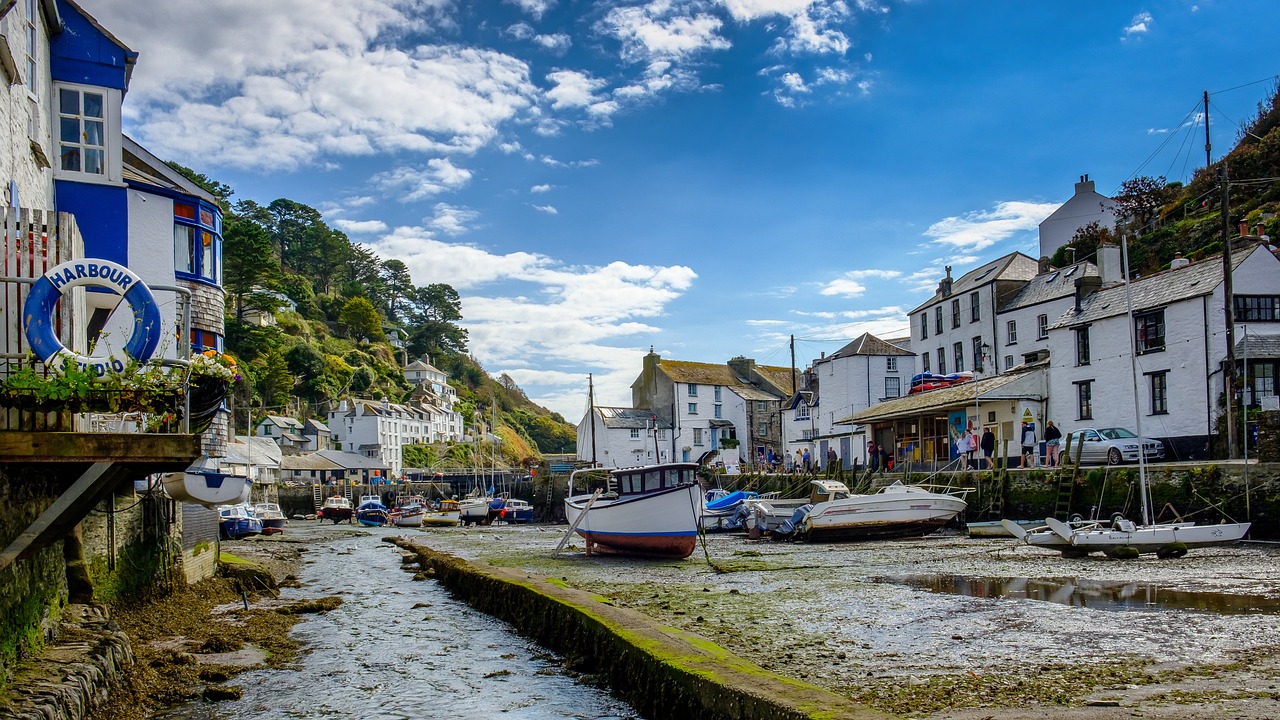
Over in Cornwall, Trevibban Mill had a good indoor spread of charcuterie, most of it locally sourced - the table next to us liked it enough to order a second round - plus a full-on restaurant downstairs: Barnaby's. Last stop was Polgoon, near Penzance, which skips the restaurant altogether but often has someone cooking out of a pop-up kitchen instead.
Full details in the Devon, Dorset and Cornwall guides.
Devon
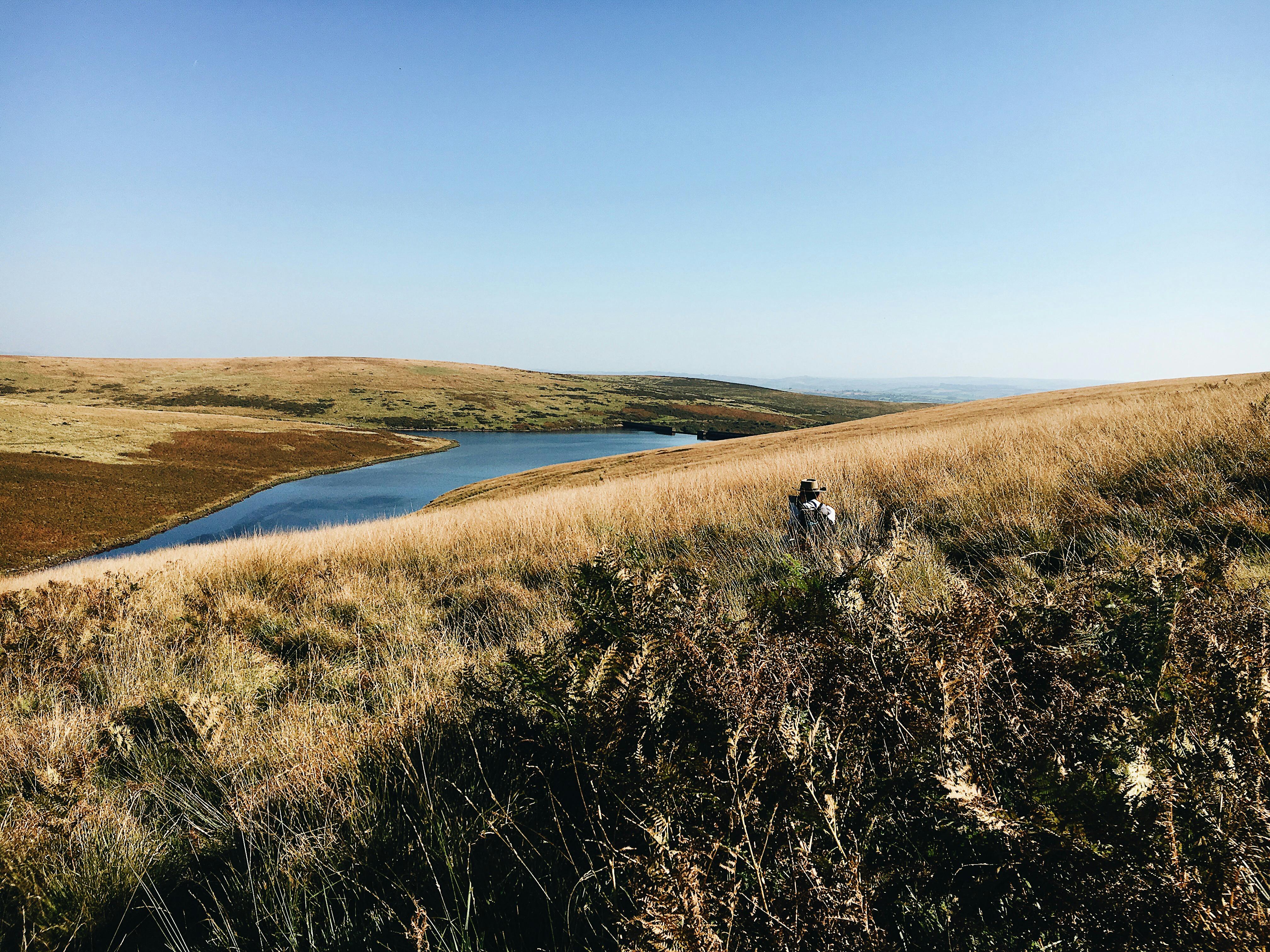
Devon is the South West's most established wine county, with Sharpham Estate (now at Sandridge Barton) having planted vines as far back as 1981. The Dart Valley and Axe Valley host the county's most visited estates. Expect still whites, community winemaking, and genuinely local hospitality.
Cornwall
Cornwall's wine industry is smaller and newer than Devon's, but growing steadily. The peninsula's mild winters and maritime air suit aromatic varieties. Camel Valley in the Camel Valley near Bodmin is Cornwall's best-known producer and one of England's most acclaimed sparkling wine estates.
Dorset
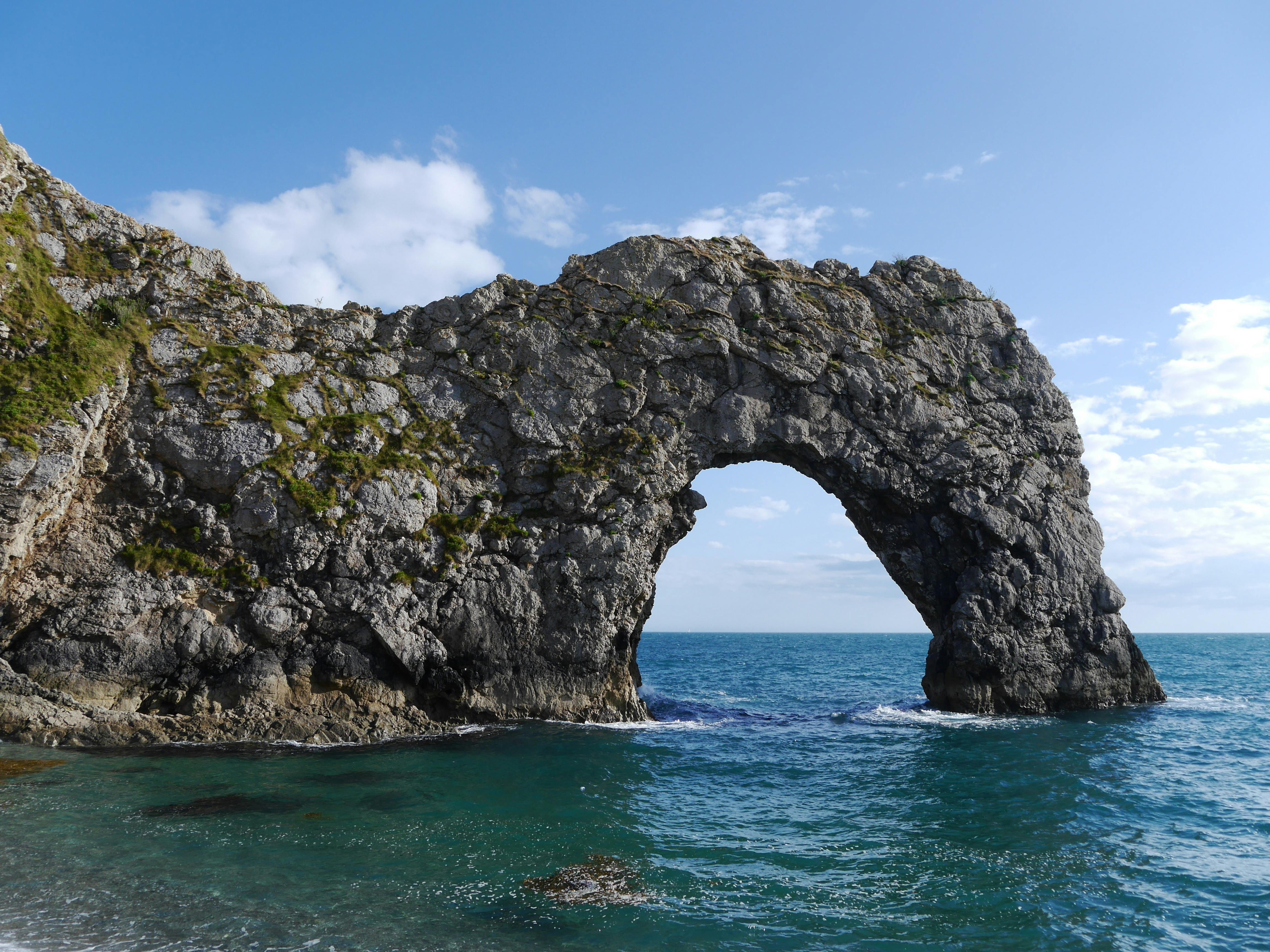
Dorset has a small cluster of vineyards producing still and sparkling wines, often combining visits with Jurassic Coast walks or market town stops in Dorchester or Sherborne.
Somerset
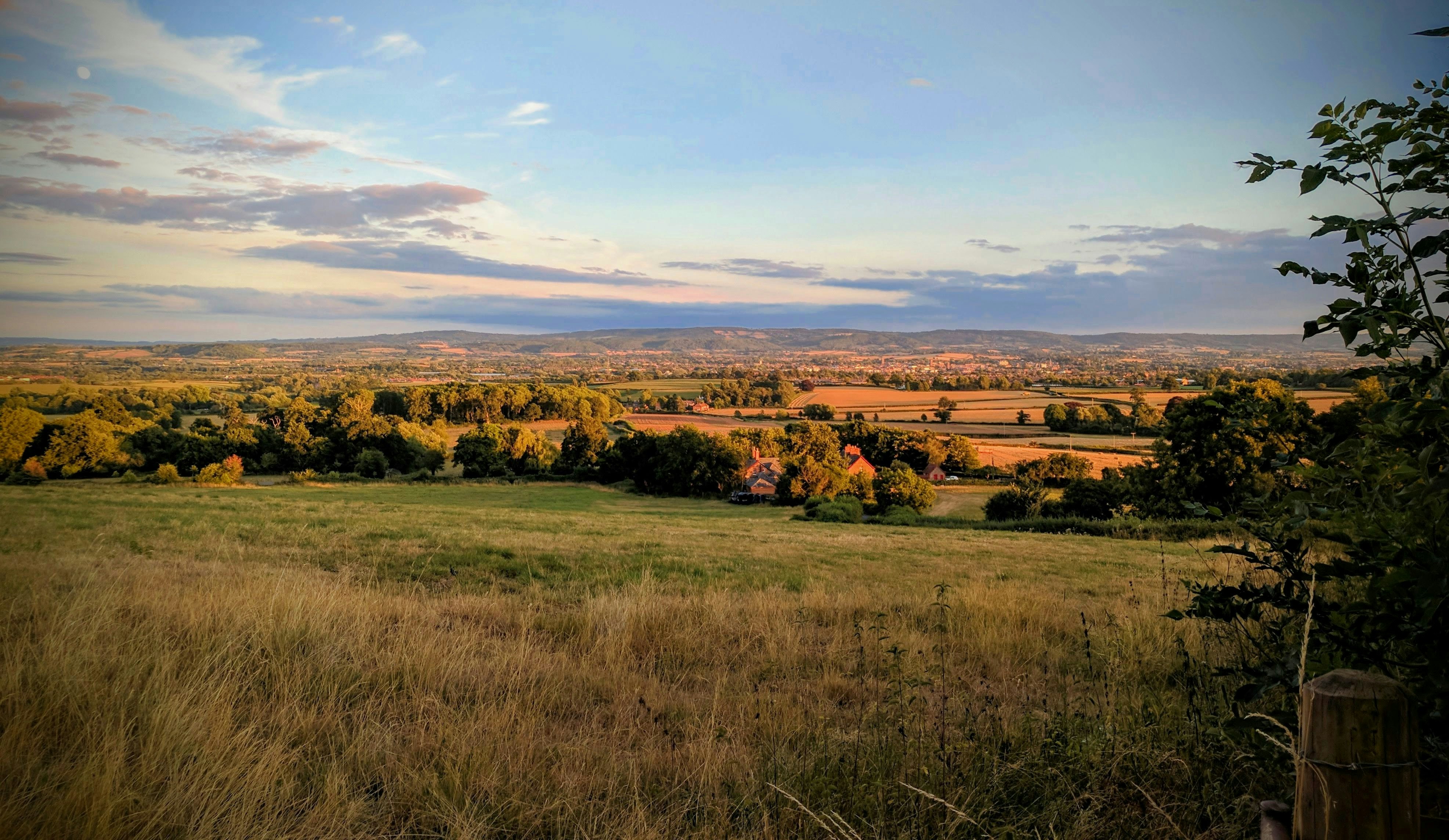
Somerset's wine scene includes a handful of serious producers, typically open for tastings and cellar-door visits in warmer months. The county is better known for cider, but English wine is a growing presence.

Vineyard events, new openings and the best deals - straight to your inbox.
No spam, unsubscribe anytime.
 Instagram
 TikTok
Book an experience


Vinebound may earn a commission from purchases made via these links.