
Visiting Kent's Best Vineyards
Kent is one of the largest and most varied wine-producing counties in England, and that scale shapes how vineyard visits work here. Unlike counties where wine tourism is concentrated into one or two clusters, Kent’s vineyards are spread across chalk downland, mixed farmland, and coastal plains. As a result, visits range from highly developed estate experiences to appointment-only tastings on working farms.
Two vineyards a few miles apart can feel like completely different days out, so planning planning pays off.
Why Visit Kent Vineyards Return to contents
The Variety: Kent offers the widest range of vineyard visit styles in the South East. Large estates such as Chapel Down, Gusbourne, Simpsons Wine Estate, and Balfour Winery operate with regular opening hours, tasting rooms, and shops, making them straightforward first visits. Alongside these sit dozens of smaller vineyards where visits are quieter, more personal, and usually arranged directly with the producer.
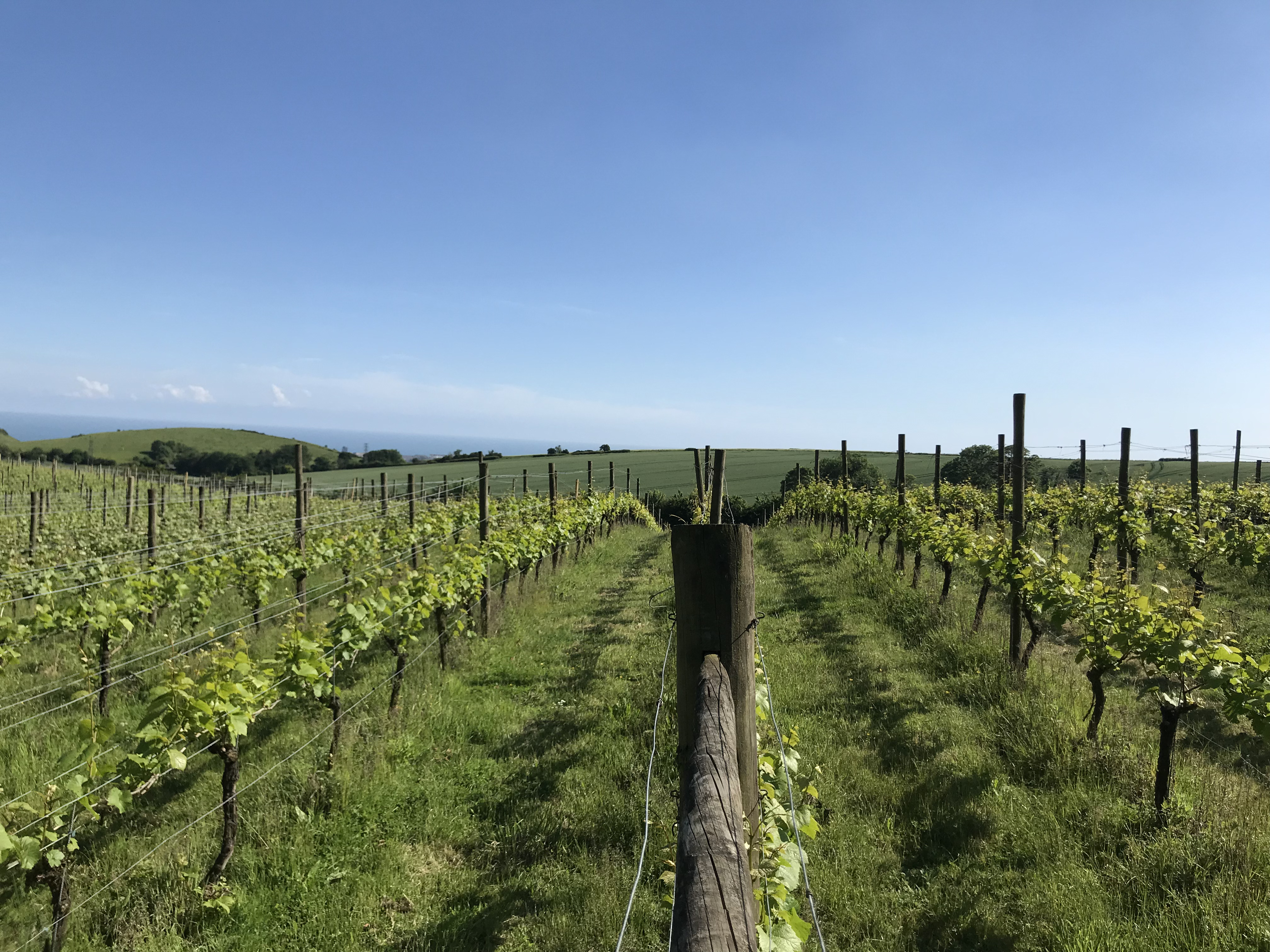
The Geography: Much of Kent’s vineyard planting follows the North Downs chalk ridge, with further sites spread across east and south Kent. Chalk soils dominate in many areas, but the county’s sheer size means vineyards sit in very different landscapes - from open downland to low-lying farmland and coastal plains.
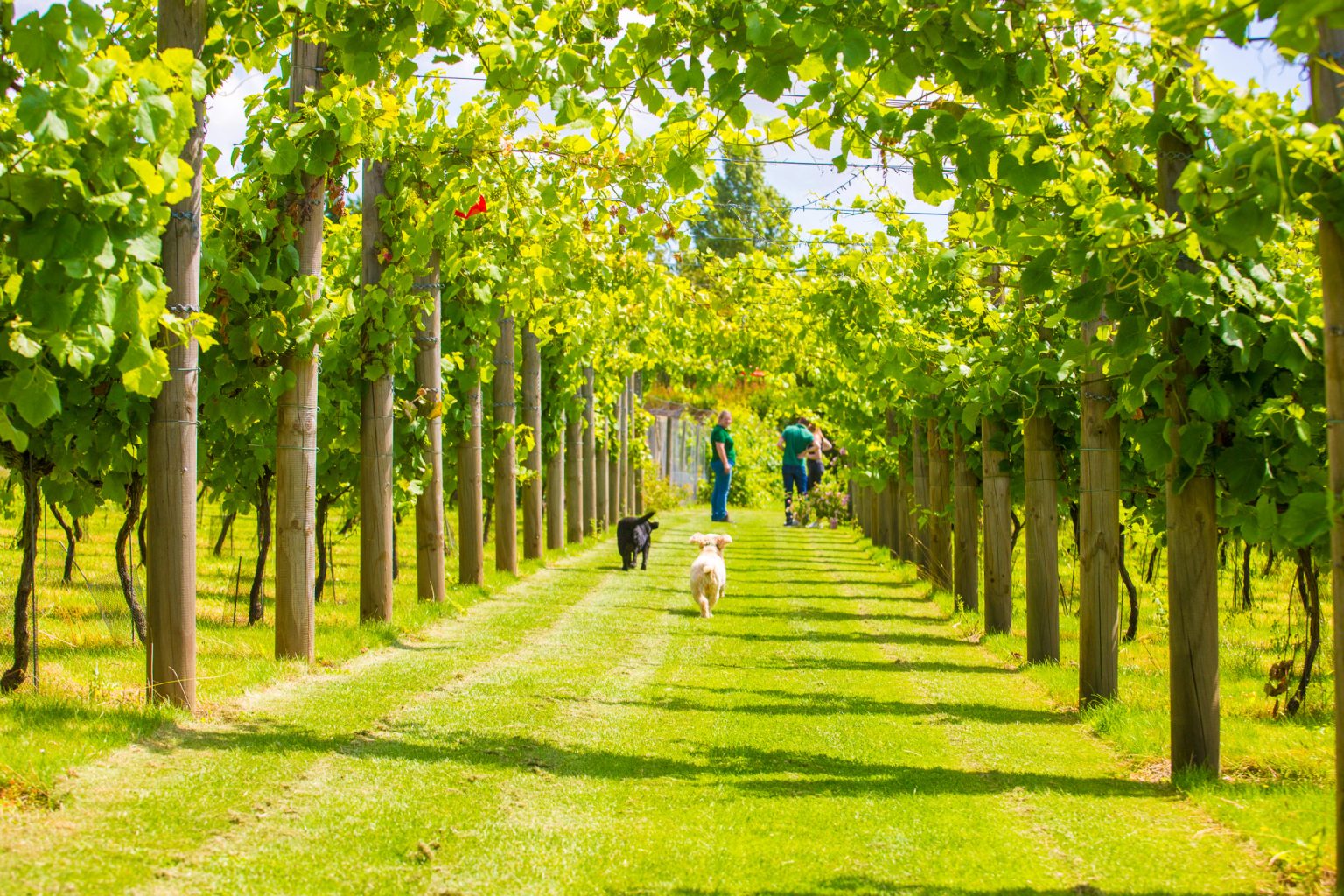
The Flexibility: Kent works well for both focused single-vineyard visits and broader days out. Some estates can comfortably fill a full afternoon, while others pair well with nearby towns, walks, or coastal stops.
Vineyard Areas & Local Character Return to contents
North and West Kent: Closer to London, this part of the county is easier to reach for day trips. Vineyards here often sit near historic estates and villages and are more likely to support casual visitors. Estates such as Squerryes and Biddenden reflect this more established visitor culture.
East Kent and the Downs: Further east, vineyards become more rural and dispersed. Sites such as Elham Valley, Terlingham, Ham Street Wines, and Westwell sit within working farmland or open countryside. Visits here tend to feel slower and more informal, often requiring advance booking.
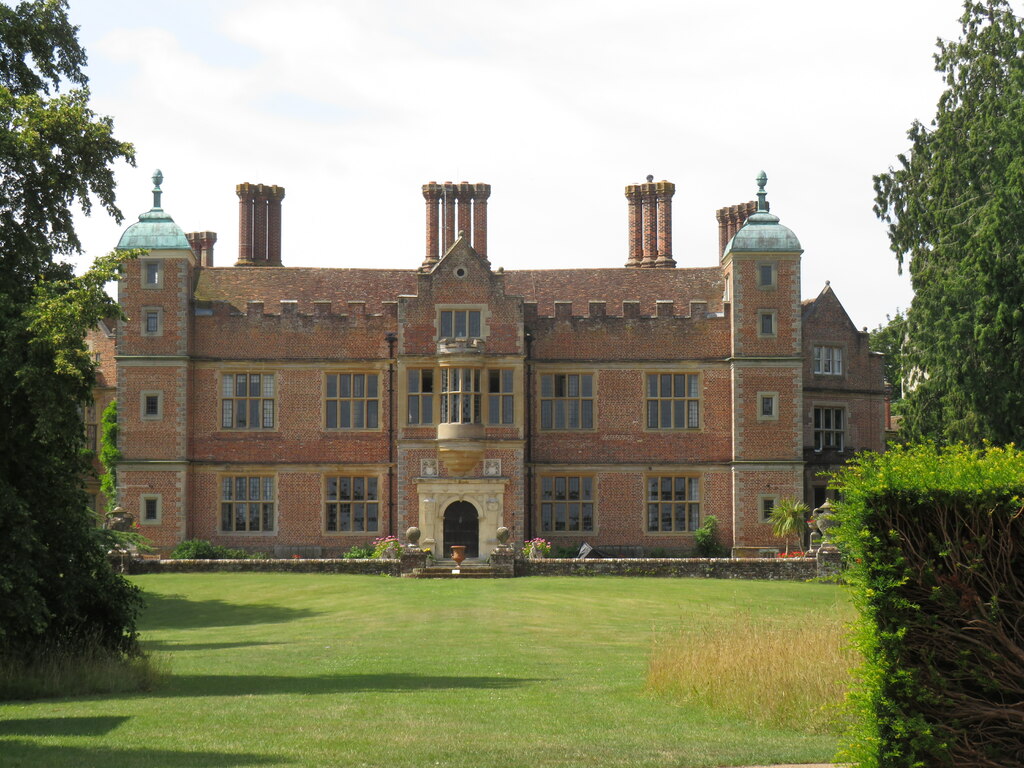
Central Kent: Central areas mix both approaches. Vineyards such as Chartham Vineyard and Woolton Farm combine wine production with broader rural or cultural settings, making them easier to pair with nearby towns or walks.





What Kent Does Well Return to contents
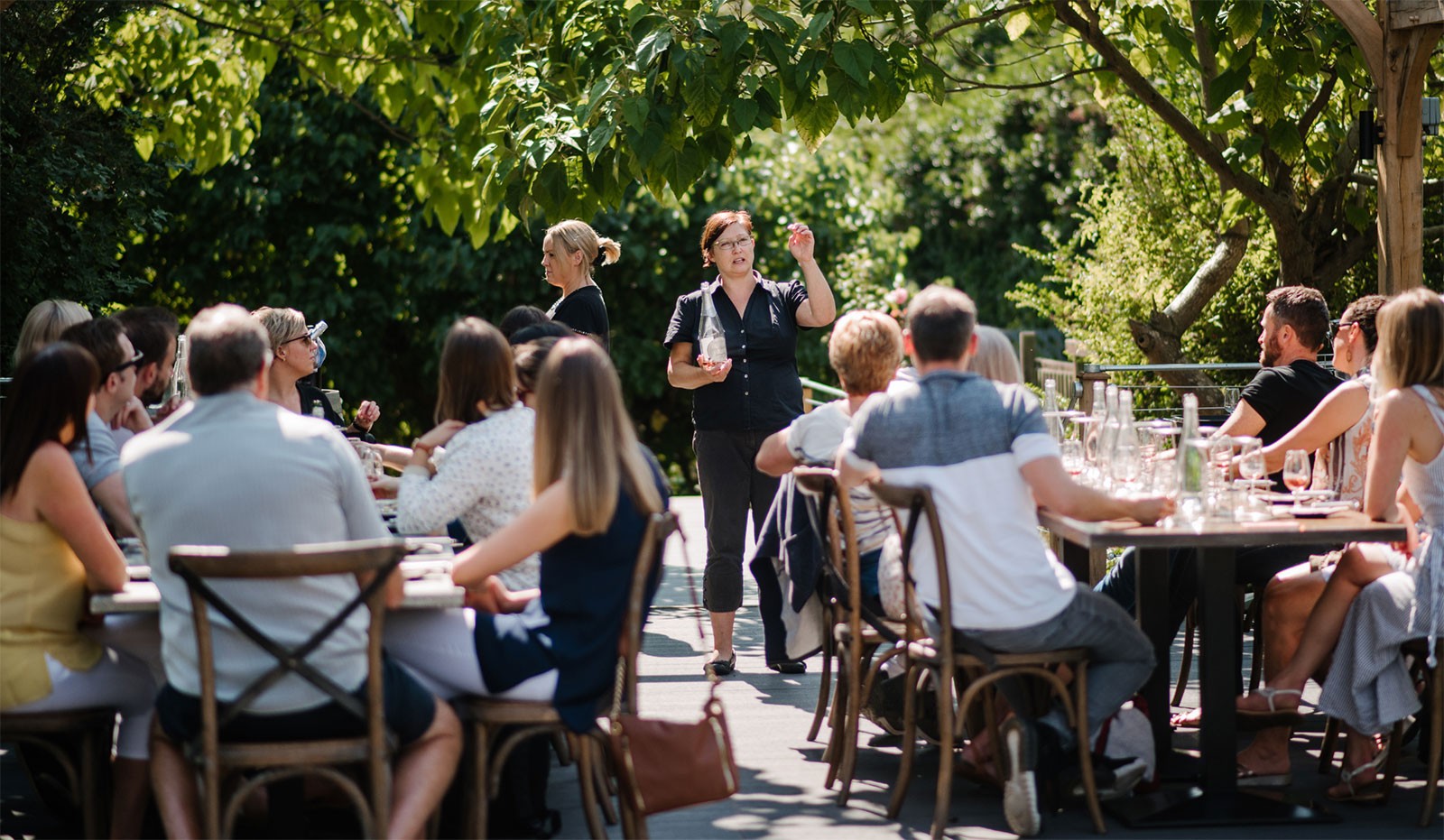
Kent’s strength lies in range rather than uniformity. Within a single county you’ll find long-established commercial producers, newer estates with modern wineries and tasting rooms, and small vineyards where the owner may lead the tasting.
This variety makes Kent particularly well suited to repeat visits. A polished estate experience one weekend can be followed by a quieter, appointment-only tasting the next, without travelling far.
Beyond the Vineyards Return to contents
Kent’s vineyards are easy to combine with the wider county. Historic cities such as Canterbury, market towns like Tenterden, and coastal areas including Whitstable and the north Kent coast all sit within reach of vineyard areas. For many visitors, wine forms part of a broader day out rather than the sole focus.
Who Kent Is Best For Return to contents
Kent suits visitors new to English wine who want a clear, well-run first experience, as well as those returning to vineyards who enjoy contrasting styles of visit. It also works well for people combining wine with historic towns, countryside walks, or the coast.
It is less suited to spontaneous multi-vineyard hopping without advance planning, or to visitors looking for a single, tightly defined wine route in a compact area.
Planning Your Visit Return to contents
How many vineyards in a day? In most cases, one vineyard is enough - particularly at larger estates with tours, tastings, or food. Smaller, appointment-only vineyards can sometimes be paired, but distances and booking requirements make this less predictable than in counties with tighter clusters.
Booking: Many larger estates accept walk-ins for tastings during opening hours, though booking is recommended at weekends and in summer. Smaller vineyards typically require advance booking for tastings and visits.
Best times to visit: Late spring through early autumn offers the widest choice of tours and tastings. Harvest in September and October can be an interesting time to visit, though availability may be more limited. Winter visits are possible at some estates but often require more planning.
Where to Stay Return to contents
Towns and villages in Kent
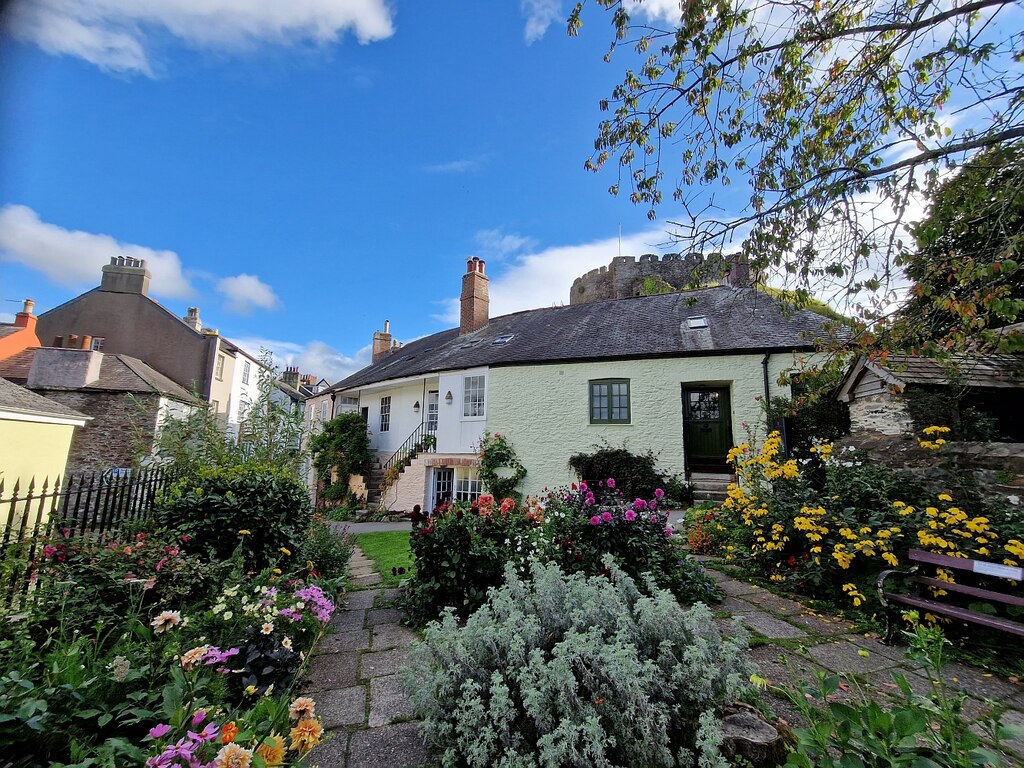
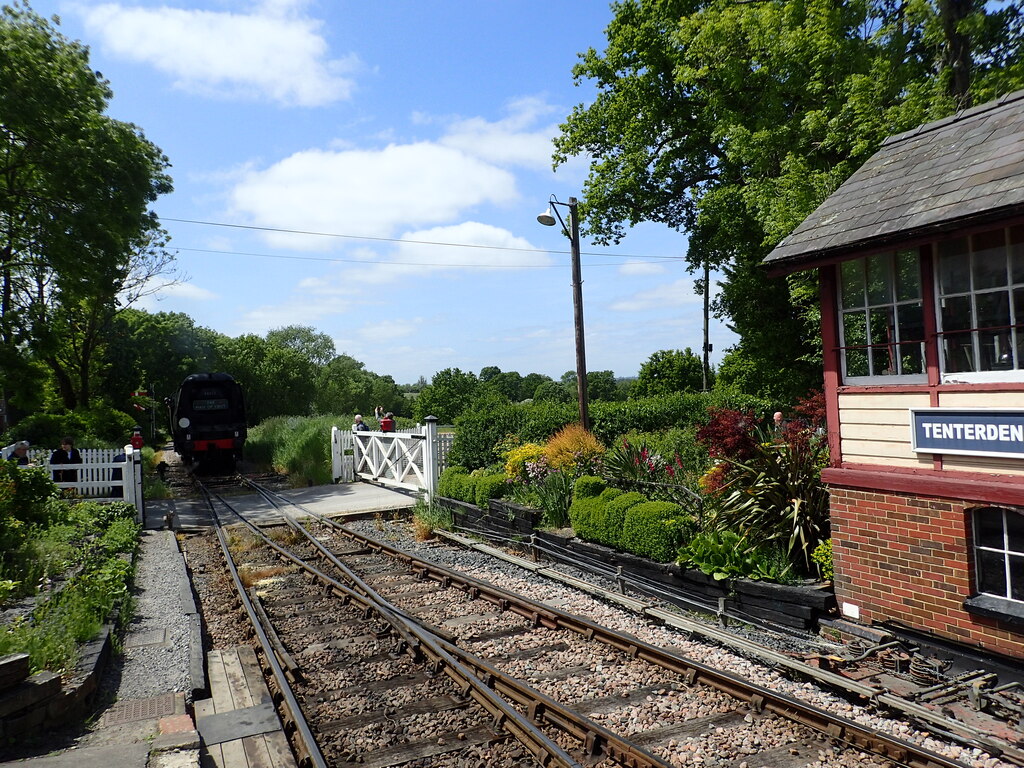
Kent offers a wide range of bases, from historic towns to rural villages. Canterbury and Tenterden work well for combining wine with sightseeing, while coastal towns such as Whitstable offer food-focused stays within reach of several vineyards. Rural accommodation suits visitors prioritising countryside and quieter vineyard visits.
Getting There & Around Return to contents
From London: Kent is well served by train routes from London Bridge, Charing Cross, St Pancras, and Victoria, depending on destination. Journey times range from under an hour to around 90 minutes.
By car: A car offers the most flexibility, particularly for smaller vineyards and rural areas. Distances between vineyards can be greater than expected, so allow generous travel time.
FAQ
Do I need to book vineyard tours in Kent in advance?
Can I visit multiple vineyards in Kent in one day?
Are there guided wine tours of Kent’s vineyards with transport included?
What types of tasting experiences are available at Kent vineyards?
Which vineyards in Kent have regular opening hours?
Are Kent vineyards family-friendly or dog-friendly?
What is the best time of year to visit Kent vineyards?
Can you combine a Kent vineyard visit with lunch or dining?
How long should I allow for a vineyard visit in Kent?
Are there full-day vineyard tour packages available in Kent?
Can you visit Kent vineyards without a car?
Are Kent vineyards open year round?
What types of wine are Kent vineyards best known for?
Can I buy wine directly from Kent vineyards and have it shipped?
Are there wine-related events or festivals in Kent?
More South East Counties to explore
East Sussex

Vibes: Downland, Coastal, Art And Culture
Essex
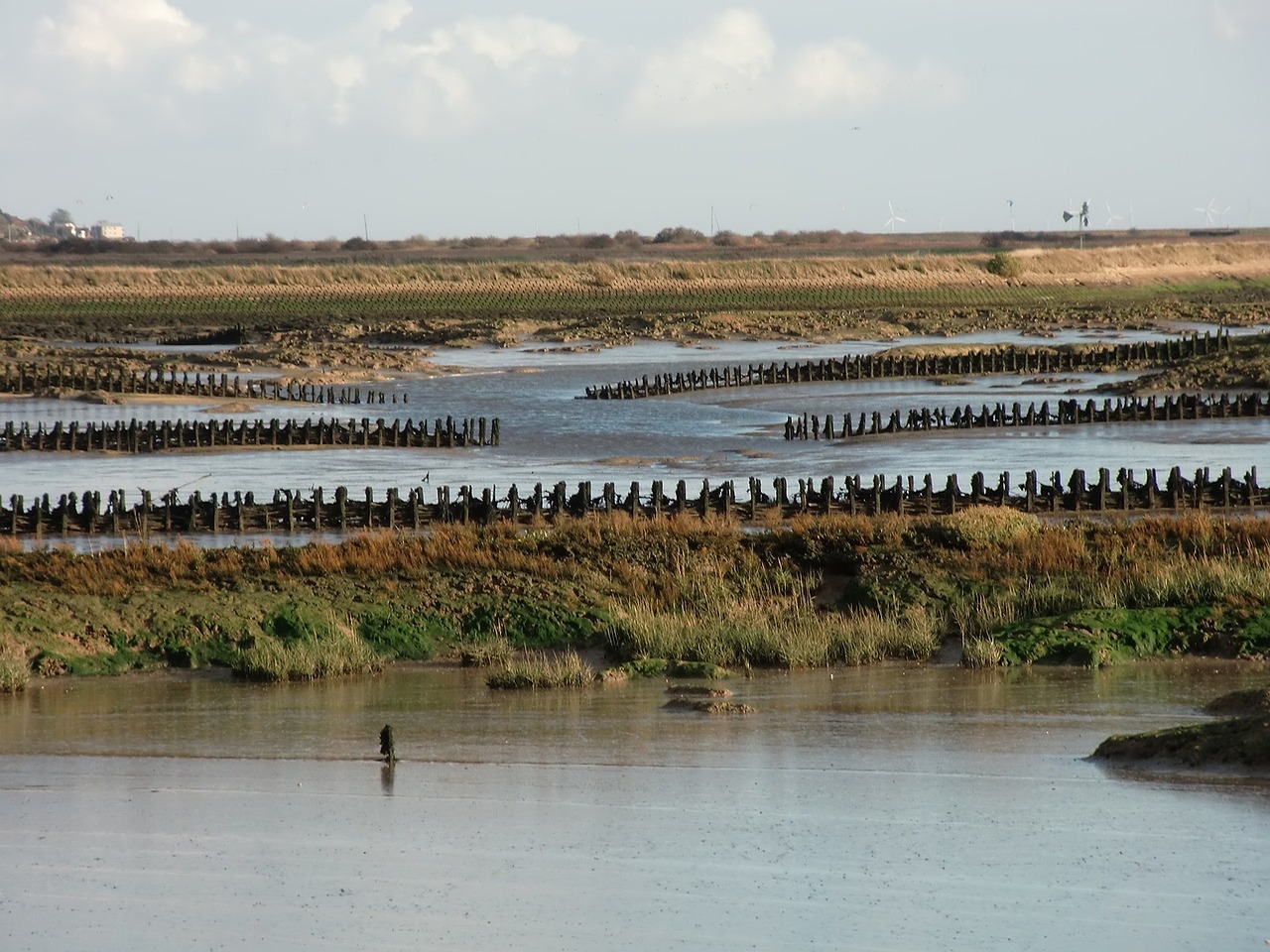
Vibes: Estuaries, Countryside, Sunshine Coast
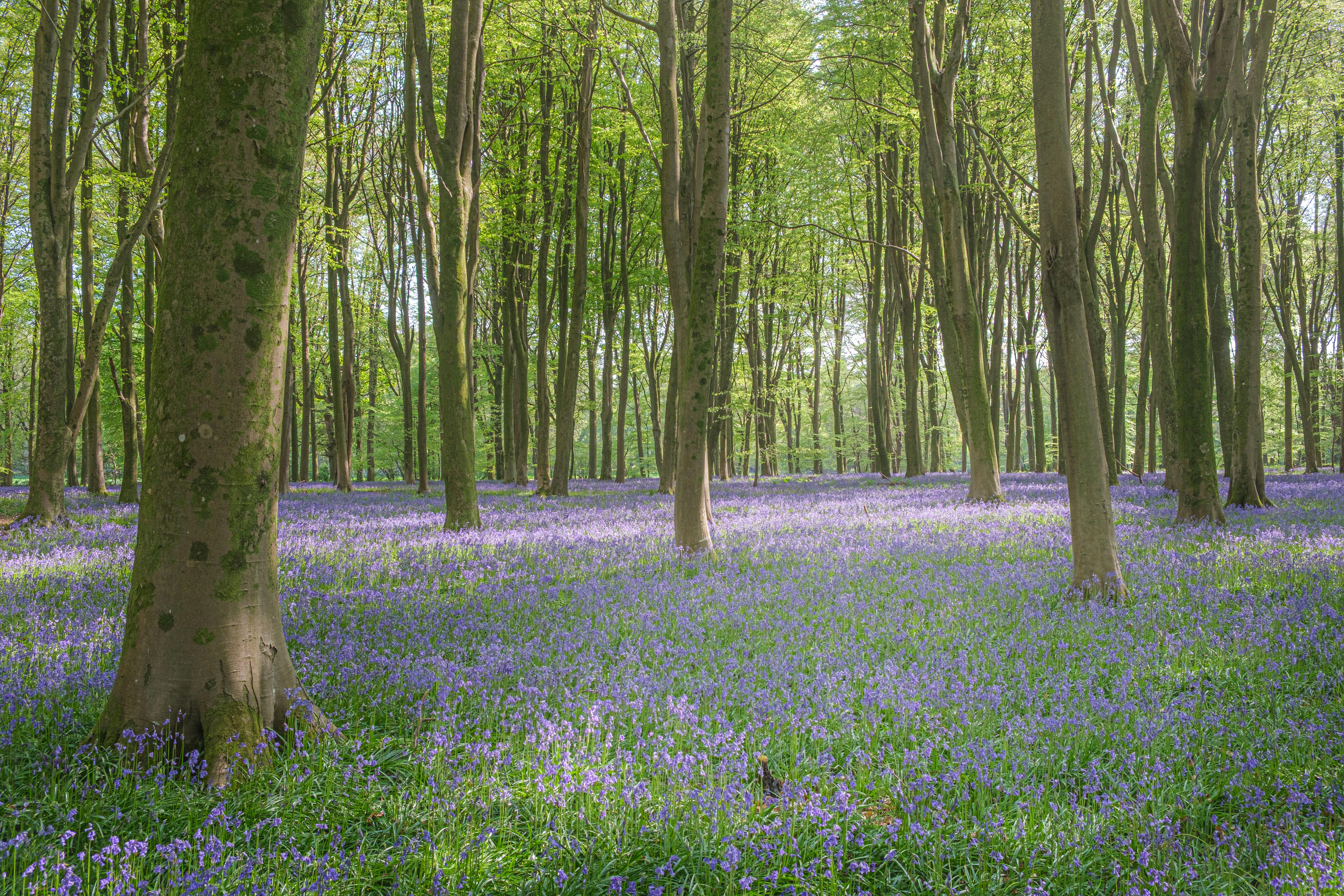
Oxfordshire

Vibes: Chilterns, Riverside, Market Towns
Surrey

Vibes: Surrey Hills, North Downs, Accessible
West Sussex
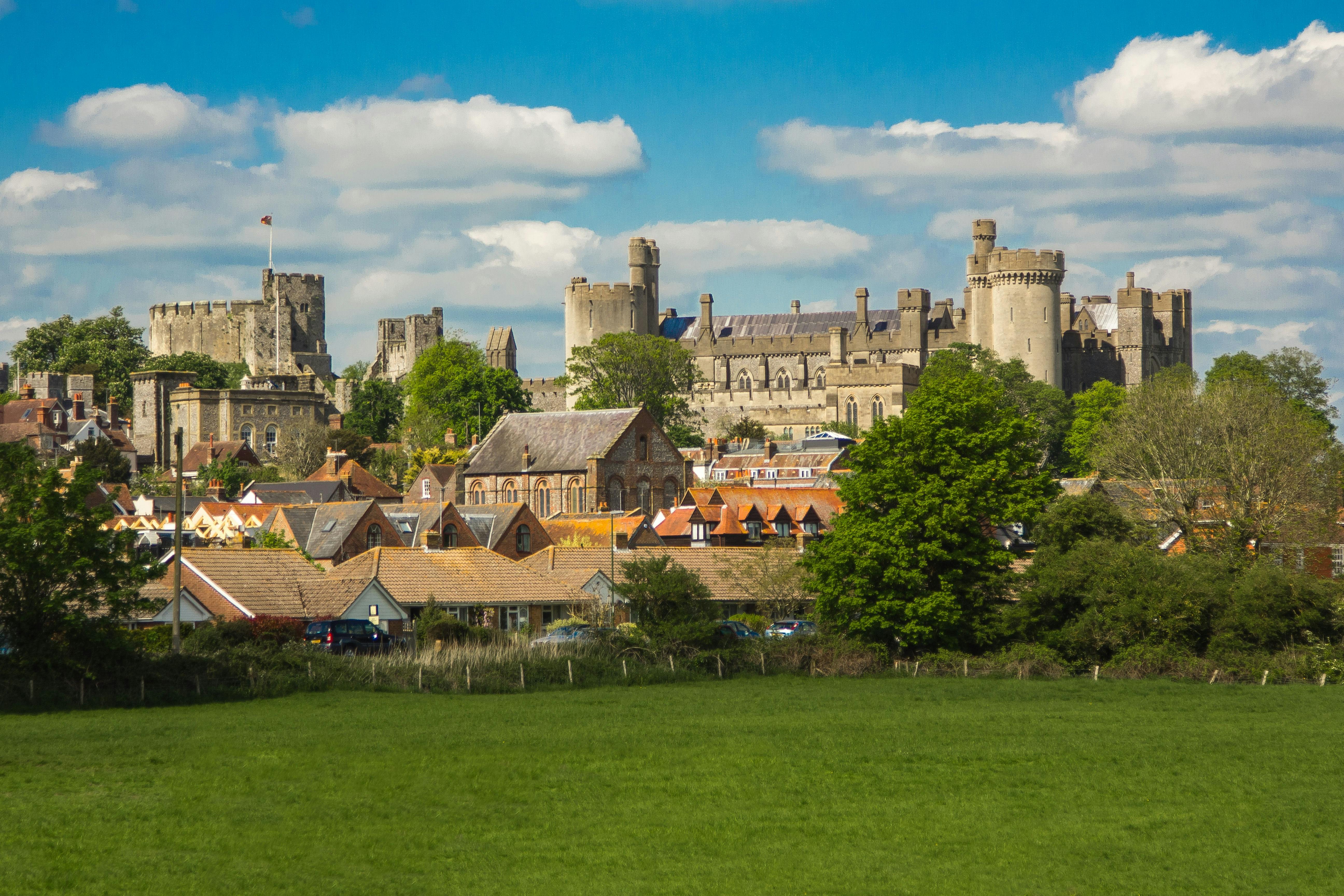
Vibes: South Downs, Country Estates, Visitor Friendly