
 Instagram
 TikTok

Uncork award-winning English wines and raise a glass of celebrated craft ale, all from the same family-run Yorkshire estate.

Jump to a section
Yorkshire is not the first county most people think of for English wine. That is partly why it is worth going. The climate is cooler and the growing season shorter than in the South East, which pushes producers towards cold-hardy varieties and forces a precision that warmer regions do not need. The results are wines with more acidity, more structure, and a character that is distinctly northern.
The producers are spread across a large county - from the flat Vale of York to the steep Holme Valley above Huddersfield and out to the sea at Robin Hood's Bay. This three-day route covers six established estates.

Vineyard events, new openings and the best deals - straight to your inbox.
No spam, unsubscribe anytime.
Yorkshire Heart Vineyard is near Nun Monkton, north-west of York, on flat riverside land in the Vale of Ouse. One of the larger Yorkshire producers and the most visitor-friendly: a cafe and wine bar on site, walk-in tastings available. Makes a wide range of whites, reds and sparkling wines.
Leventhorpe Vineyard near Woodlesford, south of Leeds, is one of the oldest vineyards in Yorkshire, established in 1985. The wines are made from cold-hardy varieties, all still wines. It is a working farm vineyard rather than a visitor destination - check the Leventhorpe listing for current visiting arrangements.
Sheveling Wine Estate at Holmfirth Vineyard sits on the steep valley sides above Holmfirth in the Holme Valley. The setting is dramatic: the vines face south over a narrow Yorkshire valley. Tours and tastings by appointment. The estate makes sparkling and still wines.
Ryedale Vineyards at Westow, near Malton in the Vale of Pickering, is a small family estate on the southern edge of the North York Moors. The Pinot Noir and sparkling wines are the ones to try. Tastings by appointment.
Goose Beck Vineyard near Felixkirk, south of Thirsk, is a small estate on the western slopes of the North York Moors. Tastings by appointment; works well combined with Ryedale on day three.
Robin Hood's Bay Vineyard is the most northerly and most dramatic stop on this route - planted on coastal slopes above the bay, exposed to the North Sea. The growing conditions are extreme. The wines are a genuine curiosity. Open on summer weekends; check ahead for current visiting arrangements.
Base in York for the first night. Yorkshire Heart is 20 minutes north-west of the city centre - the most accessible starting point, with no booking needed. If you want to add Leventhorpe the same day, it is 25 minutes south of York near Woodlesford, but check opening hours in advance. York has enough for an evening: good restaurants and a city worth an hour's walk.
Leventhorpe is 20 minutes south-west of York near Leeds - visit on the way to Holmfirth if you did not get there on day one. Sheveling at Holmfirth is another 30 minutes south-west. Book the tour in advance; the valley setting is worth arriving at in good light. Base in Huddersfield or Holmfirth for the second night, or push north to Harrogate (45 minutes) for more options.
Drive north-east from Harrogate towards Malton. Goose Beck at Felixkirk is roughly halfway - 40 minutes from Harrogate, just south of Thirsk. Ryedale Vineyards at Westow is another 30 minutes east. Both need advance bookings. From Ryedale, Robin Hood's Bay is an hour north through the Moors - only worth including if it is open and you have the time. The drive through Dalby Forest and down to the coast is good regardless.
Yorkshire vineyards are generally open April through October, with many limiting visits outside summer. Leventhorpe, Ryedale and Goose Beck require advance contact rather than walk-in visits. Yorkshire Heart is the exception: it operates more like a winery visitor centre and is the most reliably accessible stop on the route.
A car is essential. The distances are long, public transport between vineyards is non-existent, and the North York Moors roads are narrow. York is the most practical starting point, with good rail connections from London King's Cross (2 hours) and easy access to the motorway network.
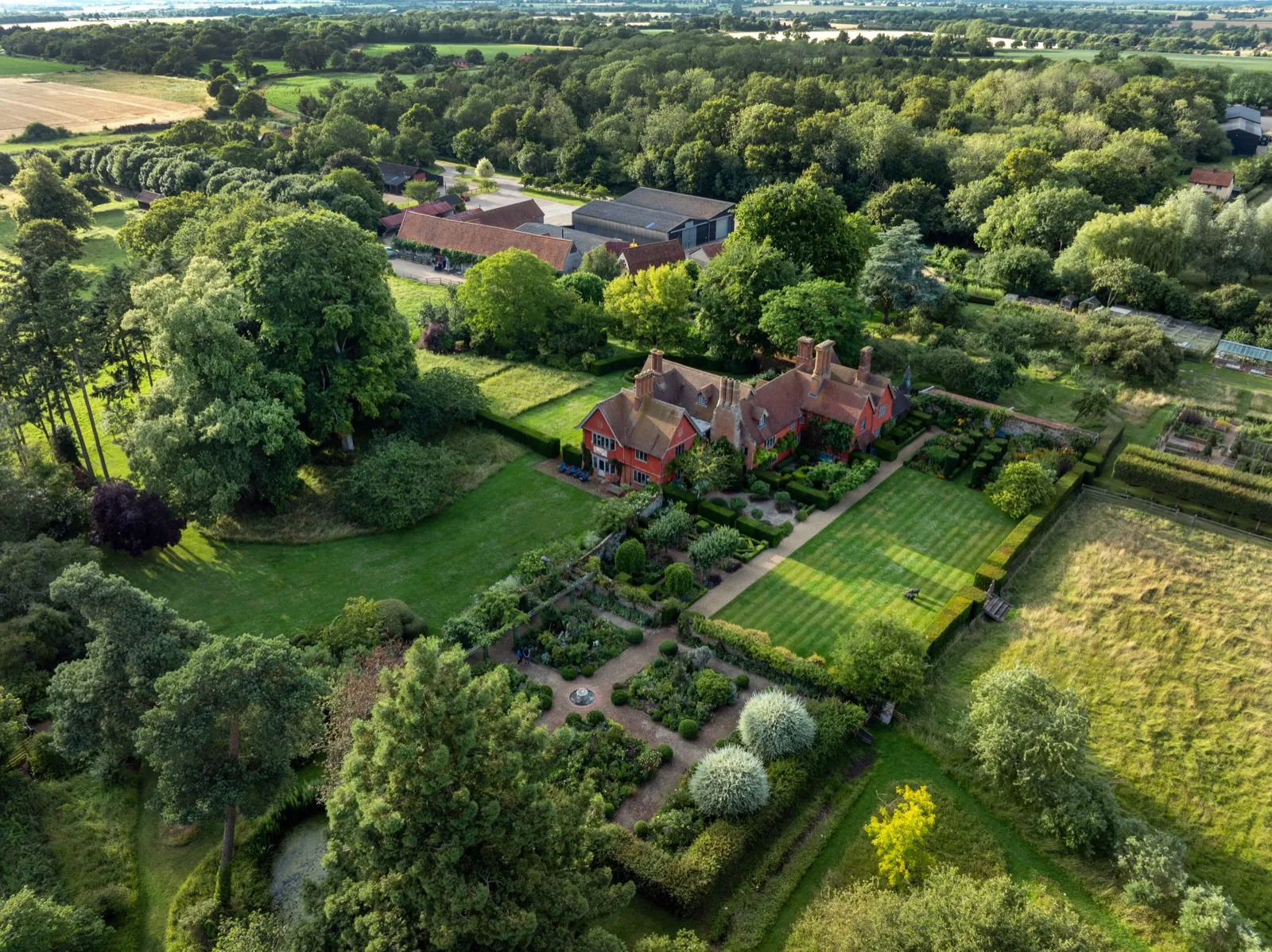
Two to three days through England's driest wine region, from Bury St Edmunds and Framlingham to the Essex coast at Mersea Island.

Three days through England's most celebrated wine county, from the Tenterden vineyards to the chalk hills above Canterbury. Several of the stops are founding members of the Wine Garden of England, Kent's official wine-tourism partnership.
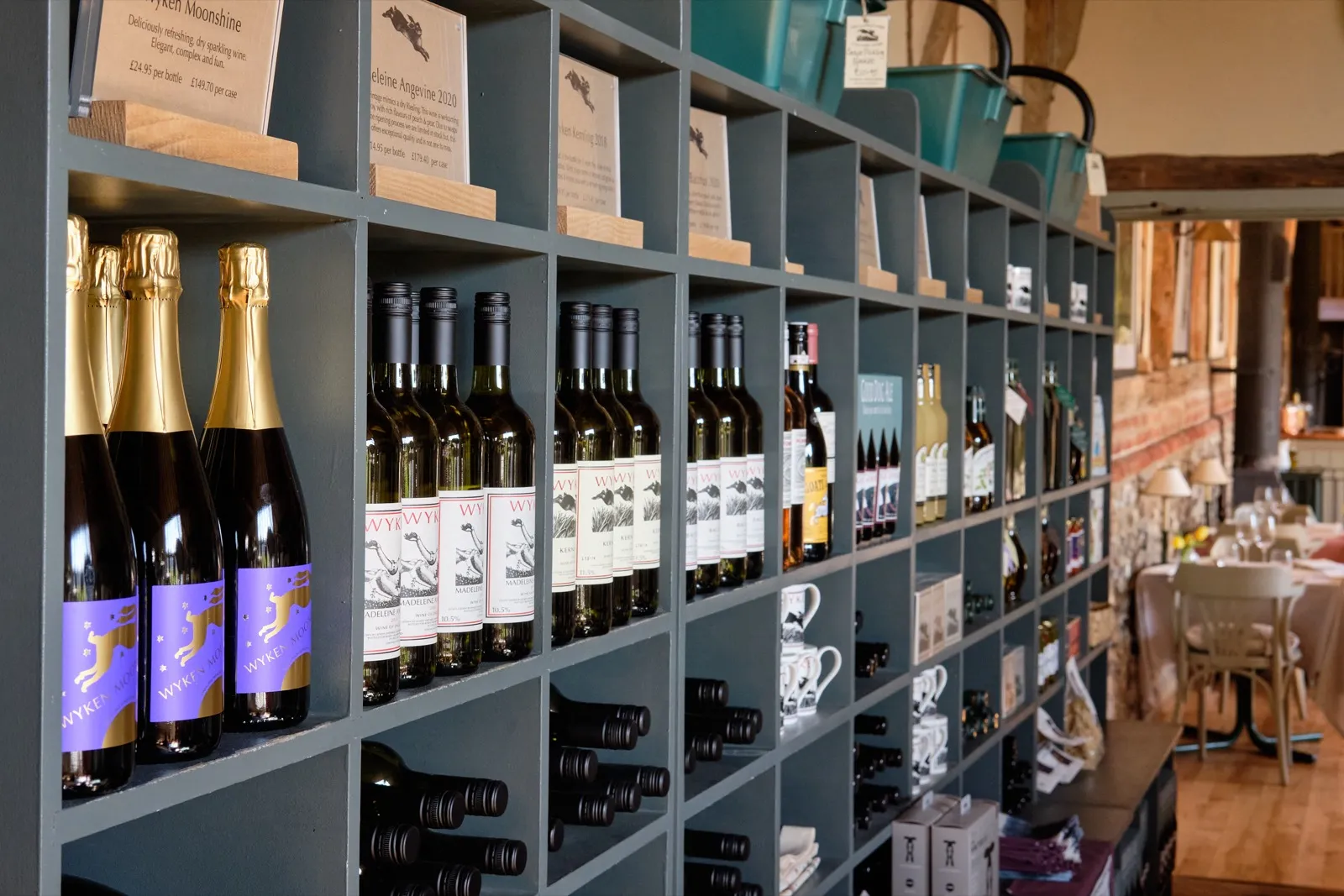
Eight vineyards across Suffolk, from a coastal outpost on the Shotley Peninsula to an estate with its own Michelin-recognised restaurant, brought together as the county's official wine trail.


