

Bacchus
Ask any English winemaker what their answer to Sauvignon Blanc is, and most will say the same word: Bacchus. Bred in Germany in the 1930s and largely ignored there since, it found a second life on this side of the Channel. It ripens early enough to survive a nervous English September, and makes a wine that smells like a hedgerow in June. If there's a house white for English wine right now, this is it.
What does Bacchus taste like?
Bone dry, light-bodied and high in acid, with an unmistakable lift of elderflower and gooseberry up front, then fresh-cut grass and a squeeze of lime underneath. Most are made to be drunk young, within a year or two of the vintage, though a few producers are starting to experiment with oak and lees ageing for something rounder.
That crisp, elderflower character makes Bacchus a natural match for classic summery English food: asparagus, spring vegetables, and fresh goat's cheese all work well, alongside light fish and shellfish. It has enough acidity to handle a bit of spice too, but its lighter alcohol means it can get overwhelmed by anything too rich or intensely flavoured.
Where is Bacchus grown?
Bacchus is planted right across England and Wales, but it concentrates most heavily in the South East, Kent, Sussex and Surrey, home to the largest single share of plantings. The West Country and East Anglia both carry a significant amount too, and Wessex is not far behind. A smaller number of vineyards further north and into Wales grow it as well, proof of how widely it has spread since English wine took off.
Does Bacchus win awards?
Yes: Bacchus and Bacchus-blend wines have picked up 436 medals at the WineGB Awards since 2022, 23 of them gold or better.
98 of those came in 2026 alone, up from 76 the year before.
For scale: Seyval Blanc, one of England's other well-established grapes, has picked up 146 medals over the same period, well behind Bacchus.
Vineyards that grow Bacchus
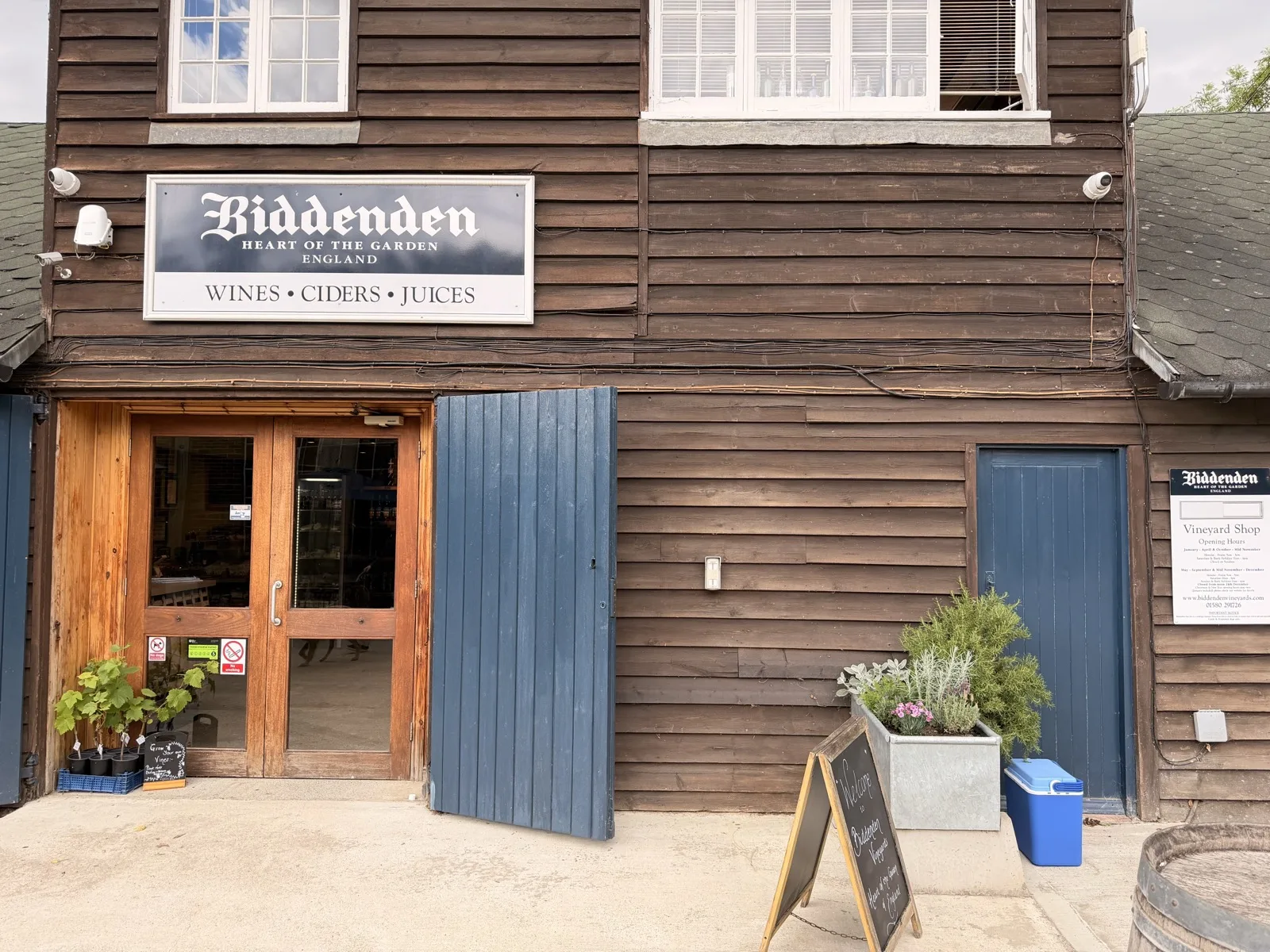
Biddenden Vineyards
One of the oldest Bacchus plantings in England, Biddenden has been growing it since the 1970s.
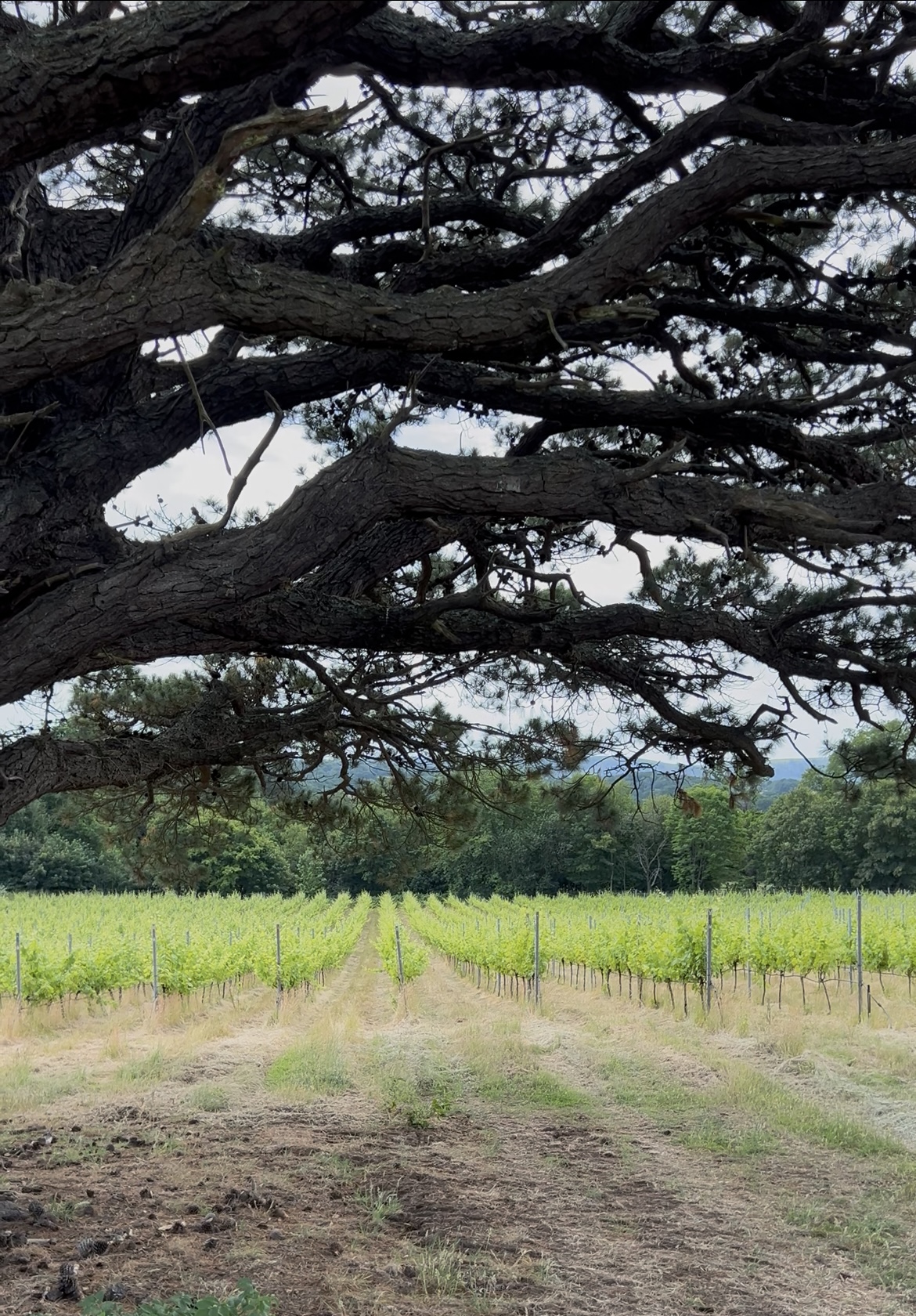
Stopham Vineyard
🏆 Silver, IEWA 2025Riper and rounder than most, Stopham's warm valley site pushes it closer to ripe stone fruit than the usual gooseberry and elderflower.
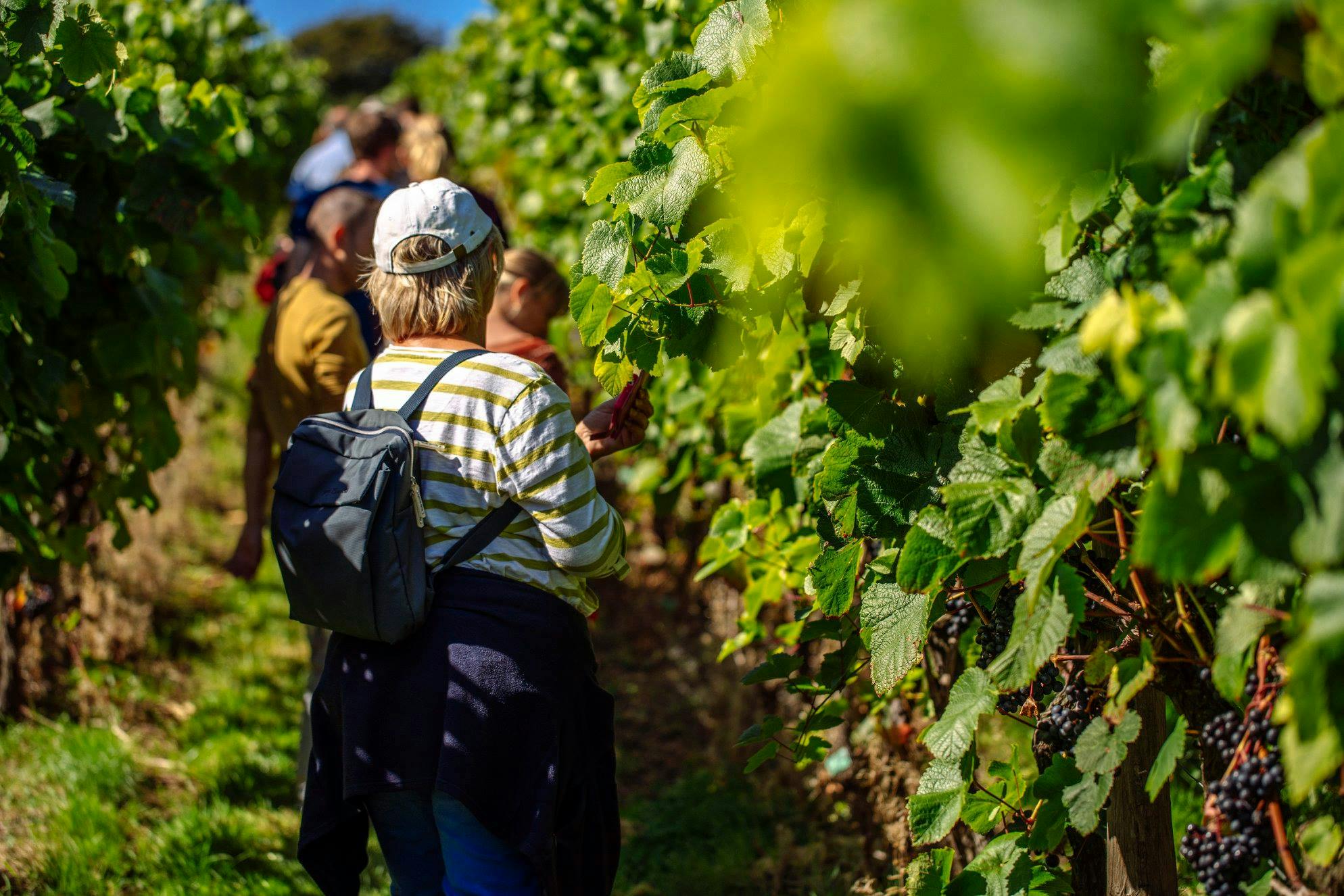
Polgoon Vineyard
Made with skin contact, so it drinks fuller and more savoury than most Bacchus, with less of the usual grassiness.

Nutbourne Vineyards
Nutbourne also blends Bacchus into their Sussex Reserve field blend, alongside Huxelrebe and Reichensteiner.

Kinsbrook Vineyard
Kinsbrook keeps several vintages of Bacchus on the list at once, an unusual level of depth for the grape.

Bacchus FAQs
Is Bacchus a red or white wine?
White. Almost all English Bacchus is made as a still white wine, though a small number of producers use it in rosé and sparkling blends. A few have gone further: Polgoon in Cornwall makes an orange Bacchus, fermented with skin contact for a fuller, more savoury style.
Is Bacchus sweet or dry?
Dry. Bacchus is almost always made bone dry, with high acidity.
Where does Bacchus come from?
Bacchus was bred in Germany in the 1930s but never caught on there. It found a home in England instead, where it now grows more widely than almost anywhere else.
Is Bacchus similar to Sauvignon Blanc?
It is often called England's answer to Sauvignon Blanc. Both are aromatic, high-acid whites, though Bacchus has its own distinct elderflower and hedgerow character.
What food goes well with Bacchus?
Its elderflower and citrus character pairs naturally with English spring produce: asparagus, goat's cheese, and light fish or shellfish dishes all work well. It has the acidity to handle a little spice, but its lighter alcohol means it suits delicate flavours better than rich, heavy ones.
How much does English Bacchus cost?
Most bottles fall between £12 and £20, with barrel-aged or blended styles sometimes higher. That makes it one of the more affordable English varieties: it is rarely used for the pricier sparkling wines the way Chardonnay or Pinot Noir are, so the cost of production stays lower.