

Pinot Noir
Pinot Noir is one of the oldest grapes still grown anywhere, documented in Burgundy since at least 1345 and probably cultivated there since Roman times. Thin-skinned, fussy about weather, and prone to disease, it has earned a nickname among growers everywhere it's planted: the heartbreak grape. England is no exception, but it's become one of the country's most important grapes regardless, the backbone of most English sparkling rosé and blanc de noirs, and increasingly a serious still red in its own right.
Pinot Noir at a glance
- Colour & skin
- Black grape, thin-skinned
- Appearance
- Small, tight, cone-shaped bunches, like a small pinecone
- Ripens
- Among the earlier-budding grapes grown in England, which brings a real spring frost risk
- Susceptible to
- Botrytis and powdery mildew, a direct result of its thin skin and tightly packed bunches
- Typical style
- Used in sparkling rosé and blanc de noirs blends, and increasingly bottled as a serious single-varietal still red; always dry
What does Pinot Noir taste like?
In sparkling wine, Pinot Noir brings body, red fruit and structure, the backbone that Chardonnay's finesse and Pinot Meunier's fruitiness build on. As a still red, expect something lighter than a classic Burgundy: red cherry, plum and a little spice, with soft tannins and real acidity, sometimes with earthy or smoky notes from a little oak.
Still English Pinot Noir suits salmon, duck, mushroom dishes or a simple roast chicken. Sparkling rosé and blanc de noirs work well as an aperitif or with shellfish. The best examples, still and sparkling, can age for several years or more.
Where is Pinot Noir grown?
Pinot Noir is planted at 214 vineyards across England and Wales, second only to Chardonnay, and it follows a similar pattern: the South East, especially Kent, Sussex and Hampshire, carries by far the largest share, on the same chalk soils that run under Champagne. It needs a warm, sheltered site to ripen reliably, so it's rarer further north.
Pinot Noir has been grown in Burgundy since at least the first century AD, with the first documented mention there in 1345, and its name comes from the French for 'pine' and 'black', a nod to its tightly packed, pine-cone-shaped clusters. It reached England in real quantity only recently, following the same warming growing seasons that have made Chardonnay viable here too.
Does Pinot Noir win awards?
Yes: Pinot Noir and Pinot Noir-blend wines have picked up 1216 medals at the WineGB Awards since 2022, 167 of them gold or better.
166 of those came in 2026 alone, down from 249 the year before.
For scale: Pinot Noir Précoce, one of England's other well-established grapes, has picked up 432 medals over the same period, well behind Pinot Noir.
Vineyards that grow Pinot Noir
Ashling Park Estate's 2022 Estate Selection Pinot Noir won Best Still Pinot Noir at the WineGB Awards, real proof of what the grape can do in England outside a blend. Gusbourne's Head Winemaker Charlie Holland says of their still wines that there's no hiding behind process, and their Pinot Noir bears that out. Two more still reds to seek out are Charles Palmer Vineyards' Still Pinot Noir and the Rabbit Hole Pinot Noir from Simpsons Wine Estate. Other vineyards worth watching include Chapel Down, Wiston Estate and Flint Vineyard.

Ashling Park Estate
Ashling Park's 2022 Estate Selection Pinot Noir won Best Still Pinot Noir at the WineGB Awards, real proof an English red can compete on its own terms.

Gusbourne
Head Winemaker Charlie Holland says of their still wines, there's no hiding behind processes. Their Pinot Noir shows red fruit, dark plum and black cherry with a smoky, earthy edge.



Other English grape varieties
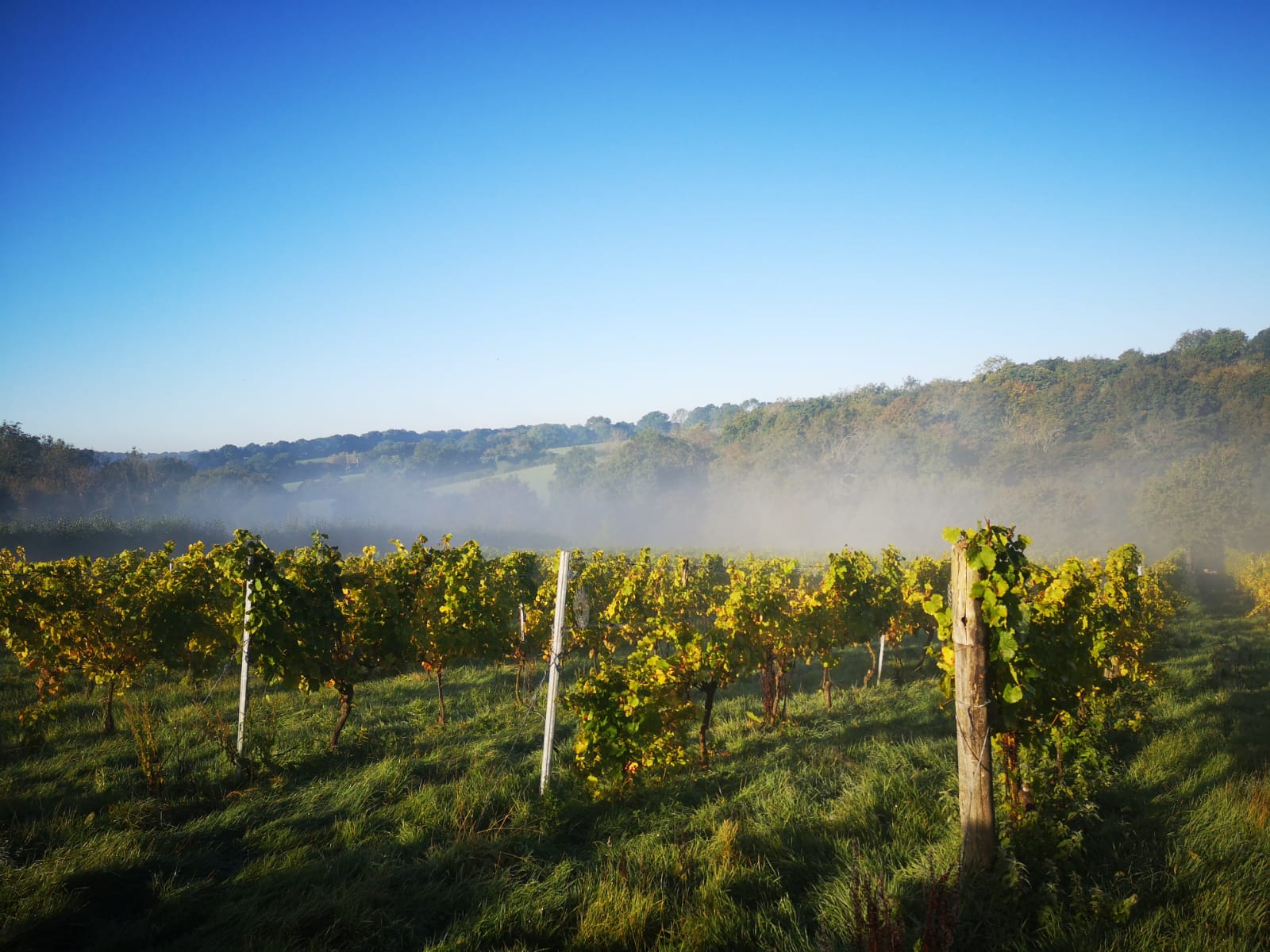
Pinot Noir Précoce
A naturally occurring mutation of Pinot Noir that ripens three weeks earlier, now one of England's most widely planted and most awarded red grapes.
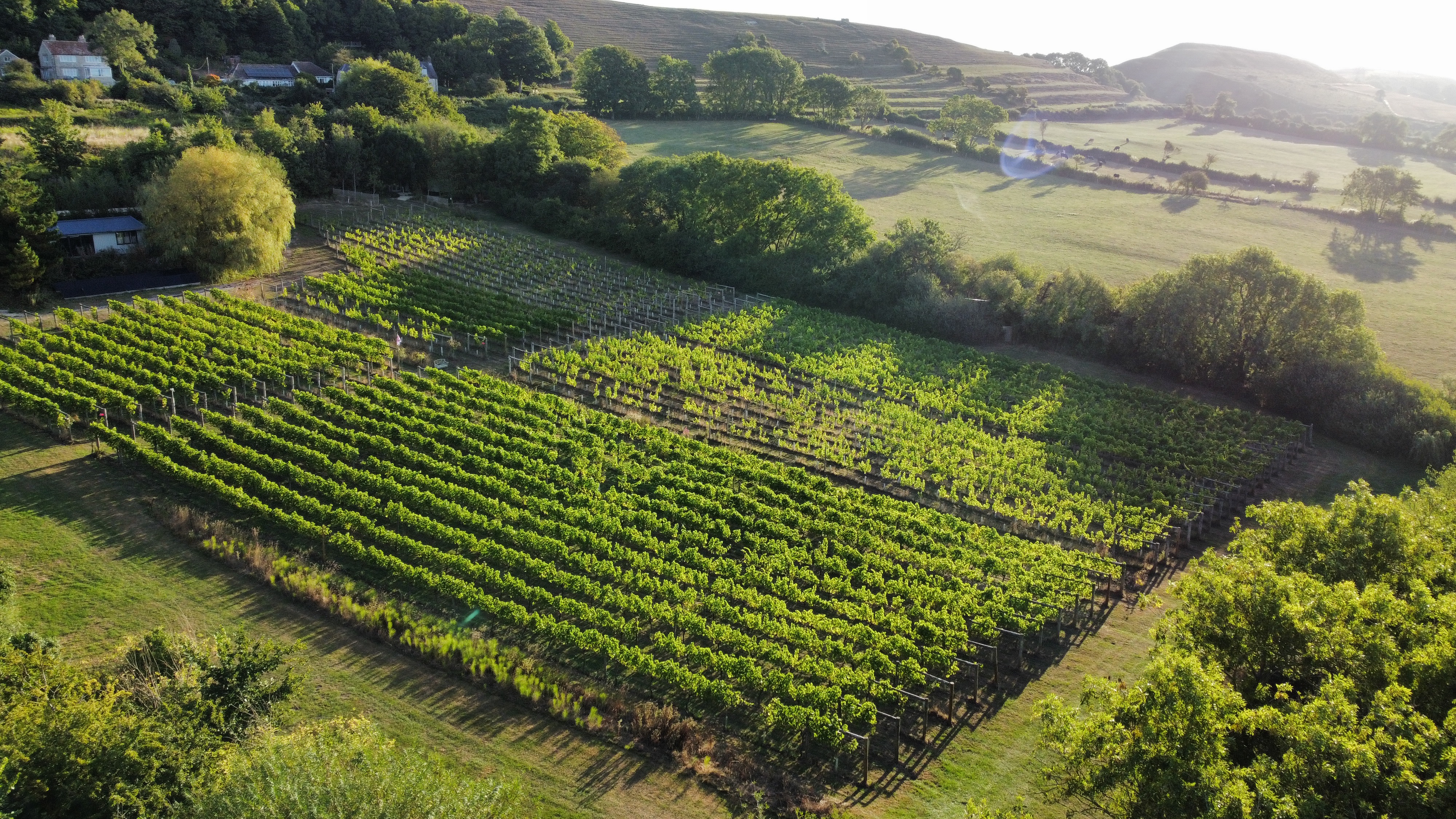
Regent
Germany's most widely planted hybrid red, Regent solves the same cool-climate problem as Rondo, and is grown at 66 vineyards across England and Wales.

Reichensteiner
Bred in Germany in 1939 for reliability rather than flair, Reichensteiner rounds out many of England's sparkling and still white blends without ever being the star.
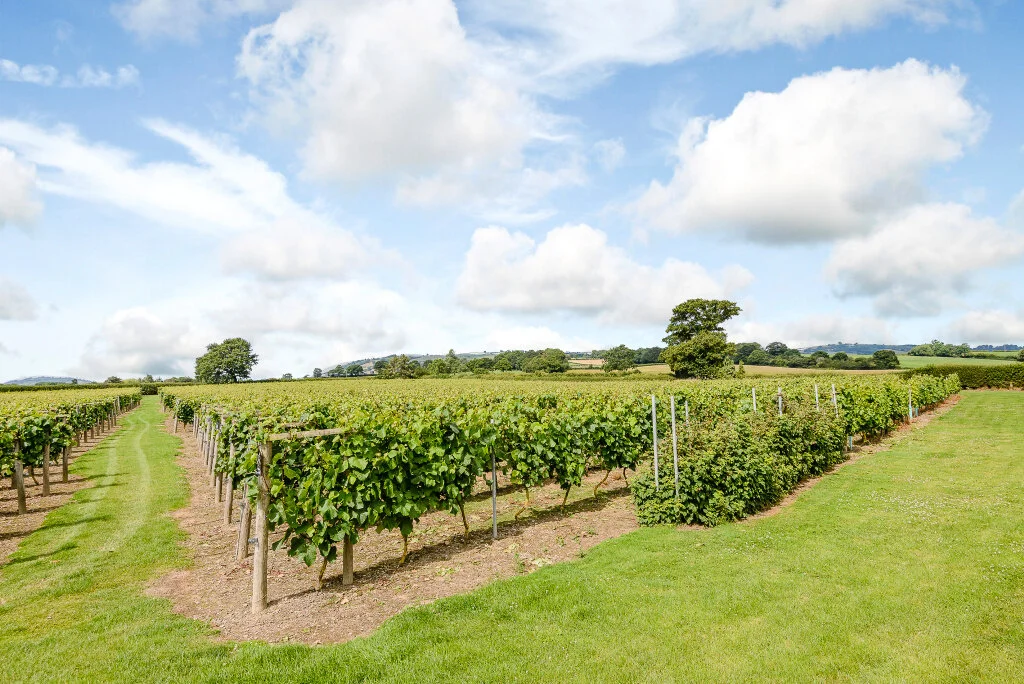
Rondo
Bred specifically to survive a cold, unpredictable climate, Rondo has become one of England's most widely planted red grapes.
Pinot Noir FAQs
Which English Pinot Noir is the best?
It depends on the style you like, but competition results give a useful steer. Lyme Bay Winery and Camel Valley are level on 21 medals each for Pinot Noir since 2022, including IWSC gold in 2025 for Lyme Bay's 2021 Pinot Noir and Decanter gold in 2024 for Camel Valley's 2023, with Gusbourne close behind on 17. For still Pinot Noir, Charles Palmer Vineyards and Simpsons Wine Estate are probably our favourites.
What is Pinot Noir?
An ancient red grape from Burgundy, documented there since at least 1345, and one of the parent grapes of Chardonnay itself. Its thin skin and sensitivity to weather have earned it the nickname 'the heartbreak grape'.
How does Pinot Noir compare to Pinot Noir Précoce?
Pinot Noir Précoce is a naturally occurring mutation of Pinot Noir that ripens around three weeks earlier, useful in England's shorter growing season. Genetically they're almost identical.
Is English Pinot Noir used for sparkling or still wine?
Mostly sparkling, as the backbone of rosé and blanc de noirs styles, but a growing number of producers make it as a serious still red too.
What does Pinot Noir taste like?
In sparkling wine, body and red fruit structure. As a still red, expect red cherry, plum and spice, with soft tannins and real acidity, lighter than a classic Burgundy.
Where is Pinot Noir grown in England?
Mostly in the South East, on the same chalk soils that run under Champagne: Kent, Sussex and Hampshire carry the largest share.
How much does English Pinot Noir cost?
Everyday still and sparkling bottlings sit between roughly £17 and £40, though prestige cuvées from top producers can run considerably higher.