

Seyval Blanc
Seyval Blanc has a strange legal status: the EU won't recognise it for quality wine because it isn't a pure Vitis vinifera vine, only a hybrid bred in France in the mid-20th century by Bertille Seyve and his son-in-law Victor Villard. England never had that problem. For decades it was the country's most widely planted grape, and it's still capable of real excellence: Breaky Bottom in Sussex has taken gold at the International Wine Challenge with it since 1993.
Seyval Blanc at a glance
- Also known as
- Seyve-Villard 5.276, often shortened to SV 5-276
- Colour & skin
- White grape, with a notably firm, thick skin
- Appearance
- Small, round, golden-yellow berries in tight, cylindrical bunches, often three or four to a shoot
- Ripens
- On the later side for an English white; needs an early-ripening site to finish reliably
- Susceptible to
- Botrytis once fully ripe, though otherwise strongly resistant to both mildews
- Typical style
- Made as both still white and traditional-method sparkling, usually dry, sometimes lightly oaked
What does Seyval Blanc taste like?
Expect a citrus-led wine with a mineral edge some compare to white Burgundy, crisp and cool-climate in character. It's often given a little oak and put through malolactic fermentation for a rounder finish, though many producers keep it clean and unoaked. In England it goes into still whites and, increasingly, into some of the country's most awarded traditional-method sparkling wines.
It pairs naturally with seafood and shellfish, oysters, crab, grilled prawns, and with goat's cheese, asparagus and other crisp, fresh dishes. Its acidity also holds up well to garlicky food and a classic pesto. Most is made to drink within a few years, though the best examples, like some of Breaky Bottom's cuvées, can age for well over a decade.
Where is Seyval Blanc grown?
Seyval Blanc is planted at 126 vineyards across England and Wales, more than any other grape covered on this site so far, and without any single dominant region: real examples turn up from Cornwall and Devon to Yorkshire, and from Kent to Pembrokeshire.
It was bred in France in the mid-20th century by Bertille Seyve and his son-in-law Victor Villard, crossing two earlier hybrid vines. Because it isn't a pure Vitis vinifera grape, the EU doesn't recognise it for quality wine production, an old point of friction with English growers who found it ripened reliably and made wine worth drinking regardless. It has also found a home in Canada and the eastern United States, particularly New York's Finger Lakes.
Does Seyval Blanc win awards?
Yes: Seyval Blanc and Seyval Blanc-blend wines have picked up 146 medals at the WineGB Awards since 2022, 8 of them gold or better.
13 of those came in 2026 alone, down from 32 the year before.
For scale: Bacchus, one of England's other well-established grapes, has picked up 436 medals over the same period, well ahead of Seyval Blanc.
Vineyards that grow Seyval Blanc
Breaky Bottom Vineyard, one of Sussex's first vineyards, founded in 1974 and still around 60% Seyval Blanc, picked up IWC gold in 2022. Godstone Vineyard, growing the grape since 1985, followed with IEWA gold in 2023. Albury Organic Vineyard, Surrey's only certified organic producer, is another name worth knowing. Other vineyards worth watching include Camel Valley and Velfrey Vineyard.
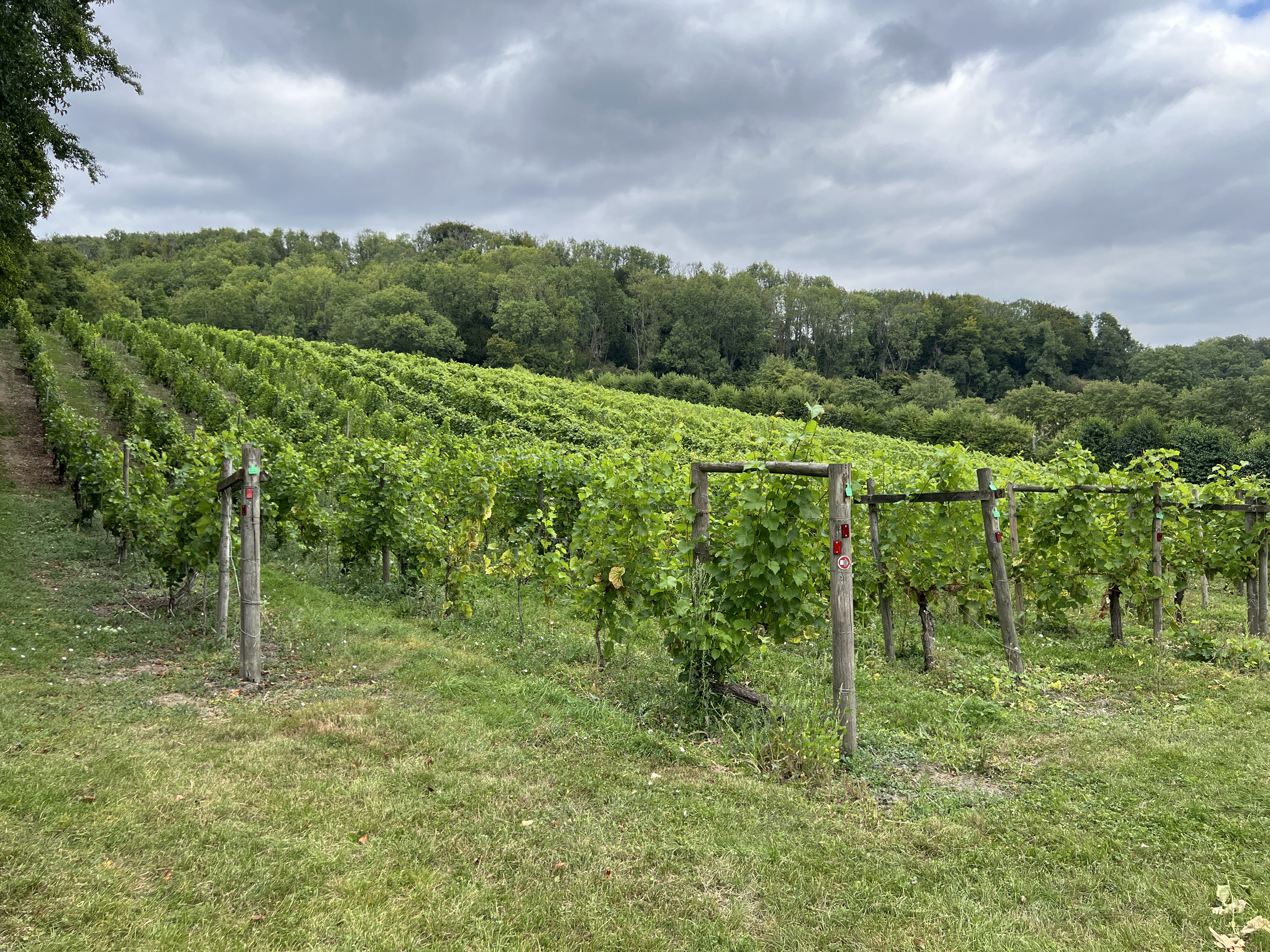
Godstone Vineyard
🏆 Gold, IEWA 2023The Deeley family has grown Seyval Blanc and Bacchus here since 1985, on free-draining Upper Greensand soil in the Surrey Hills. Their traditional-method sparkling is pale straw with English apple and pear before a citrus, mineral finish.
Breaky Bottom Vineyard
🏆 Gold, IWC 2022Founded by Peter Hall in 1974, one of Sussex's first vineyards, and still around 60% Seyval Blanc today. Every one of Breaky Bottom's cuvées, eight of them, won gold at the International Wine Challenge in 2022, and the vineyard's very first Seyval Blanc took gold back in 1993.
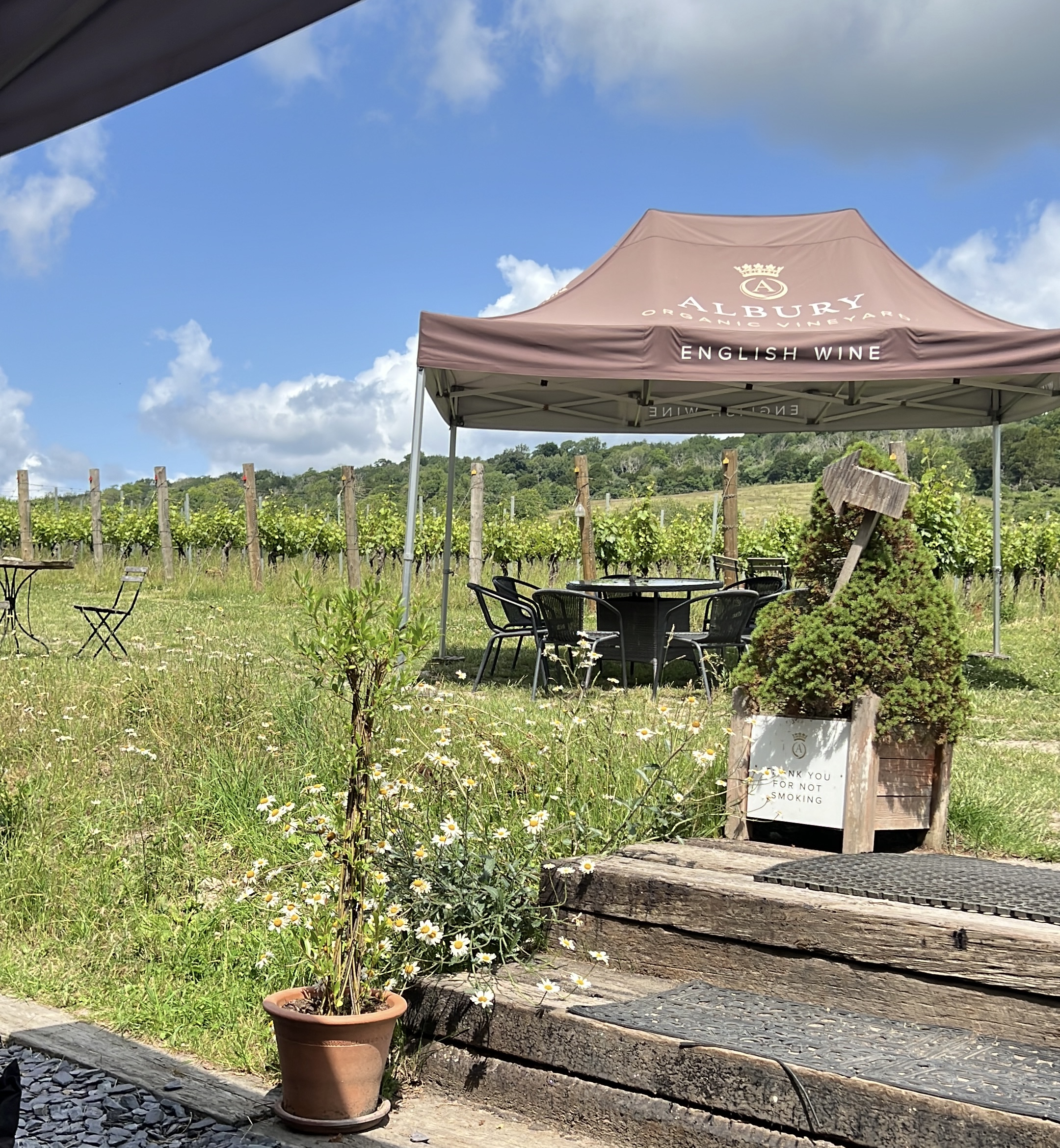
Albury Organic Vineyard
Surrey's only certified organic vineyard, and one of just a handful in England with biodynamic certification. Their Albury Estate Seyval Blanc is a single-varietal sparkling with elderflower, citrus and crisp green apple.
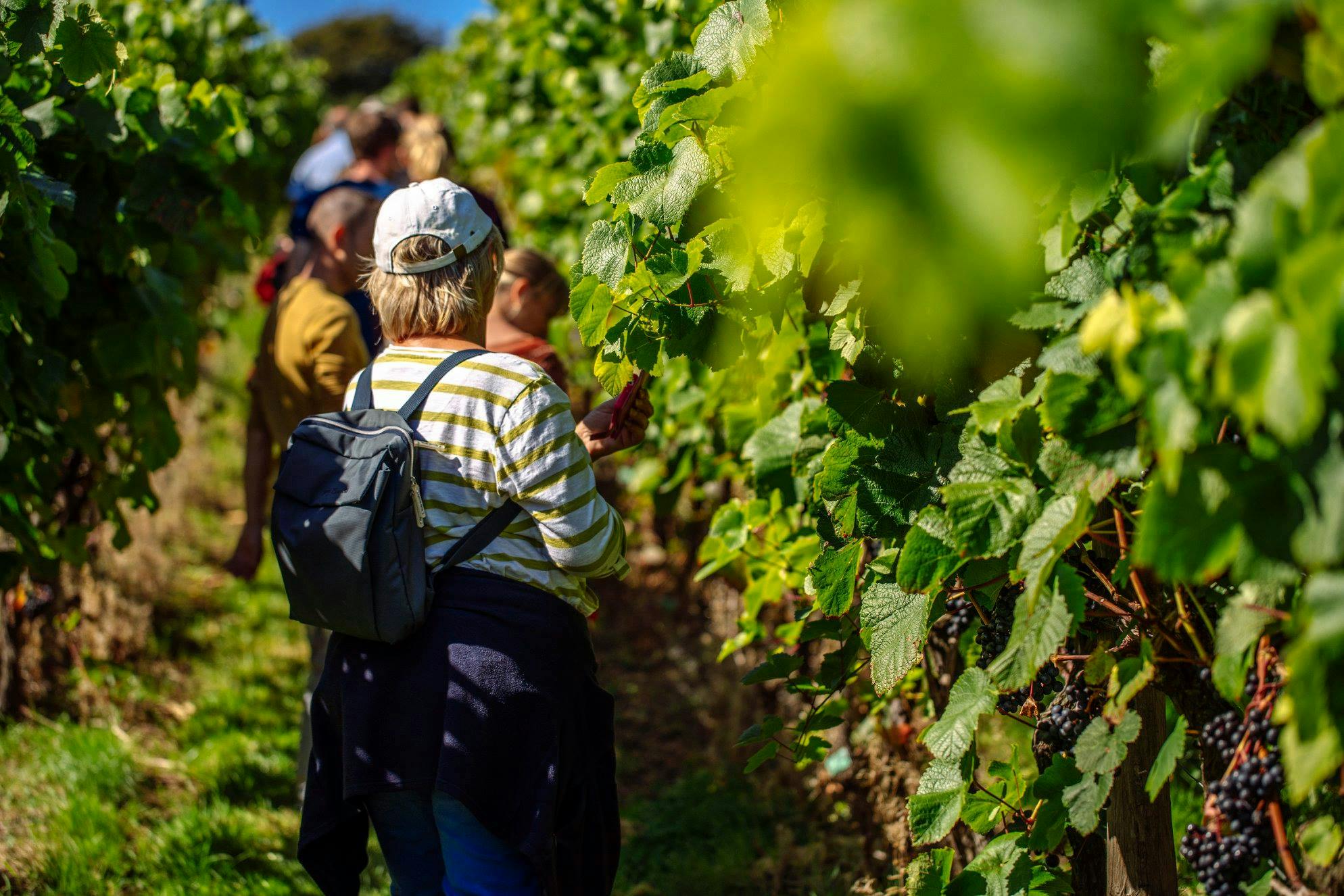
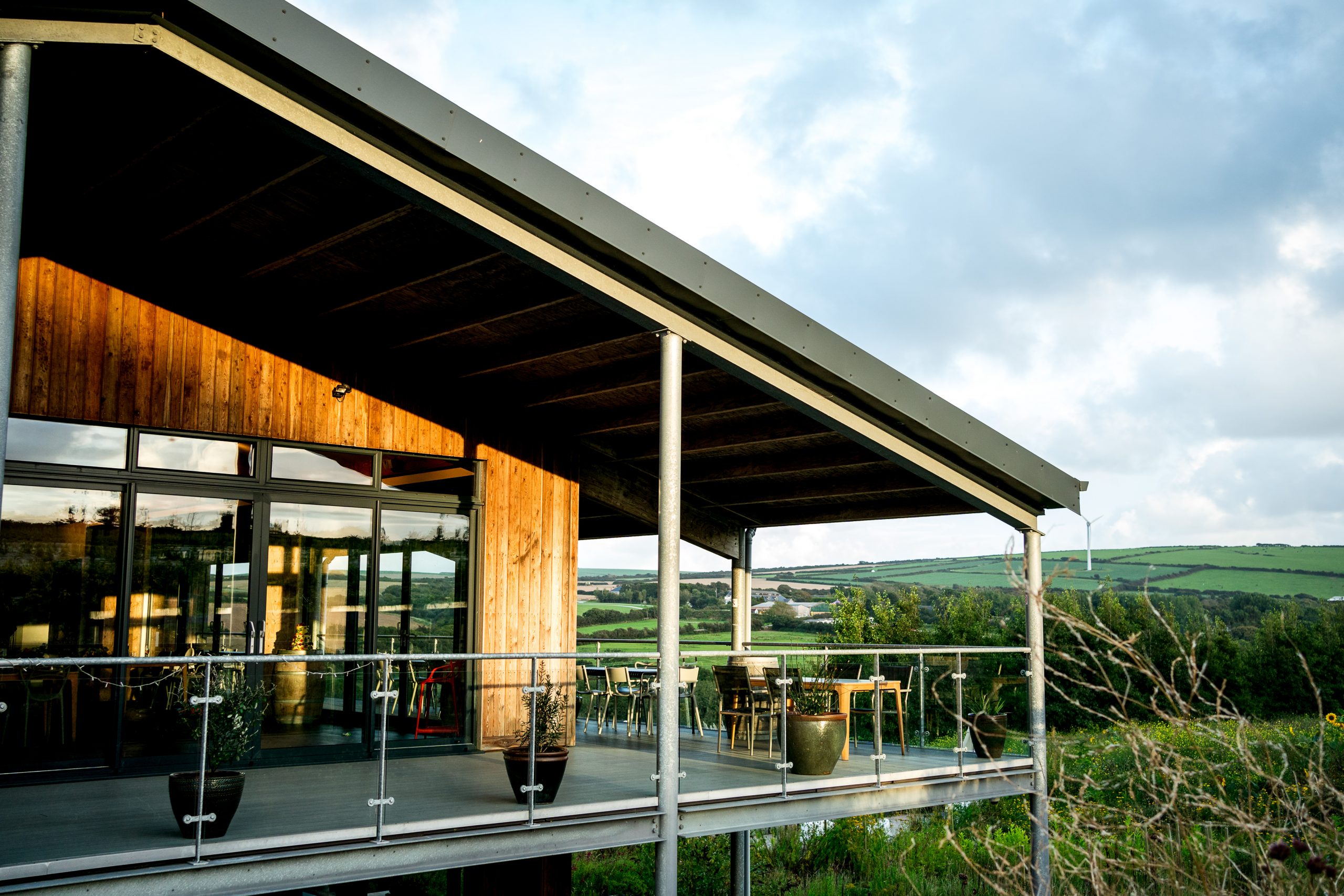
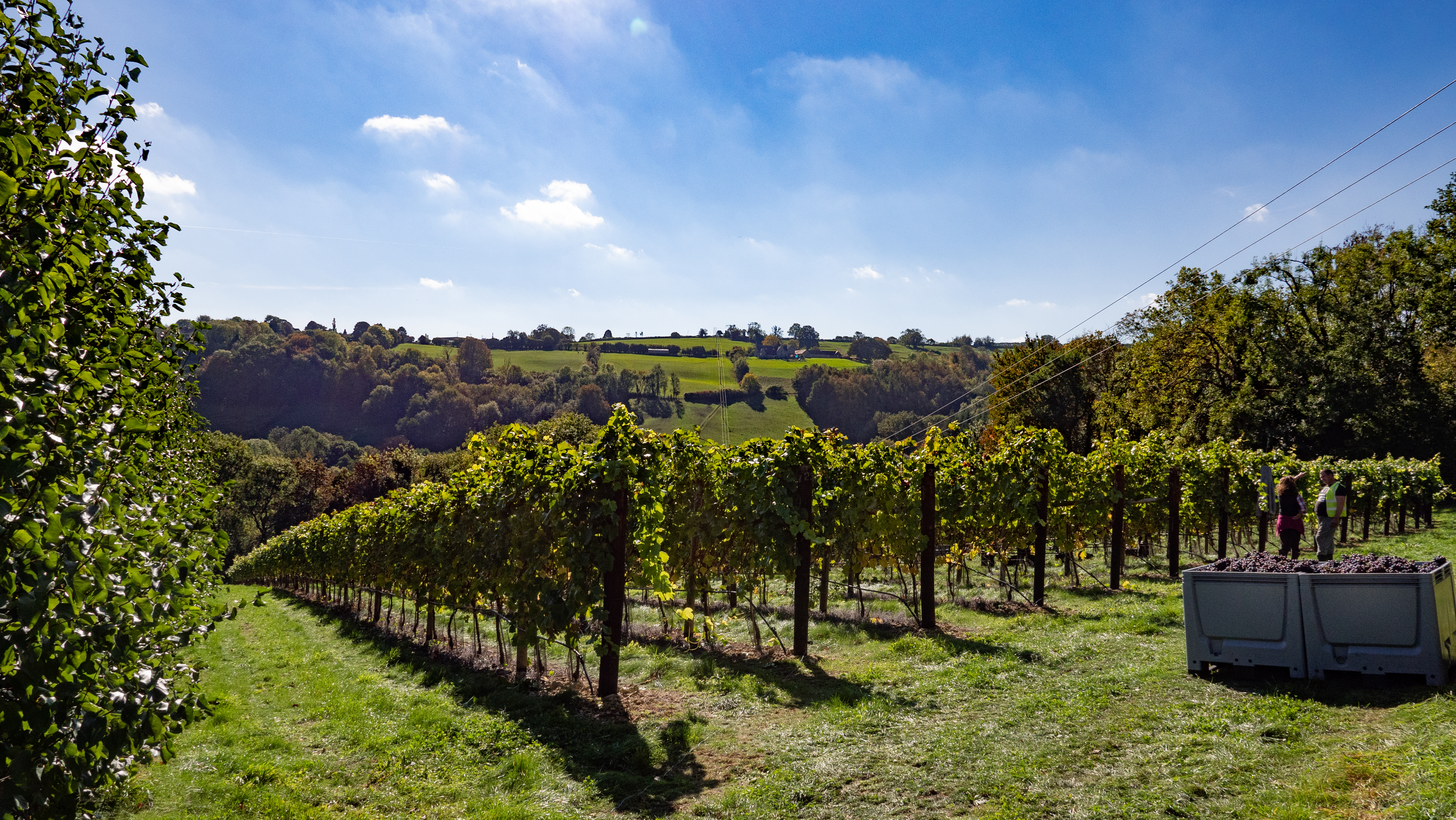
Woodchester Valley Vineyard
Picked up Silver at the WineGB 2026 for their Seyval Blanc.
Other English grape varieties
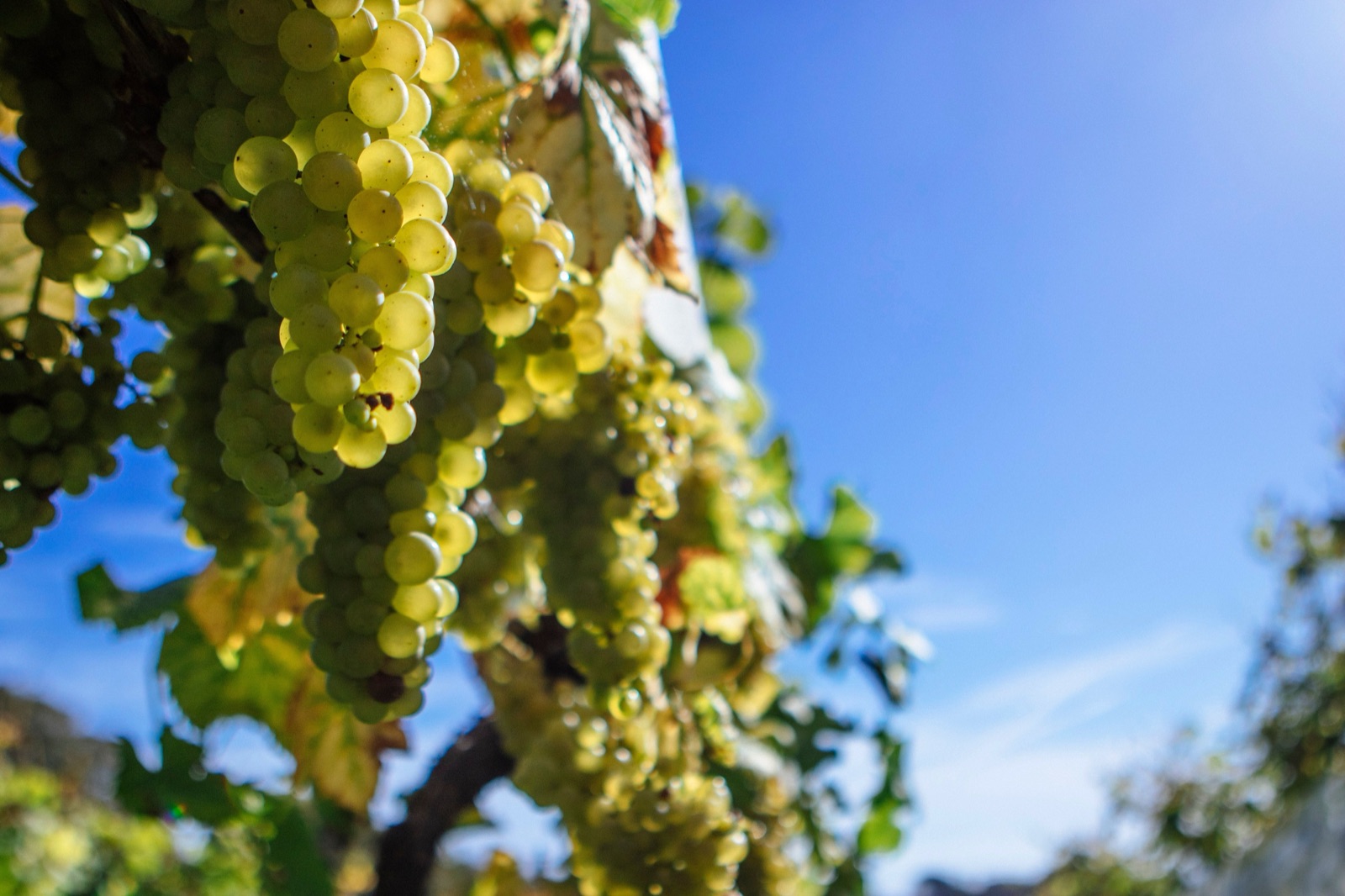
Bacchus
Bred in Germany in the 1930s and largely ignored there since, Bacchus found a second life in England, becoming the country's closest thing to a house white.
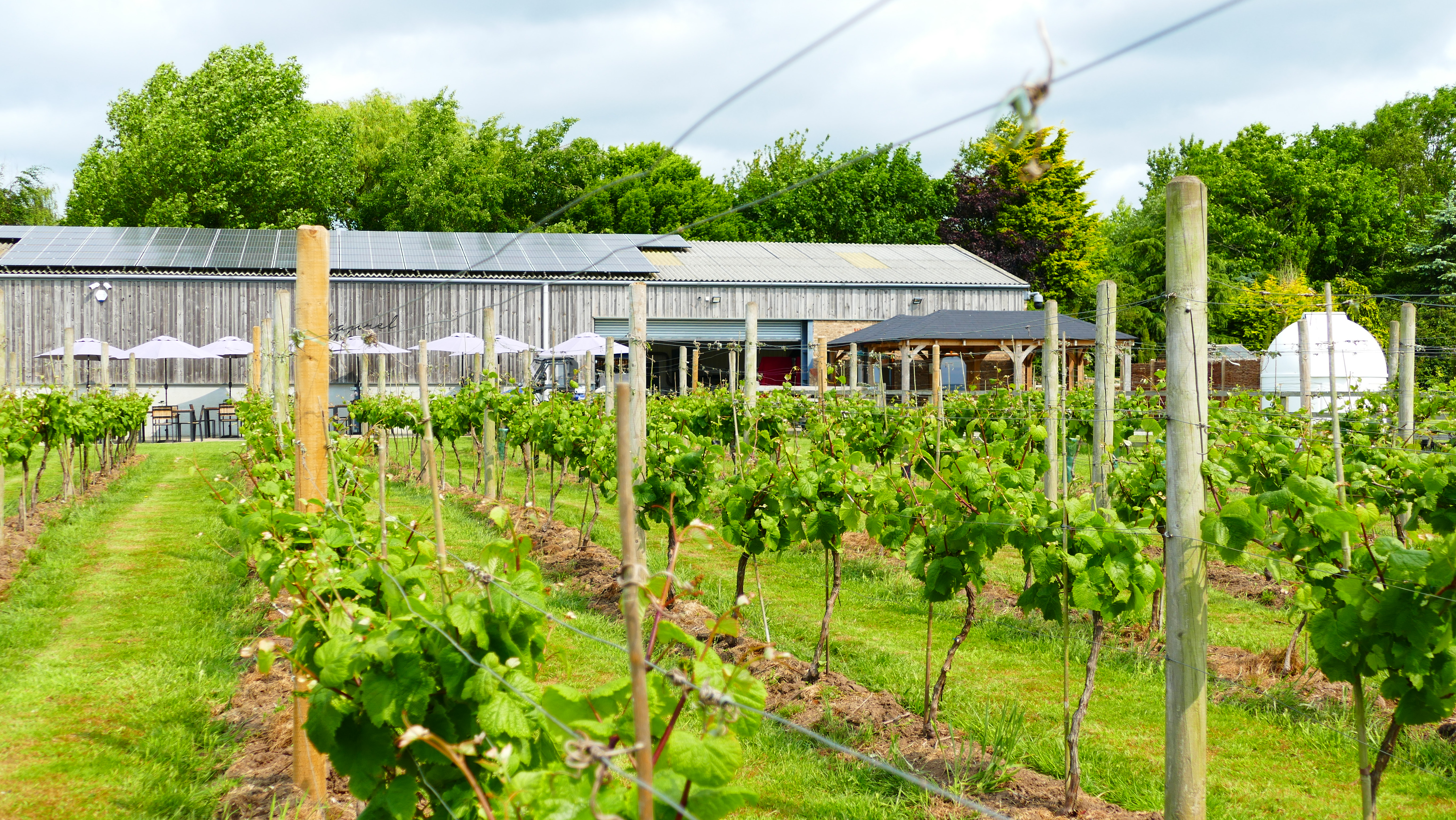
Phoenix
Bred in Germany from Bacchus itself, Phoenix is a lighter, more herbal cousin, aromatic and disease-resistant, grown in smaller pockets across England and Wales.
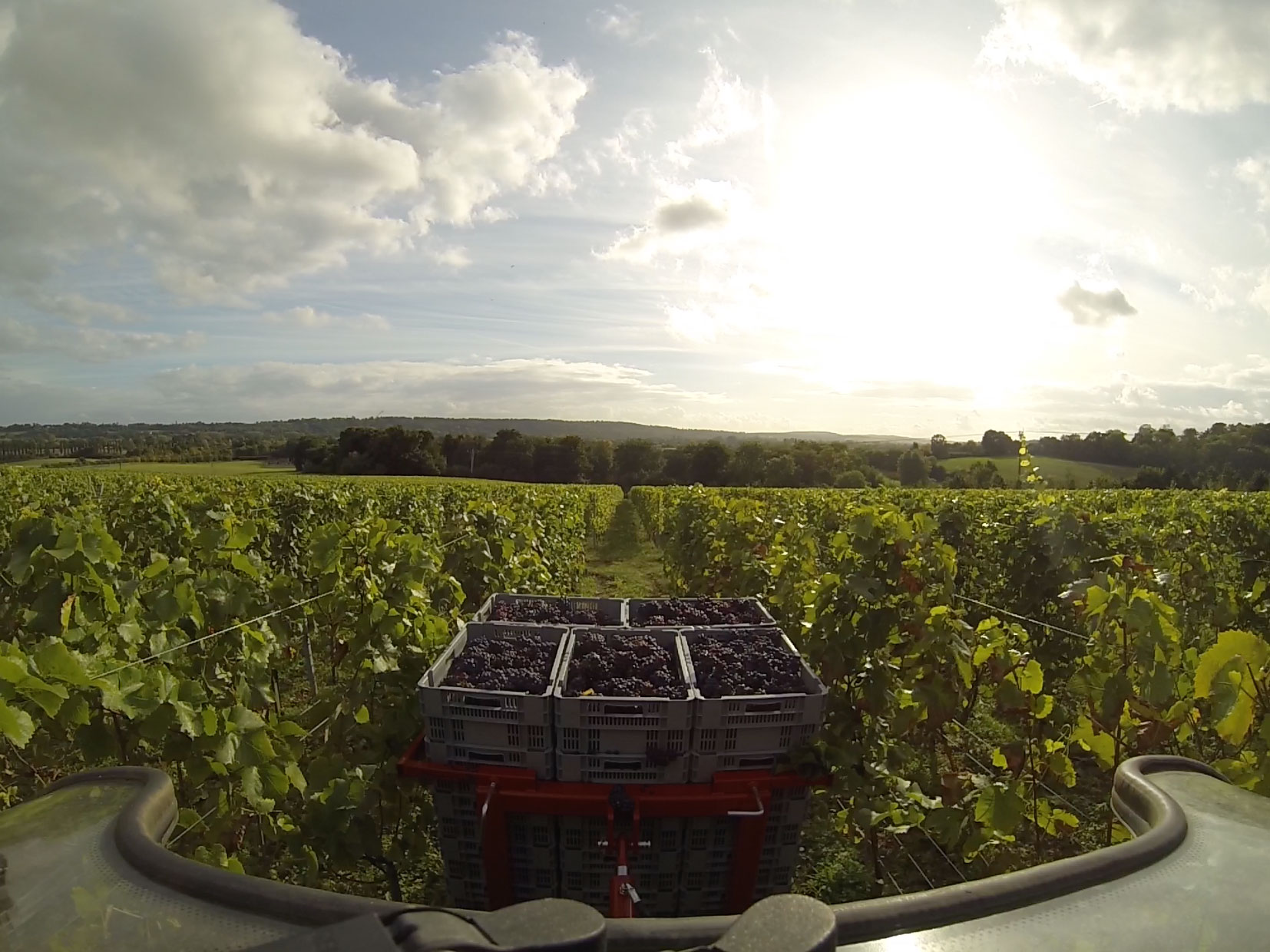
Pinot Meunier
The third grape of Champagne, rarely bottled alone in England, but when it is, it's a soft, red-fruited surprise.
Pinot Noir
England's second most planted grape, Pinot Noir is the backbone of most English sparkling rosé, and increasingly a serious still red in its own right.
Seyval Blanc FAQs
Which English Seyval Blanc is the best?
It depends on the style you like, but competition results give a useful steer. Breaky Bottom Vineyard, one of Sussex's first vineyards, has picked up the most medals for Seyval Blanc since 2022, 19 in all, including WineGB gold in 2025 for its Cuvée Brian James 2018. Kingsthorne follows with four, including an IWC trophy in 2025 for its Seyval Blanc Brut 2017, and Trevibban Mill and Godstone Vineyard are also regular medal winners.
What is Seyval Blanc?
A hybrid white grape bred in France in the mid-20th century by Bertille Seyve and Victor Villard, and for decades England's most widely planted grape variety.
Why isn't Seyval Blanc allowed in EU quality wine?
Because it's a hybrid rather than a pure Vitis vinifera vine. EU rules exclude hybrid grapes from quality wine classification, a rule English growers have long found frustrating given how well Seyval Blanc performs here.
What does Seyval Blanc taste like?
Citrus-led and crisp, with a mineral edge some compare to white Burgundy. It can be made clean and unoaked, or given a little oak and malolactic fermentation for a rounder style.
What food goes well with Seyval Blanc?
Seafood and shellfish suit it well, oysters, crab, grilled prawns, along with goat's cheese, asparagus and other crisp, fresh dishes. Its acidity also holds up to garlicky food and pesto.
Where is Seyval Blanc grown in England?
Everywhere: it's planted at more English and Welsh vineyards than any other grape on this site, without a single dominant region.
How much does English Seyval Blanc cost?
Most everyday bottles sit between roughly £15 and £30, though a handful of serious, long-aged cuvées, like some from Breaky Bottom, run considerably higher.