

Phoenix
Phoenix is one of Bacchus's own children. Bred in Germany in 1964 by Gerhardt Alleweldt, crossing Bacchus itself with the hybrid Villard Blanc, it inherited its parent's aromatic character along with real disease resistance and a productive habit that makes it easy to grow in a wet English summer.
Phoenix at a glance
- Also known as
- Gf. Ga-49-22, its breeding code
- Colour & skin
- White grape
- Appearance
- Large berries on long stalks, from a strong, upright vine
- Ripens
- Early to middle, both at veraison and harvest
- Susceptible to
- Low winter temperatures, since its canes stay relatively thick, though it resists both mildews and botrytis well
- Typical style
- Usually a single varietal, dry to off-dry and light-bodied
What does Phoenix taste like?
Expect an aromatic white with Muscat-like character: elderflower, sage and a herbal lift, backed by good citrus acidity and usually a lighter alcohol thanks to the cool climates it favours.
Its floral, herbaceous style makes a natural summer aperitif, and it works well alongside seafood, white meat and green vegetables, canapés, a simple grilled fish, or a light salad. Most is made to drink young.
Where is Phoenix grown?
Phoenix is planted at 39 vineyards across England and Wales, with real examples from Dorset and Monmouthshire in the south to East Riding of Yorkshire in the north, and pockets in the Midlands too, in Warwickshire, Northamptonshire and Lincolnshire.
It was bred in Germany in 1964 by Gerhardt Alleweldt at the Geilweilerhof Institute for Grape Breeding, the same institute behind Regent a few years later, crossing Bacchus with the hybrid Villard Blanc. Its disease resistance and productive, tightly packed bunches have made it a useful option for growers across England and Germany's own cooler regions alike, even if it has never grown as widely as its more famous parent.
Does Phoenix win awards?
Yes: Phoenix and Phoenix-blend wines have picked up 32 medals at the WineGB Awards since 2022.
4 of those came in 2026 alone, level with 4 the year before.
For scale: Bacchus, one of England's other well-established grapes, has picked up 436 medals over the same period, well ahead of Phoenix.
Vineyards that grow Phoenix
Laurel Vines, Vineyard & Winery, founded on what owner Ian Sargent has called a strange notion that wine could be made in Yorkshire, and Little Waddon Vineyard, growing it pesticide-free above Dorset's Jurassic Coast, are two of Phoenix's more distinctive homes in England. Other vineyards worth watching include White Castle Vineyard and Meopham Valley Vineyard.
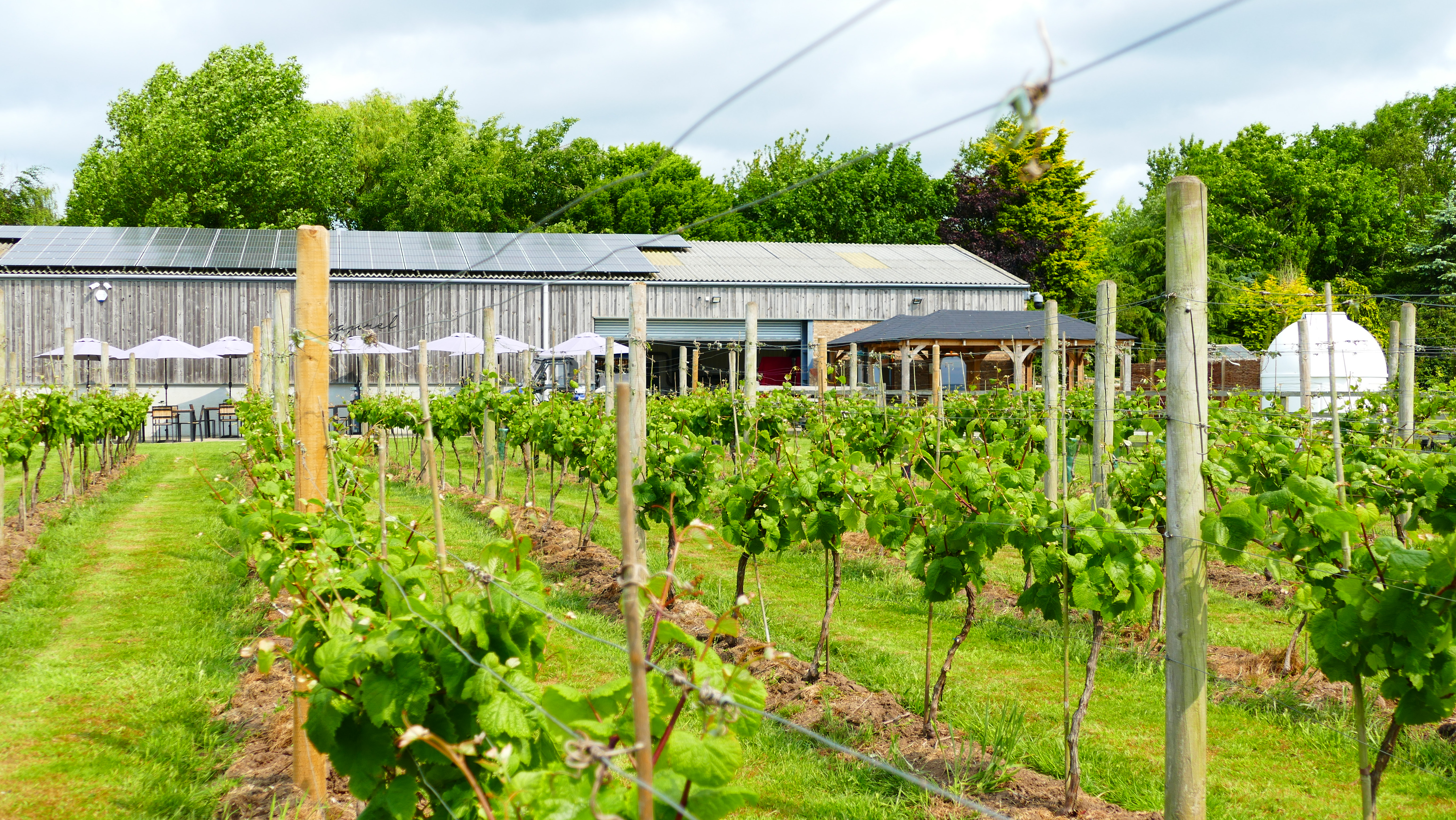
Laurel Vines, Vineyard & Winery
Founder Ian Sargent had, in his own words, a strange notion that they could make wine in Yorkshire. Phoenix is one of six grapes now grown on this East Riding site, alongside Rondo, Madeleine Angevine, Solaris, Ortega and Seyval Blanc.
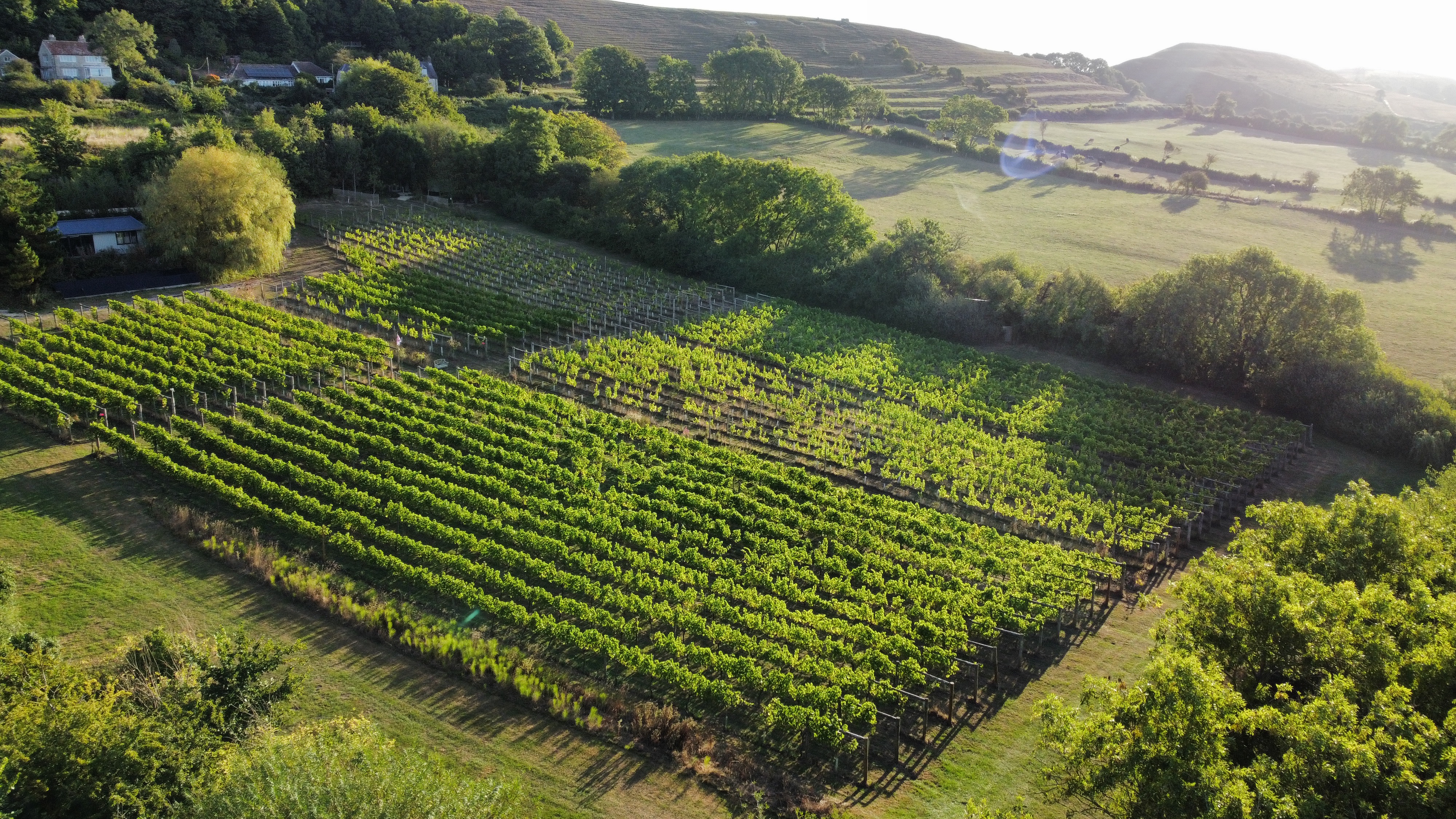
Little Waddon Vineyard
One of three grapes grown pesticide-free above Dorset's Jurassic Coast, alongside Seyval Blanc and Regent, going into their Willow White.
Other English grape varieties
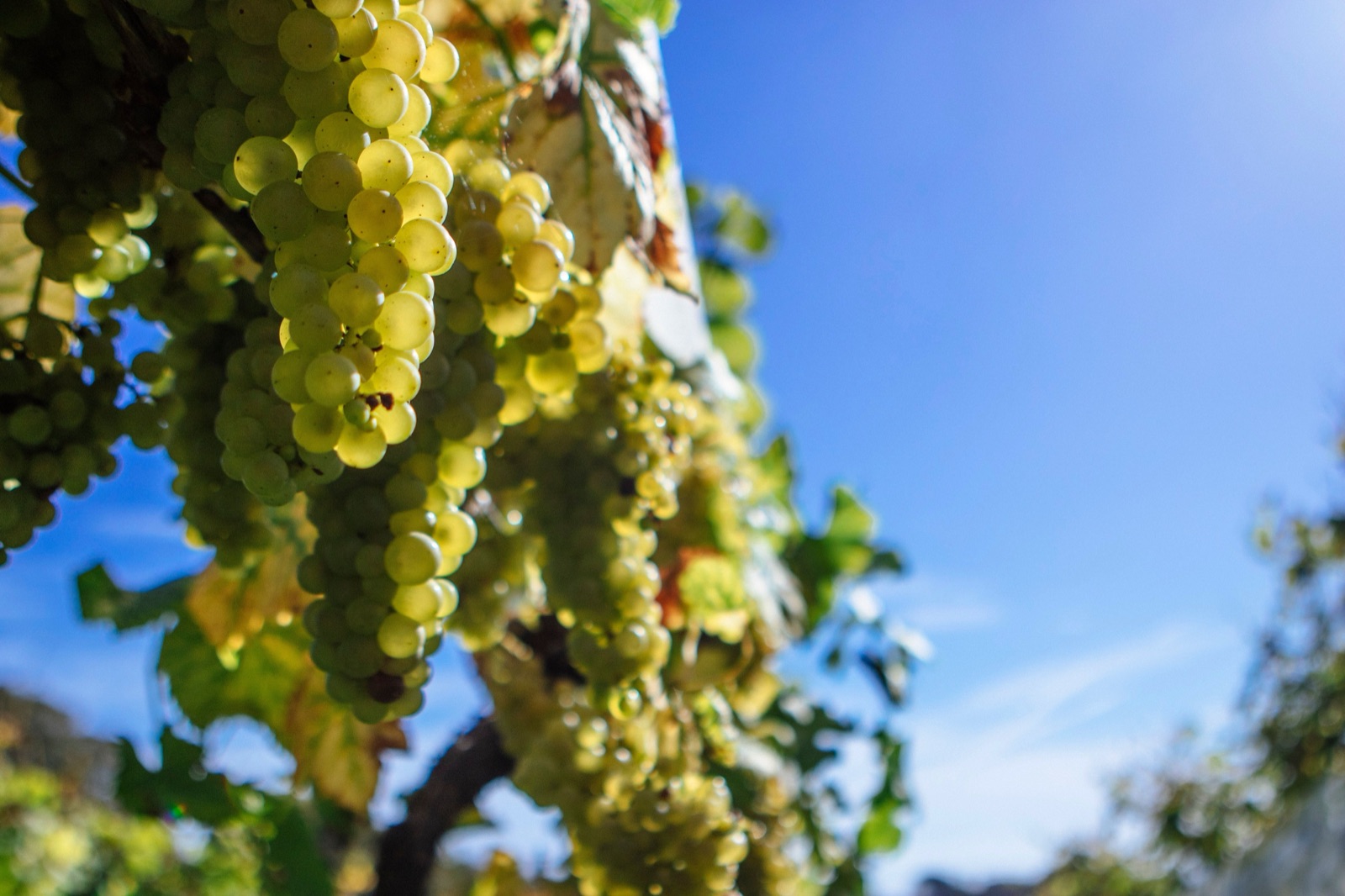
Bacchus
Bred in Germany in the 1930s and largely ignored there since, Bacchus found a second life in England, becoming the country's closest thing to a house white.

Schönburger
Released in 1979 from the same German institute that bred Bacchus and Ortega, Schönburger is one of England's rarest grapes, an intensely perfumed pink-skinned white suited to a maritime climate.
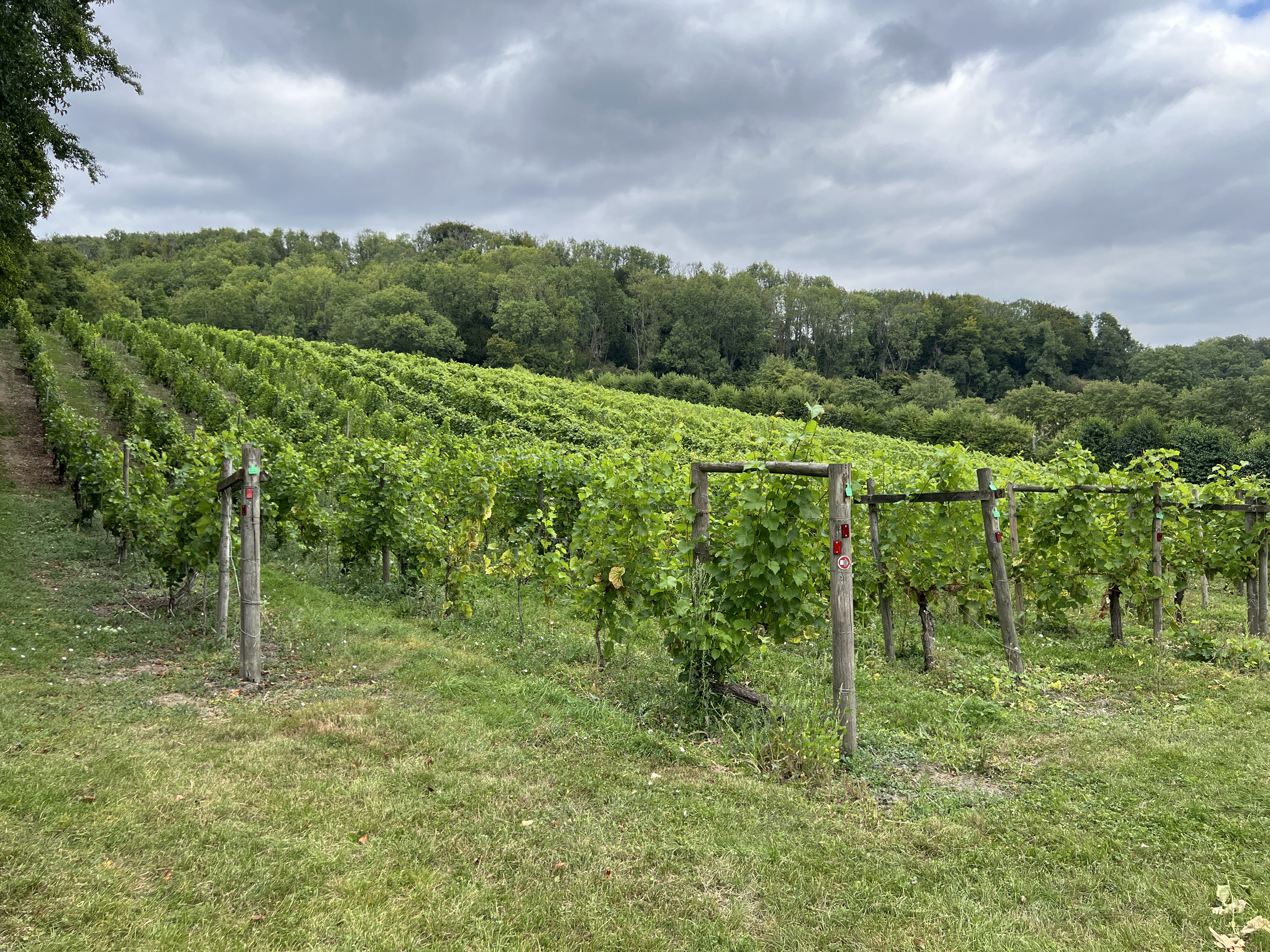
Seyval Blanc
Bred in France and shut out of EU quality wine for being a hybrid, Seyval Blanc was for decades England's most planted grape, and Breaky Bottom has taken gold with it since 1993.
Siegerrebe
Bred in Germany in 1929, Siegerrebe is Ortega's own parent grape, an intensely perfumed, low-acid white now grown in some of England's coolest vineyard sites.
Phoenix FAQs
Which English Phoenix is the best?
It depends on the style you like, but competition results give a useful steer. Phoenix is a small grape for awards, but White Castle Vineyard's Gwin Gwyn stands out: it has picked up WineGB bronze three times, in 2022, 2023 and 2026.
What is Phoenix?
An aromatic white grape bred in Germany in 1964, crossing Bacchus with the hybrid Villard Blanc. It inherited much of Bacchus's floral character along with real disease resistance.
How does Phoenix compare to Bacchus?
They're closely related: Phoenix is bred from Bacchus. Phoenix tends to be lighter and more herbal, with elderflower, sage and citrus, while Bacchus is drier and more grassy.
What does Phoenix taste like?
Aromatic and Muscat-like, with elderflower, sage and a herbal lift, backed by good citrus acidity and usually a lighter alcohol.
What food goes well with Phoenix?
It makes a natural summer aperitif, and works well with seafood, white meat and green vegetable canapés, a simple grilled fish, or a light salad.
Where is Phoenix grown in England?
Across the country in smaller pockets, with real examples in Dorset, Monmouthshire, Yorkshire, Warwickshire, Northamptonshire and Lincolnshire.
How much does English Phoenix cost?
Most bottles sit between roughly £14 and £28.