

Dornfelder
Dornfelder has a nickname among English growers: the bank manager's grape. Bred in Germany in the mid-1950s by August Herold, and named after Immanuel Dornfeld, a founder of the Weinsberg school of viticulture, it's famous for prolific yields, with some bunches weighing close to a kilo. That reliability, plus good colour and acidity even in a cool English summer, has made it one of the country's most useful red grapes, even if it rarely gets top billing on its own.
Dornfelder at a glance
- Also known as
- We. S 341, its breeding code
- Colour & skin
- Black grape, thick-skinned
- Appearance
- Large, loose bunches of large, round, blue-black berries, with some bunches close to a kilo
- Ripens
- Later than most English reds, needing a good run of late-summer sun
- Susceptible to
- Downy mildew more than most, and a late, heavy harvest can weaken its winter hardiness, though it otherwise resists botrytis and powdery mildew well
- Typical style
- Most often blended with a lighter red like Pinot Noir or Rondo; dry, full-coloured and more tannic than most English reds
What does Dornfelder taste like?
Expect a deep, dark colour and flavours of blackberry, plum and dark cherry, with good acidity and more tannin than most English reds. Its thick skins need a good run of late-summer sun to soften those tannins fully, which is why it's often blended with a lighter grape like Pinot Noir or Rondo rather than bottled entirely on its own.
It pairs well with red meat and richer dishes: think roast lamb, a beef stew, or a barbecue, and it can handle a bit of spice too, from a curry or Mexican food. A little oak ageing suits it well, adding body without overwhelming the fruit.
Where is Dornfelder grown?
Dornfelder is planted at 34 vineyards across England, from Kent and West Sussex in the South East to Cornwall, Warwickshire and Bedfordshire. It's a minority grape everywhere it grows, almost always a supporting player in a red or rosé blend rather than the reason a vineyard is known.
It was bred in Germany in the mid-1950s by August Herold at the grape breeding institute in Weinsberg, crossing two of his own earlier creations, Helfensteiner and Heroldrebe. It's named after Immanuel Dornfeld, a founder of Weinsberg's school of viticulture. Outside Germany it has spread furthest in England and North America, prized for the deep colour and reliable yields it can bring to a cool-climate red.
Does Dornfelder win awards?
Yes: Dornfelder and Dornfelder-blend wines have picked up 43 medals at the WineGB Awards since 2022.
4 of those came in 2026 alone, down from 5 the year before.
For scale: Regent, one of England's other well-established grapes, has picked up 33 medals over the same period, well behind Dornfelder.
Vineyards that grow Dornfelder
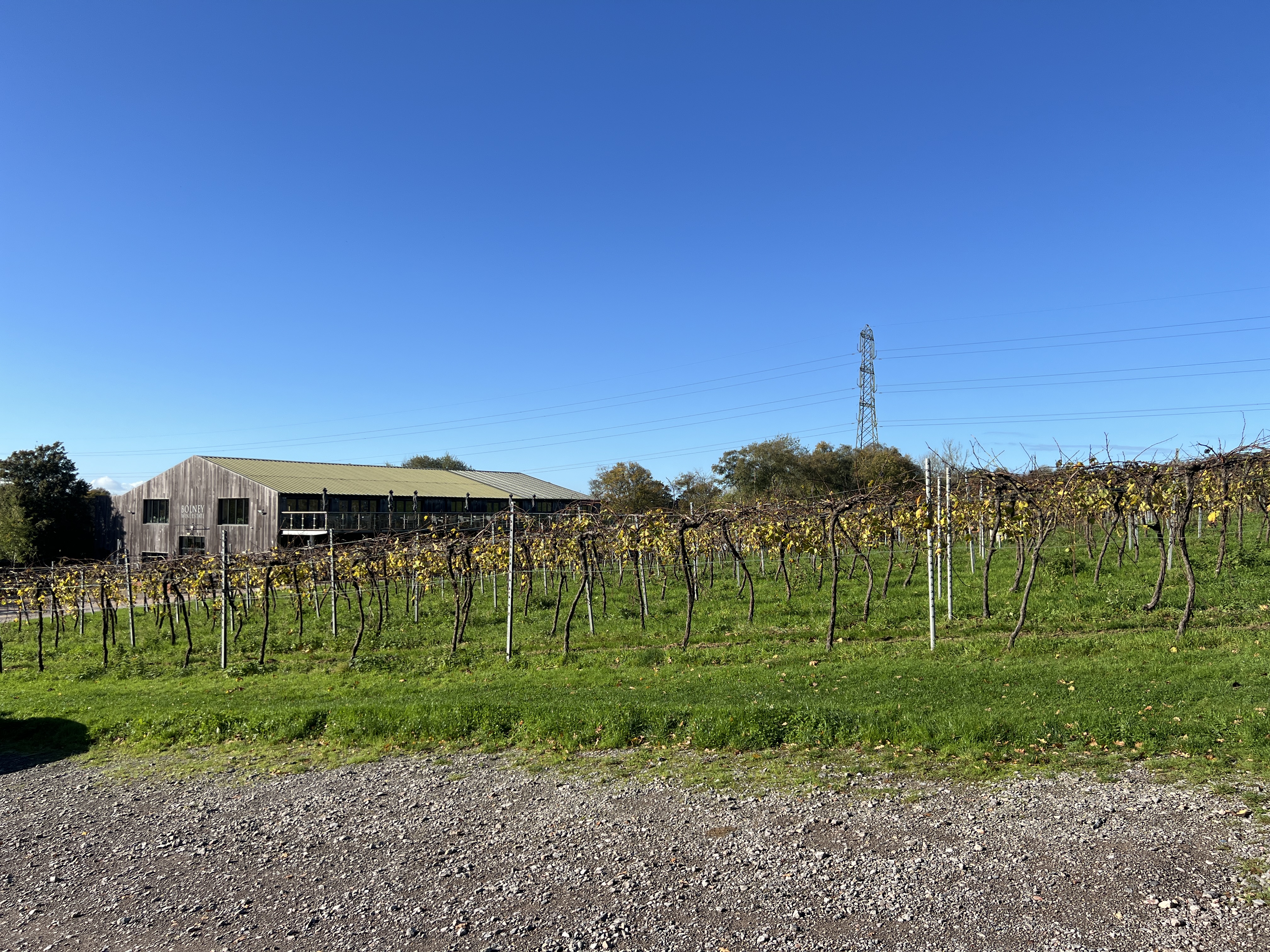
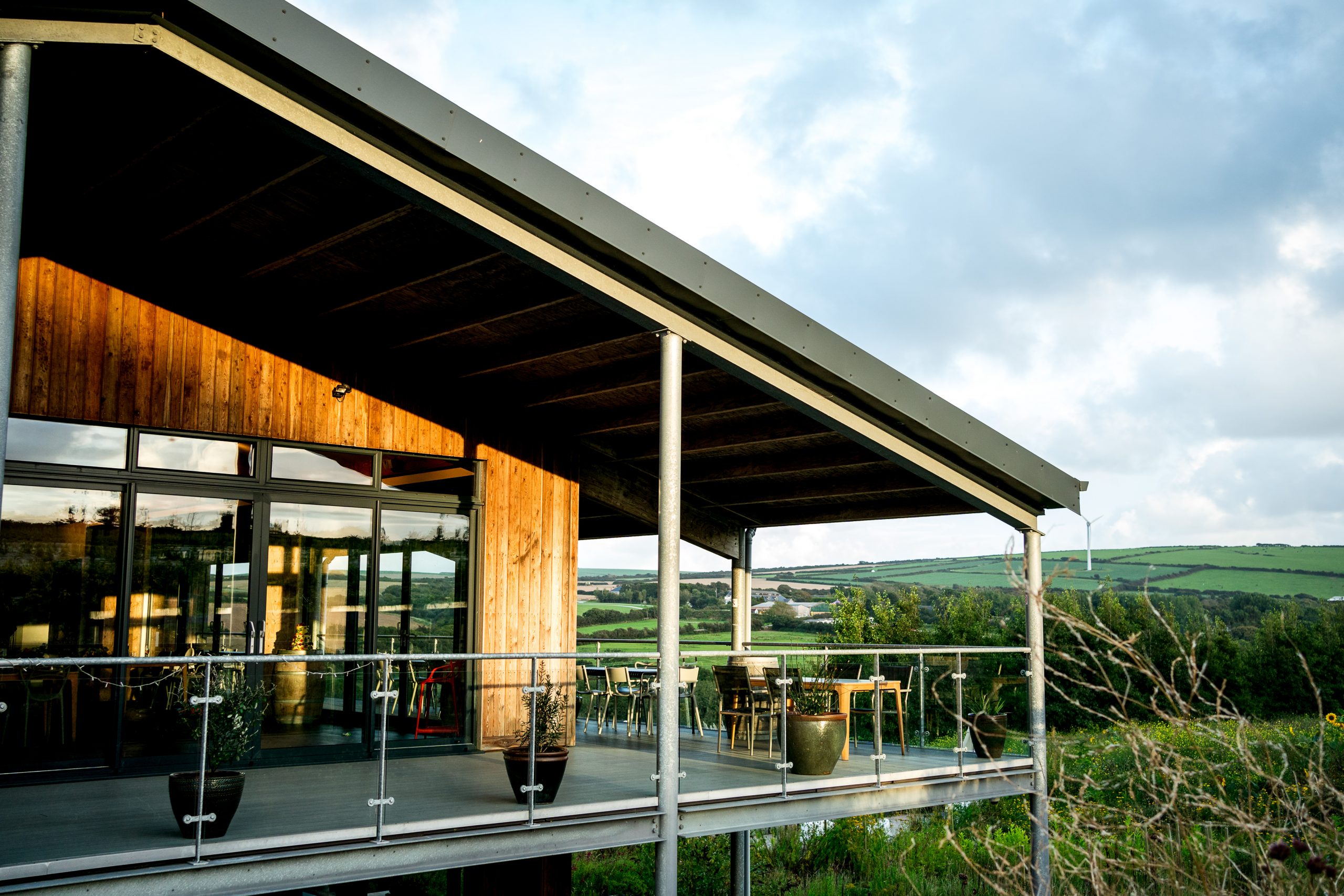
Biddenden Vineyards picked up Decanter silver in 2026 for one of the few single-varietal English Dornfelders, a wine owner Julian Barnes speaks about with real pride. Terlingham Vineyard blends theirs with Pinot Noir instead, for a dry rosé with fresh strawberry character. Other vineyards worth watching include Trevibban Mill and Bolney Wine Estate.
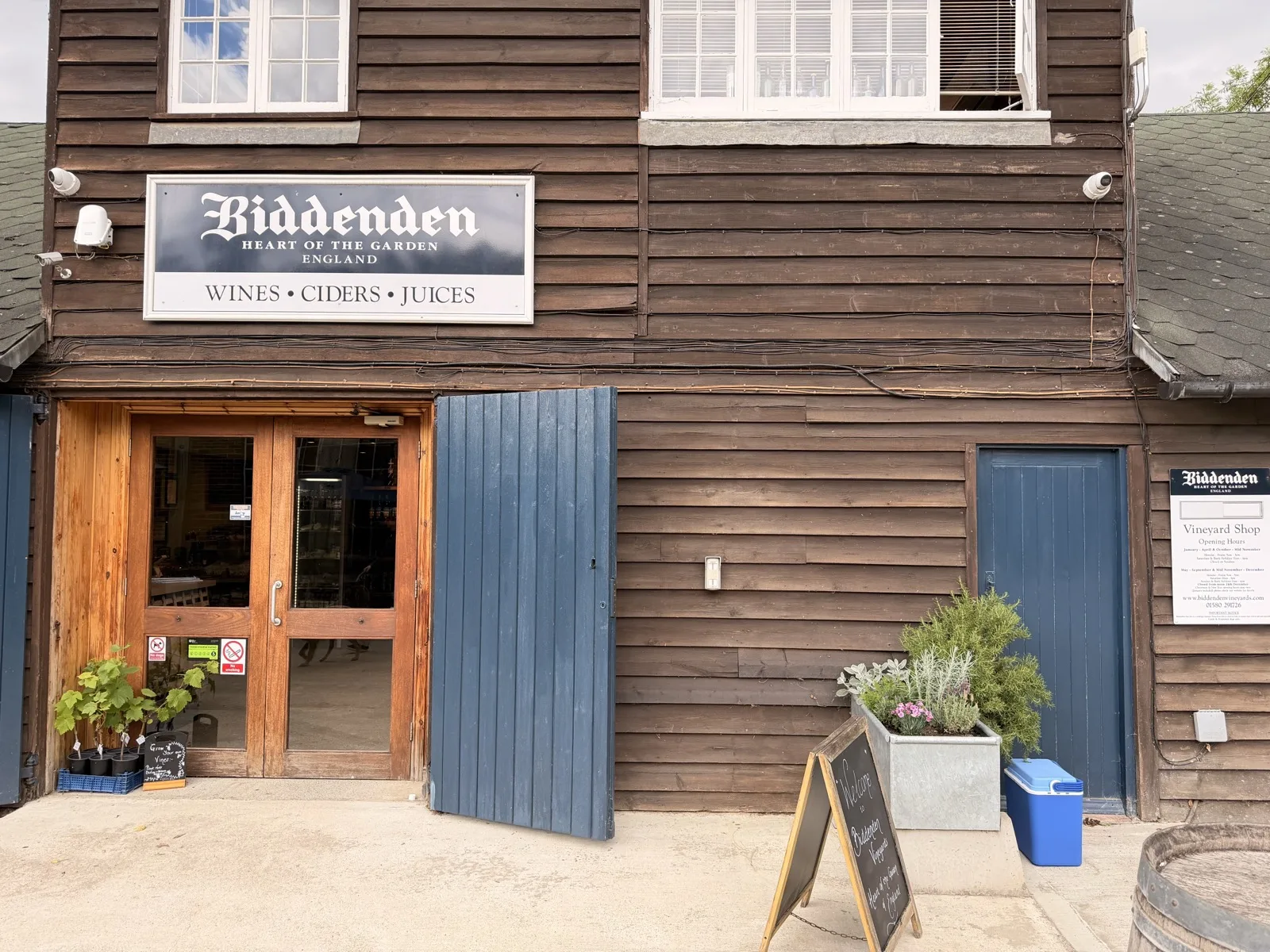
Biddenden Vineyards
🏆 Silver, Decanter 2026One of the few single-varietal English Dornfelders. Biddenden's owner Julian Barnes calls it “the bank manager's grape” for its famously heavy, reliable yields, some bunches weighing close to a kilo.
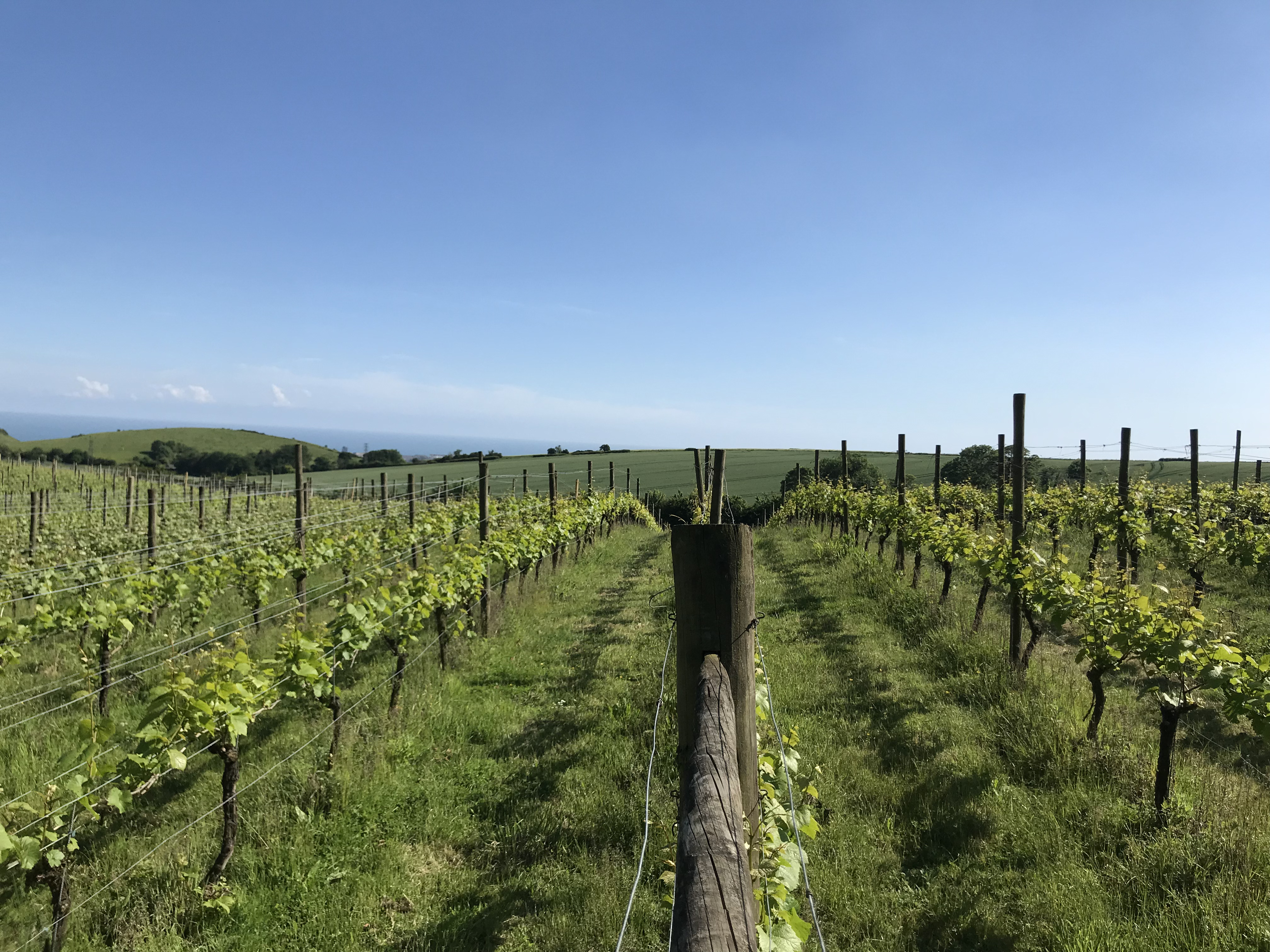
Terlingham Vineyard
A dry rosé blending Dornfelder with Pinot Noir on the Kent North Downs, fresh strawberry and watermelon aromas with a red berry finish.
Other English grape varieties
Regent
Germany's most widely planted hybrid red, Regent solves the same cool-climate problem as Rondo, and is grown at 66 vineyards across England and Wales.
Pinot Noir Précoce
A naturally occurring mutation of Pinot Noir that ripens three weeks earlier, now one of England's most widely planted and most awarded red grapes.

Reichensteiner
Bred in Germany in 1939 for reliability rather than flair, Reichensteiner rounds out many of England's sparkling and still white blends without ever being the star.
Rondo
Bred specifically to survive a cold, unpredictable climate, Rondo has become one of England's most widely planted red grapes.
Dornfelder FAQs
Which English Dornfelder is the best?
There is no single answer, but competition results give a useful steer. Trevibban Mill has picked up the most medals for Dornfelder wines since 2022, six in all, mostly for its Pét Nat, including WineGB silver in 2023. For a straight Dornfelder, Biddenden Vineyards took Decanter silver in 2026 for its 2024.
What is Dornfelder?
A dark-skinned German grape bred in the mid-1950s by August Herold, known for its deep colour, good acidity, and famously heavy, prolific bunches.
Is Dornfelder made as a single varietal or a blend?
Mostly a blend. English producers usually pair it with a lighter red like Pinot Noir or Rondo to balance its thick skins and tannin, though a handful bottle it on its own.
What does Dornfelder taste like?
Deep and dark in colour, with blackberry, plum and dark cherry flavours, good acidity, and more tannin than most English reds. A little oak ageing rounds it out further.
What food goes well with Dornfelder?
Red meat and richer dishes suit it well: roast lamb, beef stew or a barbecue. It can handle spice too, from a curry or Mexican food.
Where is Dornfelder grown in England?
A minority grape everywhere it's planted, with real examples in Kent, West Sussex, Cornwall, Warwickshire and Bedfordshire.
How much does English Dornfelder cost?
Most bottles, usually part of a blend, sit between roughly £16 and £35, with premium reserve bottlings running higher.