

Chardonnay
Chardonnay is the grape England has come to lean on. A natural cross of Pinot Noir and an old, unglamorous variety called Gouais Blanc, first identified through DNA testing in 1999, it now makes up around a third of everything planted in English vineyards, more than any other grape by some distance. Most goes into sparkling wine alongside Pinot Noir and Pinot Meunier, the same three-grape blend used in Champagne, but a growing number of producers are proving it can stand on its own as a serious still wine too.
Chardonnay at a glance
- Colour & skin
- White grape
- Appearance
- Small-to-medium, round, green-yellow berries in compact, cylindrical bunches
- Ripens
- Buds early, which brings a real spring frost risk
- Susceptible to
- Botrytis and powdery mildew, made worse by how compact its bunches are
- Typical style
- Both a sparkling blending grape and, increasingly, a serious single-varietal still white; always dry
What does Chardonnay taste like?
In sparkling wine, Chardonnay brings finesse and citrus freshness rather than the fruit or body of the other two Champagne grapes; it's the grape winemakers reach for when they want elegance and ageing potential. As a still wine, English Chardonnay tends toward a Chablis-like style: citrus and green apple, real acidity, and a mineral edge, with a little oak sometimes adding butter and spice.
Sparkling Chardonnay-led wines suit an aperitif or shellfish and oysters. The still, Chablis-style versions pair well with white fish, roast chicken or a creamy sauce. Both age well by English standards: a good vintage sparkling can improve for a decade or more, and the best still examples for several years.
Where is Chardonnay grown?
Chardonnay is planted at 205 vineyards across England and Wales, more than any other grape on this site, and it concentrates heavily in the South East: Kent, Sussex and Hampshire carry the largest share, on the same chalk soils that run under Champagne itself. Cooler, later-ripening sites further north and west grow far less of it.
Chardonnay was identified as a natural cross of Pinot Noir and Gouais Blanc only in 1999, through DNA testing at UC Davis; before that its exact origin was a mystery. It takes its name from a small village in Burgundy's Mâconnais, and reached England in real quantity only recently: warmer growing seasons since the 1970s have made it viable here at all, and it's expected to remain one of the more climate-resilient choices for English vineyards as temperatures keep rising.
Does Chardonnay win awards?
Yes: Chardonnay and Chardonnay-blend wines have picked up 1244 medals at the WineGB Awards since 2022, 236 of them gold or better.
272 of those came in 2026 alone, up from 254 the year before.
For scale: Pinot Noir, one of England's other well-established grapes, has picked up 1216 medals over the same period, well behind Chardonnay.
Vineyards that grow Chardonnay
Nyetimber, often credited with proving English sparkling wine could compete internationally, picked up an IWC trophy in 2025 for their Classic Cuvée. Davenport Vineyards followed with WineGB gold the same year for a 100% Chardonnay Blanc de Blancs. Gusbourne's Chardonnay Guinevere, a single-vineyard still wine nicknamed ‘Gwin’ at the winery, is another to seek out. Among the still and pét-nat styles, Highweald Wine's Wild Ferment Chardonnay, Four Daughters' Chardonnay and Westwell's Petulant Nature Chardonnay are all worth a look. Other vineyards worth watching include Chapel Down and Bolney Wine Estate.
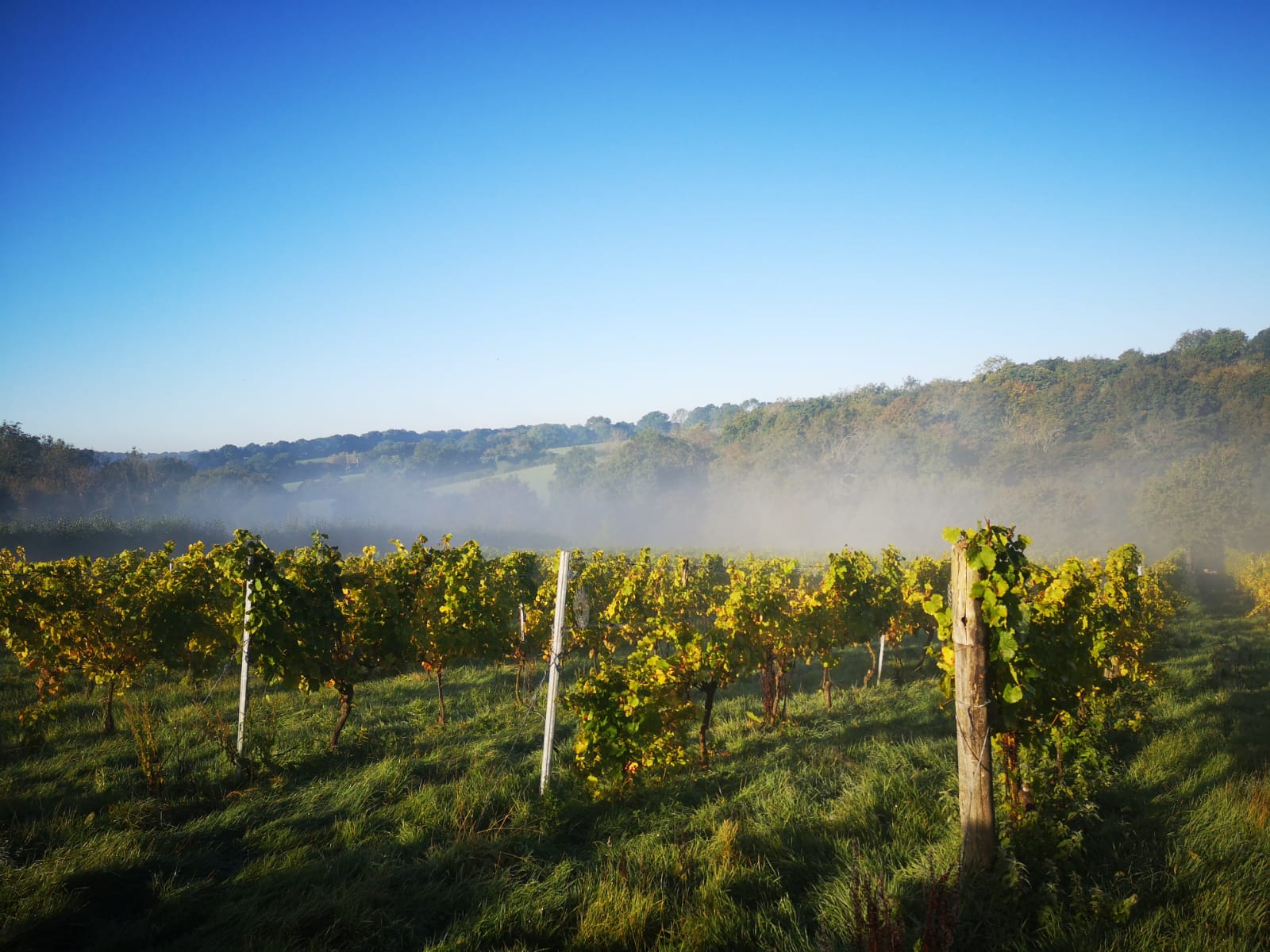
Davenport Vineyards
🏆 Gold, WineGB 2025Davenport's Blanc de Blancs is 100% Chardonnay, the classic style for showing the grape on its own in a sparkling wine. Organic since the vineyard's earliest days, it's aged for years on its lees before release.

Gusbourne
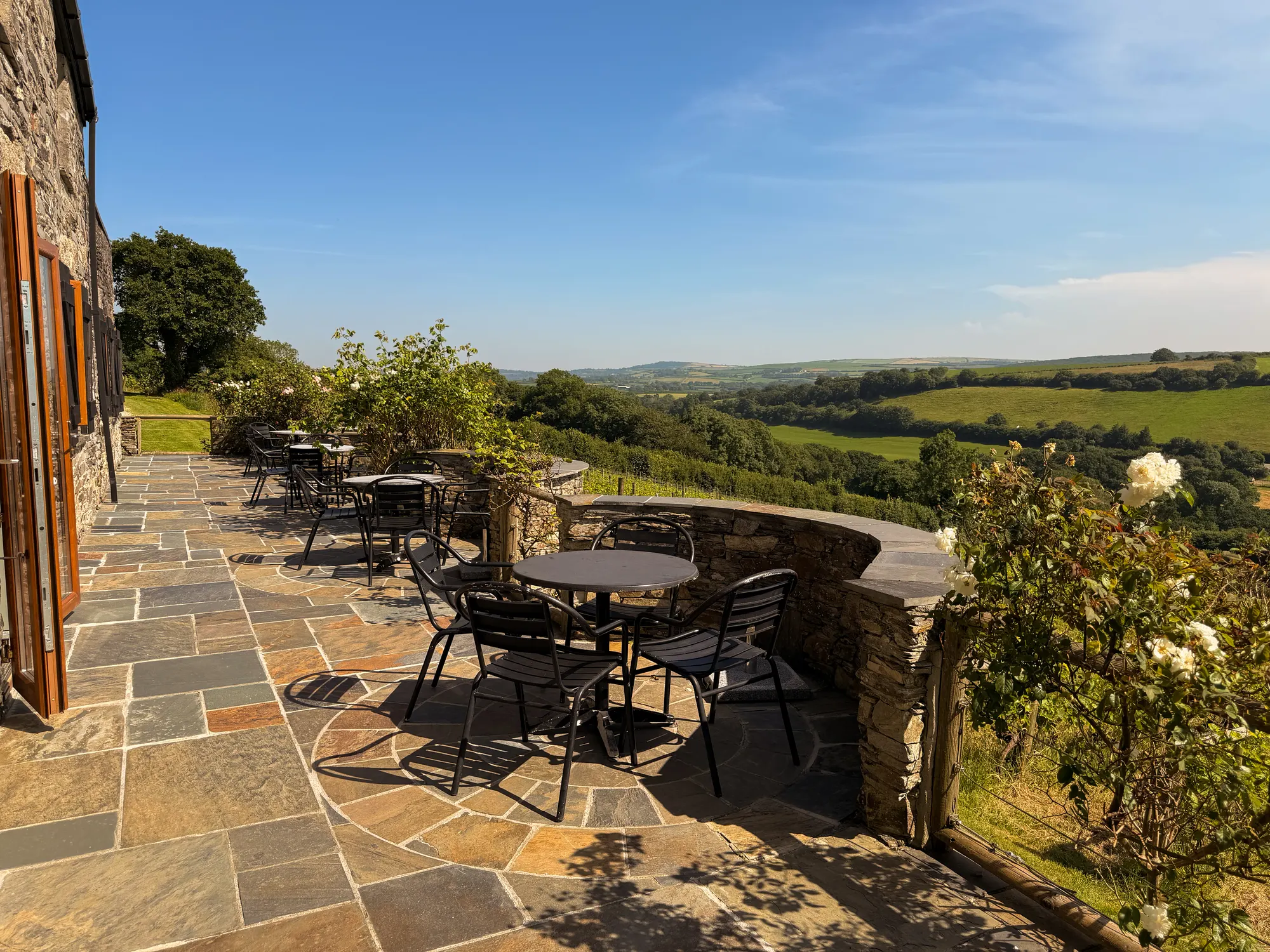
Gusbourne's Chardonnay Guinevere, nicknamed ‘Gwin’ at the winery, is a single-vineyard still wine from their Boot Hill and Commanders sites in Kent, Chablis-esque with citrus, stone fruit and a mineral edge.

Nyetimber
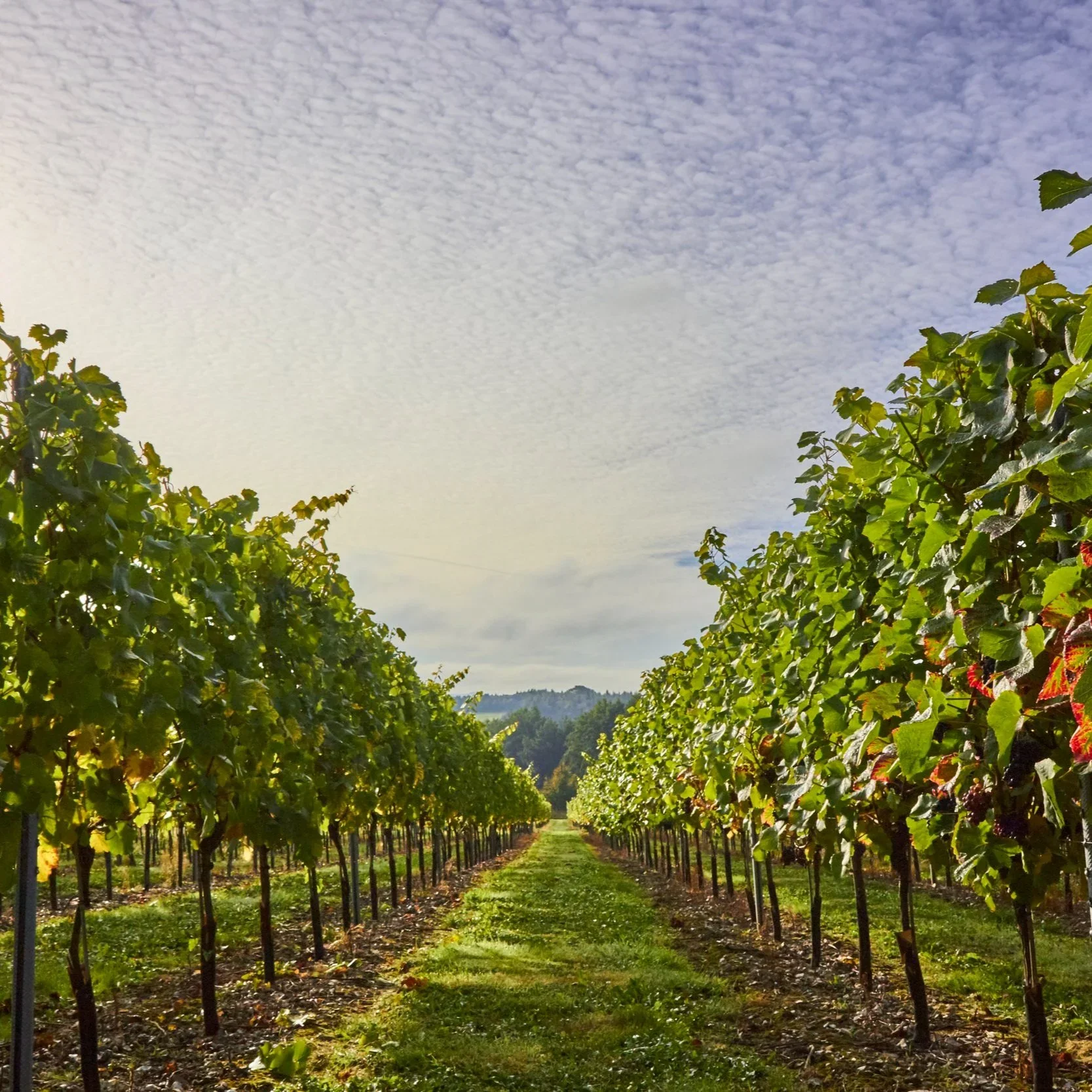
🏆 Trophy, IWC 2025Often credited with proving English sparkling wine could compete internationally. Their Classic Cuvée blends Chardonnay with Pinot Noir and Pinot Meunier, the same three grapes used in Champagne.

Other English grape varieties
Pinot Noir
England's second most planted grape, Pinot Noir is the backbone of most English sparkling rosé, and increasingly a serious still red in its own right.

Ortega
Bred in Germany in 1948, Ortega was already growing in England by the early 1970s, prized for ripening early and shrugging off frost.
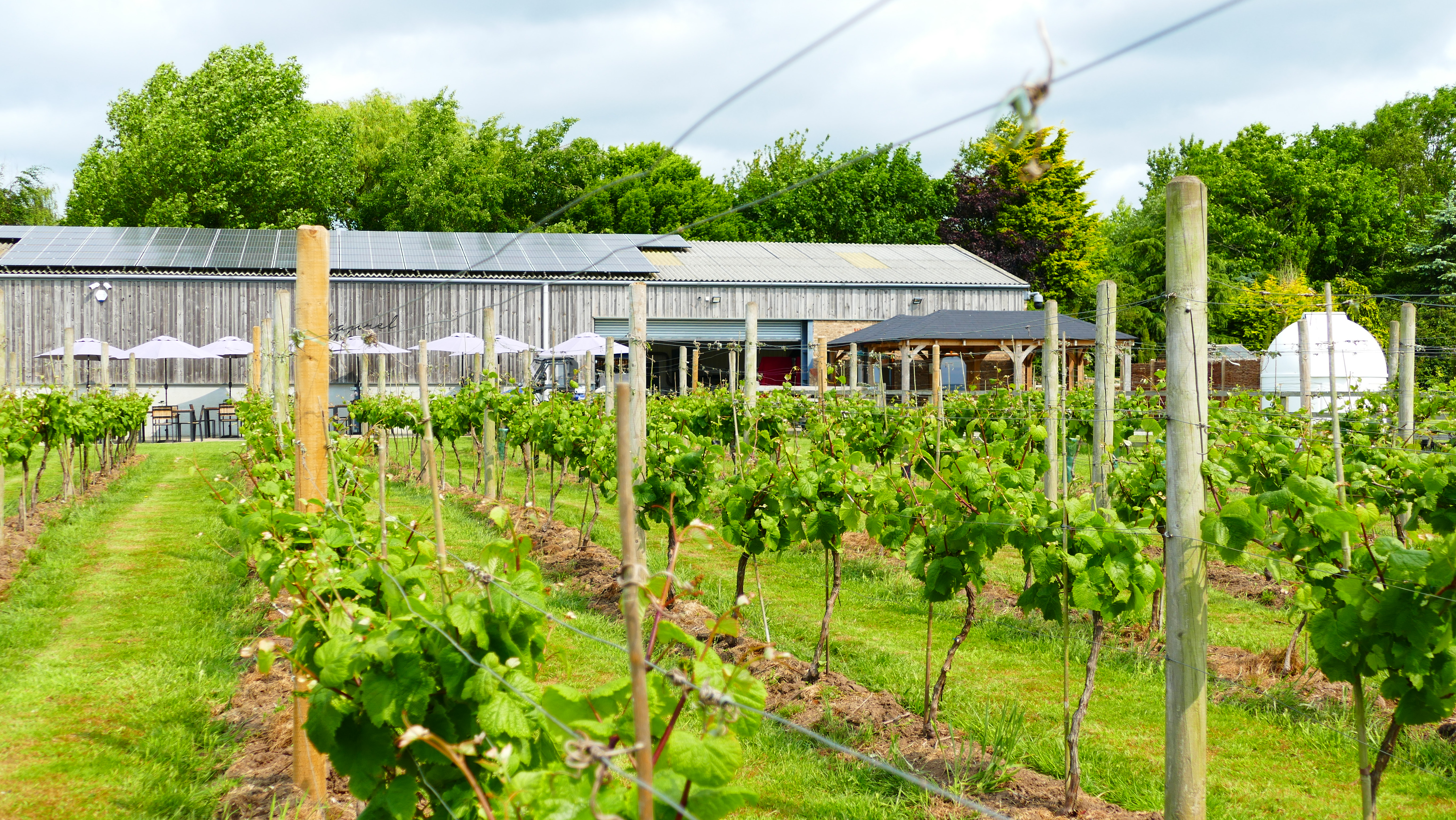
Phoenix
Bred in Germany from Bacchus itself, Phoenix is a lighter, more herbal cousin, aromatic and disease-resistant, grown in smaller pockets across England and Wales.
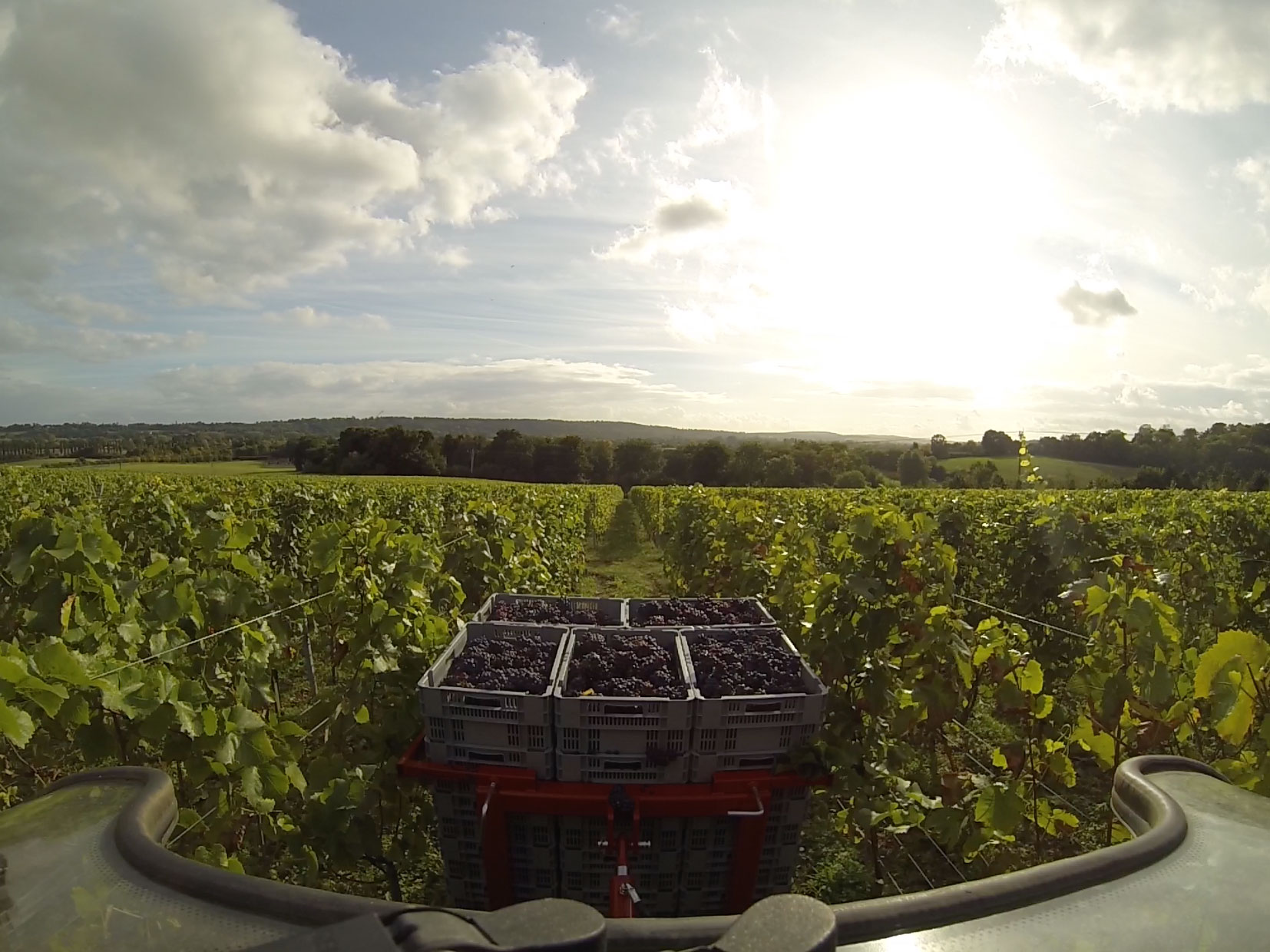
Pinot Meunier
The third grape of Champagne, rarely bottled alone in England, but when it is, it's a soft, red-fruited surprise.
Chardonnay FAQs
Which English Chardonnay is the best?
There is no single answer, but competition results give a useful steer. Gusbourne has picked up the most medals for Chardonnay since 2022, 46 in all, including WineGB gold for its Chardonnay Guinevere 2020 and its Boot Hill Blanc de Blancs 2018. Chapel Down (35 medals) and Balfour Winery (31) follow. Recent standouts for us include Highweald Wine's Wild Ferment Chardonnay, Four Daughters' Chardonnay and Westwell's Petulant Nature Chardonnay pet nat.
What is Chardonnay?
A white grape that originated in Burgundy, identified through DNA testing in 1999 as a natural cross of Pinot Noir and an old variety called Gouais Blanc.
Why is Chardonnay one of the 'Champagne grapes'?
Chardonnay, Pinot Noir and Pinot Meunier are the three grapes traditionally used in Champagne, and the same blend underpins most English sparkling wine too.
Is English Chardonnay used for sparkling or still wine?
Mostly sparkling, but a growing number of producers make serious still Chardonnay too, often in a Chablis-like style with real acidity and a mineral edge.
What does Chardonnay taste like?
In sparkling wine, finesse and citrus freshness rather than fruit or body. As a still wine, expect citrus and green apple with real acidity, sometimes rounded out with a little oak.
Where is Chardonnay grown in England?
Mostly in the South East, on the same chalk soils that run under Champagne itself: Kent, Sussex and Hampshire carry the largest share.
How much does English Chardonnay cost?
Everyday sparkling and still bottlings sit between roughly £25 and £45, though prestige cuvées from top producers can run well into three figures.