

Regent
Regent is Germany's answer to the same problem Rondo solves in England: how do you grow a red grape somewhere cool and damp? Bred in 1967 by Gerhardt Alleweldt at the Geilweilerhof Institute, it wasn't released until 1996, but has since become Germany's most widely planted hybrid grape, and a reliable choice for English reds too.
Regent at a glance
- Also known as
- Gf. 67-198-3, its breeding code
- Colour & skin
- Black grape; its juice is coloured too, not just the skin
- Appearance
- Small-to-medium, red-blue berries in medium, moderately dense bunches
- Ripens
- Middle-early at harvest; bud burst is later in England than it is in Germany
- Susceptible to
- Roter Brenner, a leaf disease known as red fire, and coulure in cold, windy sites at flowering, though it resists both mildews unusually well for a red
- Typical style
- Bottled as a single varietal or blended; dry, full-bodied and among England's more tannic reds
What does Regent taste like?
Expect a deep, intensely coloured red with moderate acidity, real tannin, and flavours of cherry and blackcurrant. It tends to reach high sugar levels, so alcohol can run a little higher than other English reds, and it takes well to a little oak ageing.
It suits richer food: grilled or roasted lamb, steak, game, or smoked meats, and it can handle a bit of chilli heat too. Tomato-based dishes and blue cheese work well alongside it. Most is made to drink within a few years, though sturdier examples can hold a little longer.
Where is Regent grown?
Regent is planted at 66 English and Welsh vineyards, more than Rondo, though it hasn't picked up quite the same weight of awards. Real examples turn up from Dorset and East Sussex in the south to North Yorkshire in the north, plus a good scattering across Wales, in Monmouthshire, Ceredigion and Powys.
It was bred in Germany in 1967 by Gerhardt Alleweldt at the Geilweilerhof Institute for Grape Breeding, crossing Diana, itself a cross of Silvaner and Müller-Thurgau, with the hybrid Chambourcin. It wasn't released for general planting until 1996, but has since become Germany's most widely grown hybrid grape, valued for its resistance to downy mildew and reliable ripening in a damp climate.
Does Regent win awards?
Yes: Regent and Regent-blend wines have picked up 33 medals at the WineGB Awards since 2022.
3 of those came in 2026 alone, down from 8 the year before.
For scale: Rondo, one of England's other well-established grapes, has picked up 63 medals over the same period, well ahead of Regent.
Vineyards that grow Regent
Burn Valley Vineyard, a Norfolk producer, picked up WineGB silver in 2022 for a dedicated single-varietal Regent, real proof the grape can stand alone. Sedlescombe Organic Vineyard, England's oldest organic vineyard, founded in Sussex in 1979, also grows it, and Little Waddon Vineyard plants it as one of just three grapes above Dorset's Jurassic Coast. Other vineyards worth watching include White Castle Vineyard.
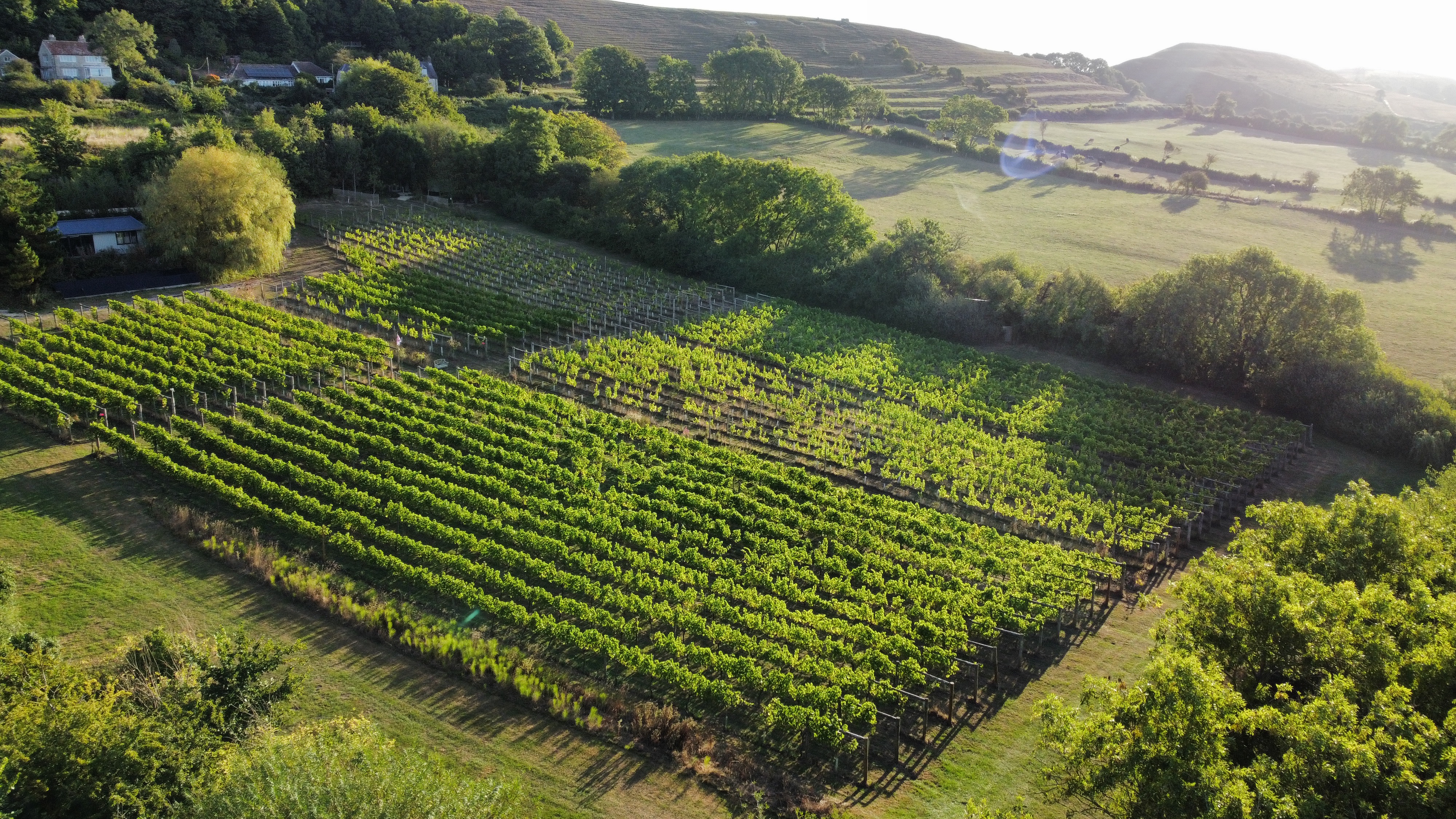
Little Waddon Vineyard
Little Waddon grows just three grapes above Dorset's Jurassic Coast, Phoenix, Seyval Blanc and Regent, entirely pesticide-free. Their Ruby Moon red blends Regent with their other grapes for a modern, minimal-intervention style.
Burn Valley Vineyard
🏆 Silver, WineGB 2022A dedicated single-varietal Regent from this Norfolk vineyard, real proof the grape can stand on its own rather than just filling out a blend.
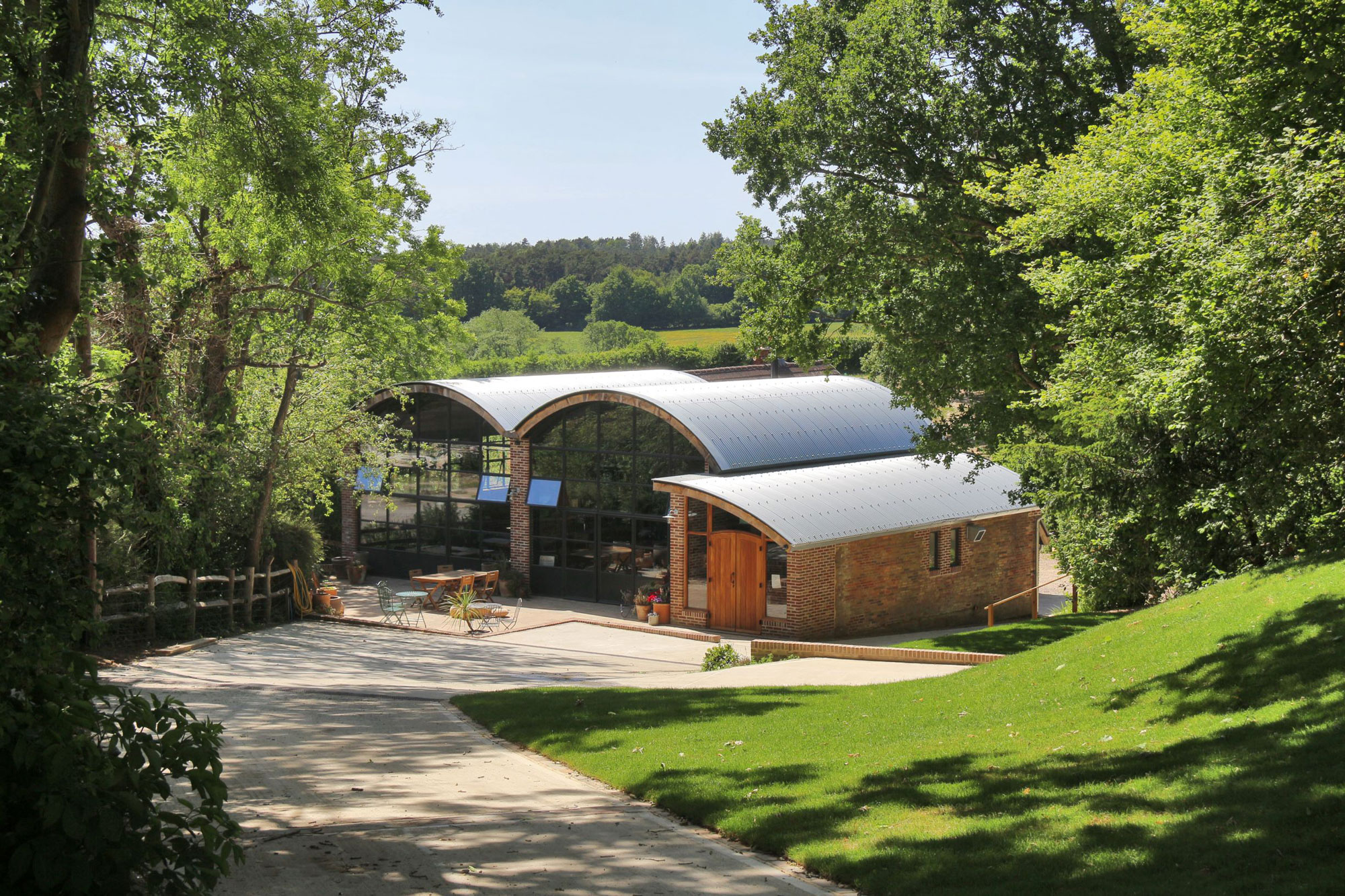
Sedlescombe Organic Vineyard
England's oldest organic vineyard, founded in Sussex in 1979 by Roy Cook. Their Regent Red is a dedicated single-varietal bottling from a site that's been farmed organically from the very start.
Other English grape varieties
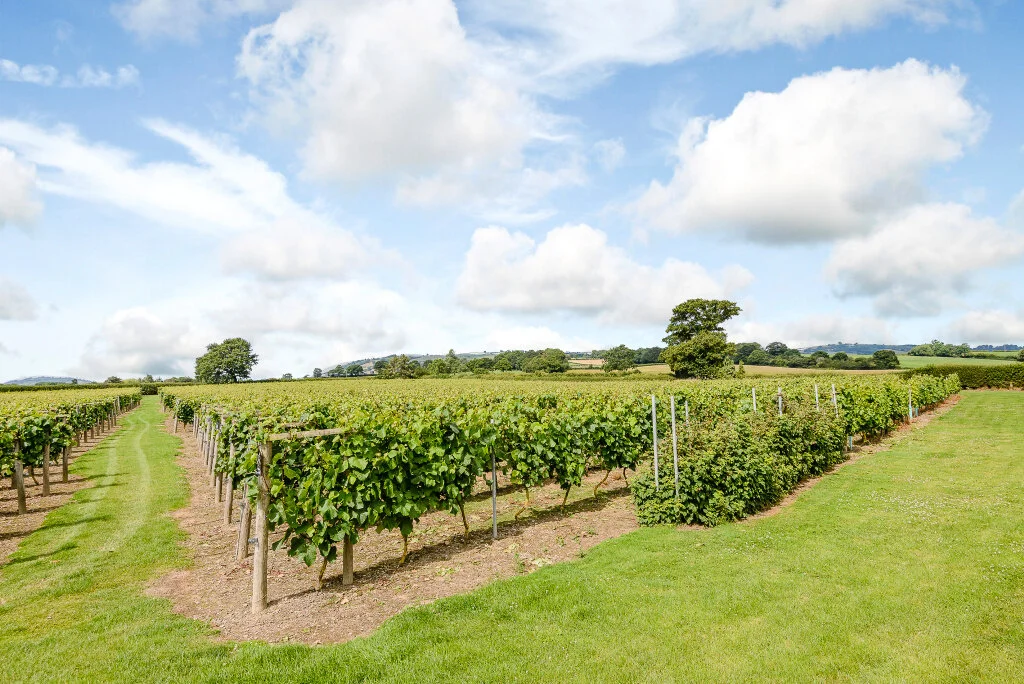
Rondo
Bred specifically to survive a cold, unpredictable climate, Rondo has become one of England's most widely planted red grapes.
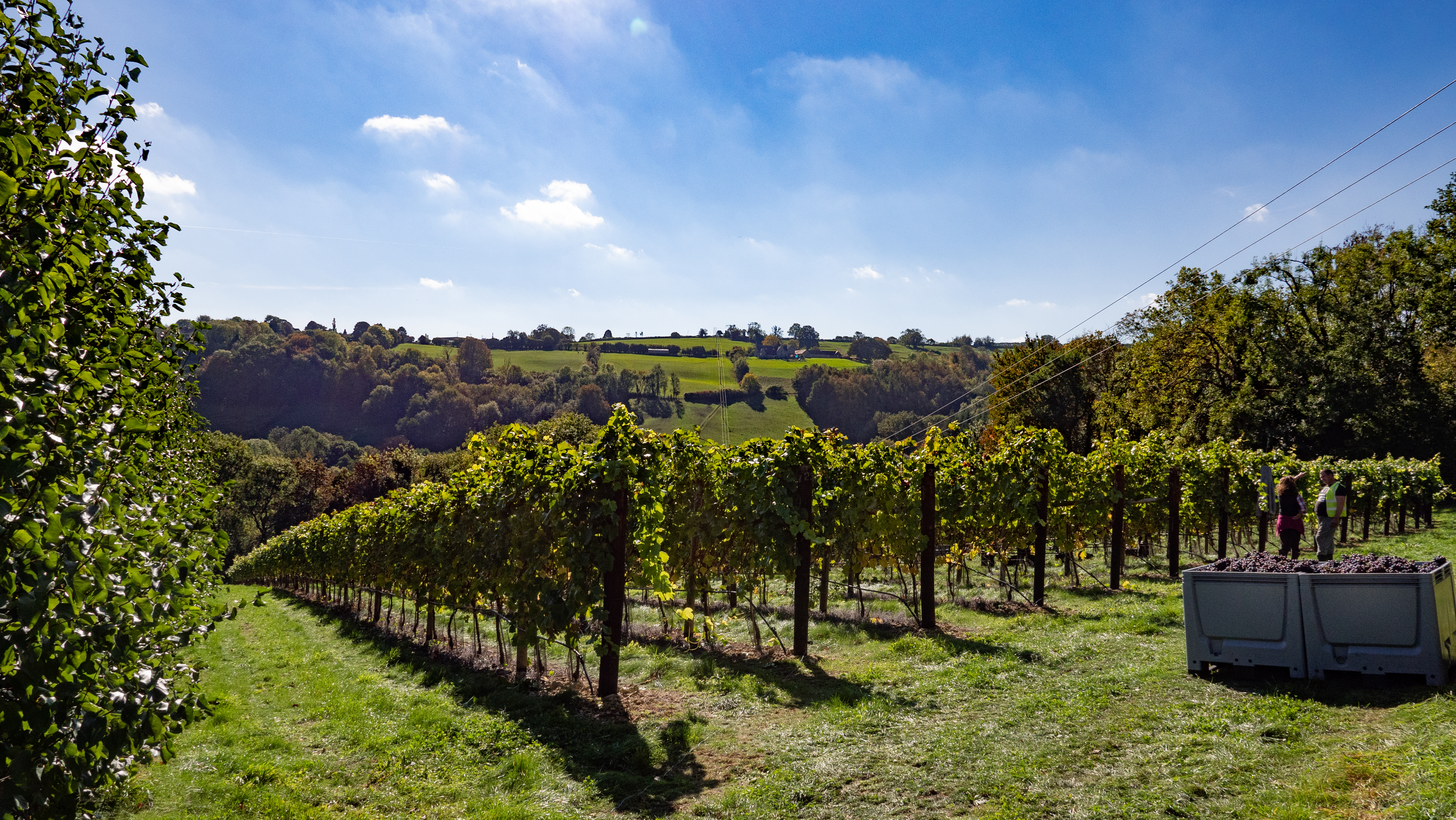
Siegerrebe
Bred in Germany in 1929, Siegerrebe is Ortega's own parent grape, an intensely perfumed, low-acid white now grown in some of England's coolest vineyard sites.

Solaris
Bred in Germany in 1975 to survive cold winters, Solaris has become a reliable cool-climate specialist grown from Cornwall to North Yorkshire and across Wales.
Bacchus
Bred in Germany in the 1930s and largely ignored there since, Bacchus found a second life in England, becoming the country's closest thing to a house white.
Regent FAQs
Which English Regent is the best?
There is no single answer, but competition results give a useful steer. Regent is a small grape for awards, so the numbers are modest. White Castle Vineyard has picked up the most medals for Regent since 2022, four in all, including WineGB bronze and Decanter bronze in 2025. Burn Valley Vineyard, which bottles a dedicated single-varietal Regent, also has a Decanter bronze from 2025.
What is Regent?
A dark-skinned hybrid grape bred in Germany in 1967, released in 1996, and now Germany's most widely planted hybrid variety thanks to its disease resistance and reliable ripening.
How does Regent compare to Rondo?
Both are German-bred, disease-resistant reds suited to a cool, damp climate, but Regent tends to be more tannic and full-bodied, while Rondo is softer and more approachable.
What does Regent taste like?
Deep in colour with real tannin, moderate acidity, and flavours of cherry and blackcurrant. It often reaches higher sugar levels than other English reds, giving a little extra alcohol.
What food goes well with Regent?
Richer dishes suit it best: grilled or roasted lamb, steak, game or smoked meats. It can handle chilli heat too, and works well with tomato-based dishes or blue cheese.
Where is Regent grown in England?
Widely, from Dorset and East Sussex to North Yorkshire, with a good scattering of Welsh vineyards too, in Monmouthshire, Ceredigion and Powys.
How much does English Regent cost?
Most bottles sit between roughly £14 and £34.