

Rondo
Rondo was never meant to imitate anything. Bred specifically to survive a cold, unpredictable climate, it has become one of England's most reliable answers to a hard question: how do you make red wine somewhere the sun can't always be trusted?
It's planted at well over a hundred English vineyards, more than almost any other red grape in the country, and it turns up everywhere from a single-varietal bottle to a supporting role in a blend.
Rondo at a glance
- Also known as
- Geisenheim 6494-5, its breeding code before being named in 1997
- Colour & skin
- Black grape, thick-skinned, and unusually a teinturier: its flesh is red as well as its skin
- Appearance
- Small to medium bunches of dark, near-black berries on very dark green vines
- Ripens
- Early across the board: early budburst, flowering, veraison and harvest
- Susceptible to
- Powdery mildew, though resistant to downy mildew and winter frost
- Typical style
- Bottled as a single varietal or blended, still or rosé, usually dry and full-bodied for a cool-climate red
What does Rondo taste like?
Expect a deep, almost inky colour and full-bodied fruit: dark cherry, blackberry and plum, sometimes with a savoury, peppery edge. Tannins and acidity both run on the lower side, which makes Rondo an easy, approachable red rather than a serious cellar wine, though a little oak ageing can add real structure.
Most English producers bottle it as a single varietal or blend it with something else, such as Cabernet Cortis or Pinot Noir, to fill out a red, and it's just as often made into a bright, fruity rosé.
Its dark fruit and easy tannins make Rondo a natural match for hearty, cooked dishes: roast beef, lamb, or a beef casserole, along with mushroom risotto or roasted root vegetables if you're going meat-free. It's got enough acidity to stand up to a sharp cheese like mature Cheddar or Stilton too.
Where is Rondo grown?
Rondo grows across the country: from Cornwall in the south to North Yorkshire in the north, with real pockets in the Midlands, East Anglia, and Wales too. It's planted at 112 English vineyards today, more than any other red grape covered on this site so far, spread wider than its award tally alone would suggest.
That reach comes down to breeding, not tradition: Rondo was created in 1964 by Professor Vilém Kraus, crossing the frost-hardy Russian variety Zarya Severa with the Austrian red grape Saint Laurent, then developed further at Germany's Geisenheim Grape Breeding Institute. It took until the 1980s to reach a commercial vineyard, in Ireland, and wasn't officially named until 1997, but that same frost resistance is exactly why it copes with a shorter, damper growing season better than more delicate red grapes can.
Rondo is not just an English curiosity, either. The same cold-hardiness that suits it here has made it a genuine cool-climate specialist across Northern and Central Europe, with small plantings as far afield as Poland, Sweden, Denmark and Germany, wherever growers need a reliable red in a marginal climate.
Does Rondo win awards?
Yes: Rondo and Rondo-blend wines have picked up 63 medals at the WineGB Awards since 2022.
14 of those came in 2026 alone, up from 10 the year before.
For scale: Pinot Noir Précoce, one of England's other well-established grapes, has picked up 432 medals over the same period, well ahead of Rondo.
Vineyards that grow Rondo
Little Wold Vineyard picked up WineGB silver in 2022 for their Rondo, and Terlingham Vineyard followed with bronze the same year for a Rondo and Cabernet Cortis blend. Kerry Vale Vineyard, a family-run estate growing Rondo as one of just four varieties they plant, added WineGB bronze in 2025. Other vineyards worth watching include White Castle Vineyard and Halfpenny Green Wine Estate.
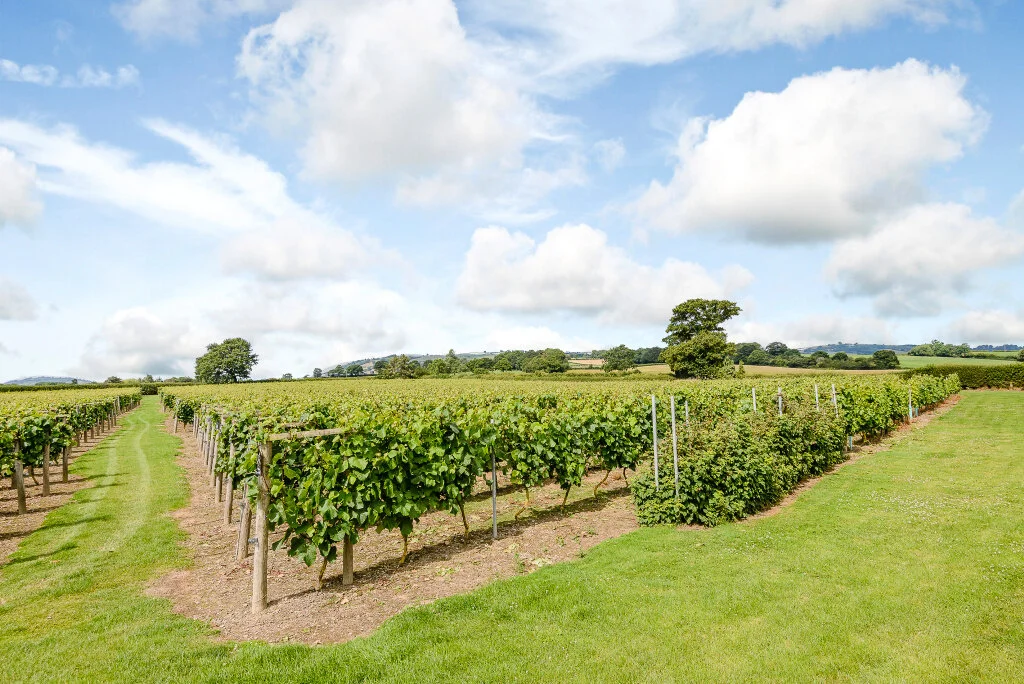
Kerry Vale Vineyard
🏆 Bronze, WineGB 2025Husband-and-wife team Russell and Jan Cooke grow Rondo as one of just four varieties on this Welsh-border smallholding, planted on the site of a Roman fort at Pentreheyling. Their Rondo Reserve spends a little time in oak for a deep ruby wine with warm spice and a touch of sweetness on the finish.
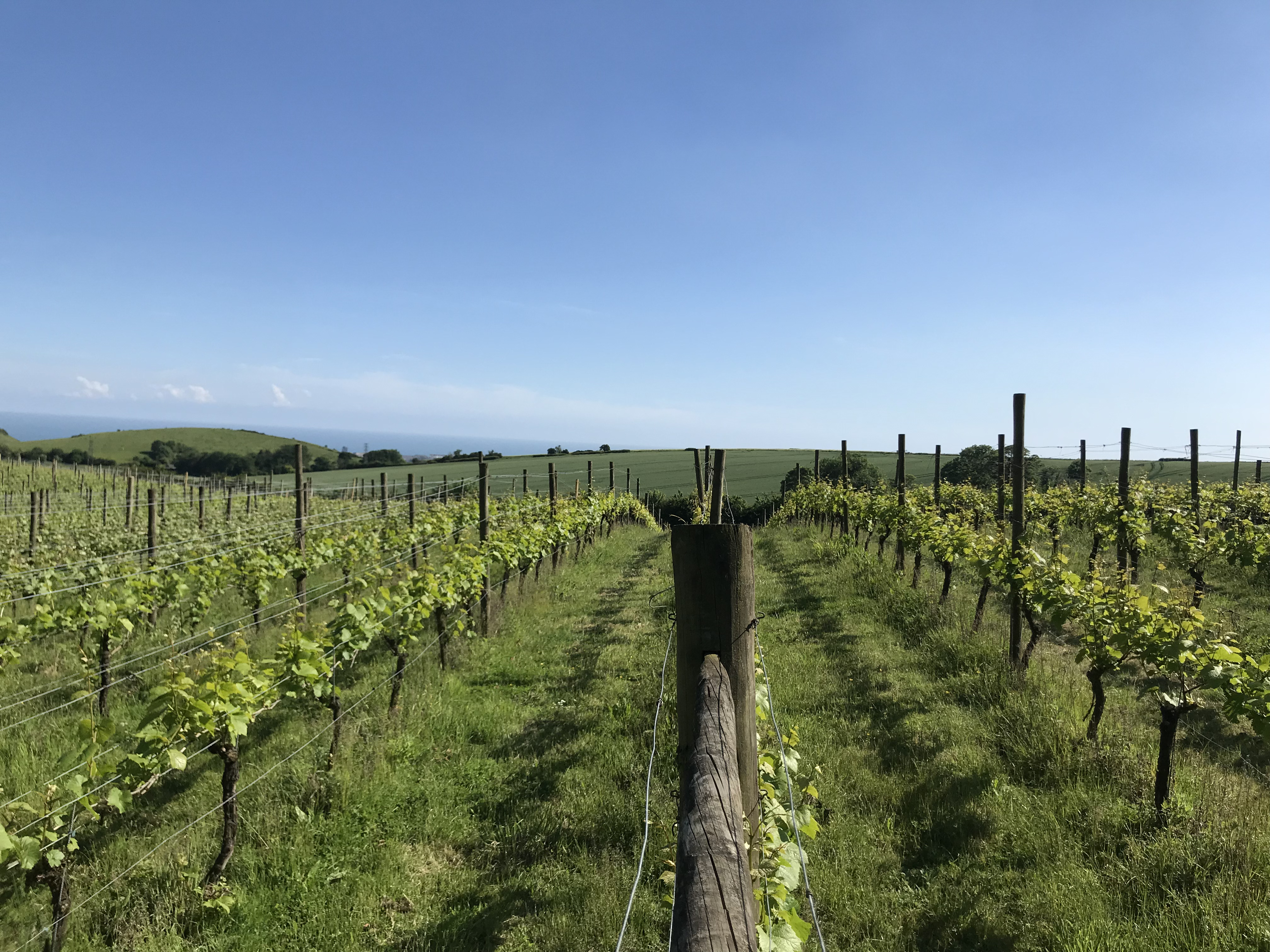
Terlingham Vineyard
🏆 Bronze, WineGB 2022A four-acre vineyard on the Kent North Downs with views to France, blending Rondo with Cabernet Cortis for a deep garnet red. Light bodied and dry, with blackcurrant, cherry and plum fruit, subtle spice and firm tannins.

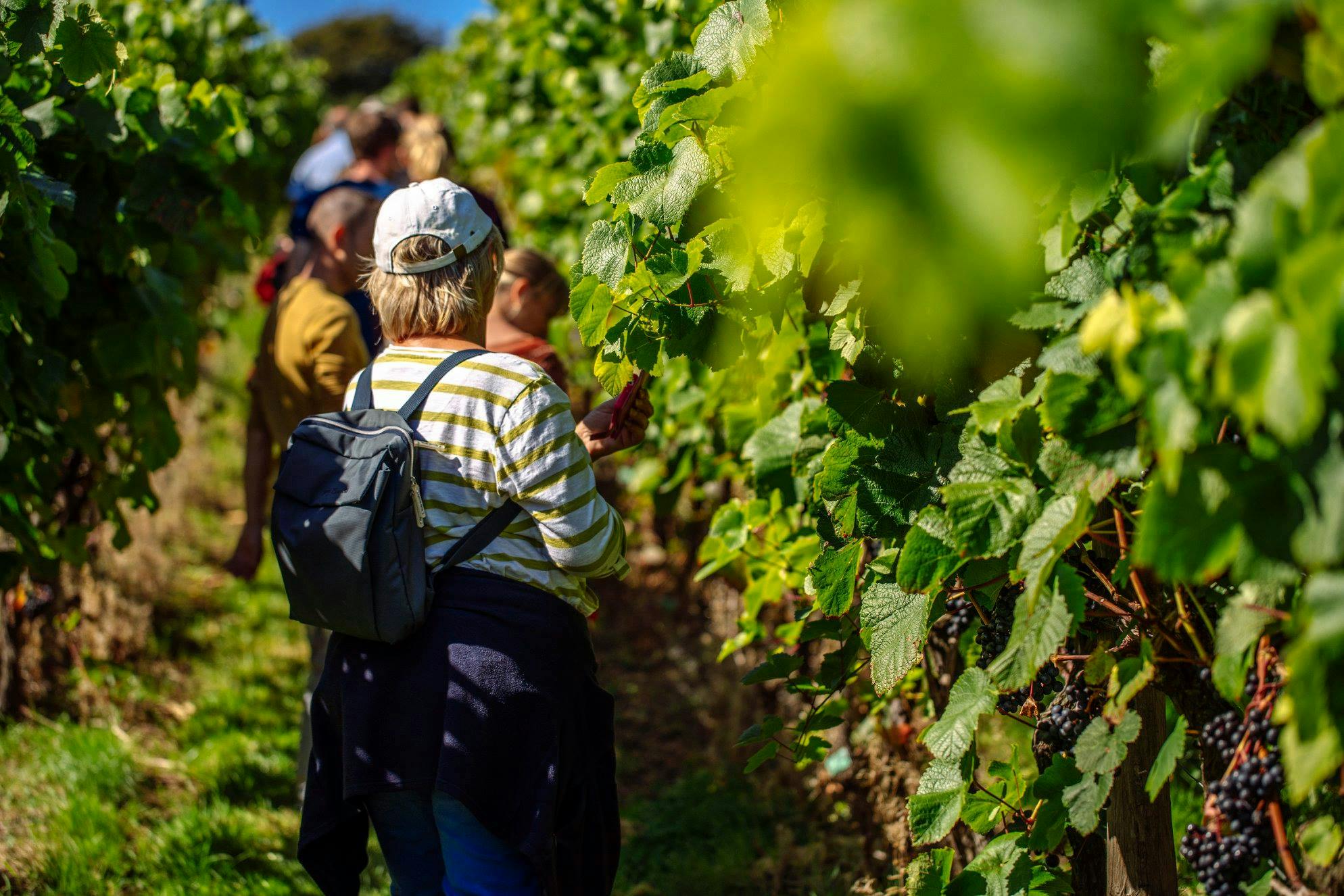
Little Wold Vineyard
🏆 Silver, WineGB 2022Named after the three-pointed field it grows in, a shape that predates the current family's ownership by decades. It was Little Wold's first red, released in 2017, with ripe blackberry on the nose and black cherry and wild raspberry on the palate.
Other English grape varieties
Pinot Noir Précoce
A naturally occurring mutation of Pinot Noir that ripens three weeks earlier, now one of England's most widely planted and most awarded red grapes.
Bacchus
Bred in Germany in the 1930s and largely ignored there since, Bacchus found a second life in England, becoming the country's closest thing to a house white.
Chardonnay
England's most widely planted grape by far, Chardonnay underpins most English sparkling wine and is increasingly made as a serious still wine too, in a Chablis-like style.
Dornfelder
Nicknamed “the bank manager's grape” for its famously heavy yields, Dornfelder is Germany's bold, dark-skinned red, usually blended into England's cool-climate reds and rosés.
Rondo FAQs
Which English Rondo is the best?
Taste is personal, but competition results are a useful place to start. Rondo is a small grape for awards, so the numbers are modest. For a straight Rondo, Radlow Hundred has the strongest record we track since 2022, with three medals including WineGB silver and IWSC silver, both in 2026. Camel Valley has two for its sparkling red. One to try is Kinsbrook Vineyard's NIMBY, a Pinot Noir and Rondo blend in which the Rondo makes the red fruit feel a little punchier.
What is Rondo?
A hybrid red grape crossing a frost-hardy Russian vine with an Austrian red grape, created specifically to ripen reliably and resist disease in a cool, damp climate.
Is Rondo used to make red wine or rosé?
Both. It's most often made into a single-varietal red or blended with grapes like Cabernet Cortis or Pinot Noir, though its bright colour also makes a fruity rosé.
What does Rondo taste like?
Dark cherry, blackberry and plum, sometimes with a peppery edge, and generally lower in tannin and acidity than a classic red, which makes for an easy, approachable style.
Where is Rondo grown in England?
Across the country, from Cornwall to North Yorkshire and into Wales, more widely planted than almost any other English red grape.
What food goes well with Rondo?
Its dark fruit and soft tannins pair naturally with hearty, cooked dishes: roast beef, lamb, or a beef casserole, or mushroom risotto and roasted root vegetables for a meat-free match. It's got enough acidity to stand up to a sharp cheese like mature Cheddar or Stilton too.
How much does English Rondo cost?
Most bottles sit between roughly £13 and £25, among the more affordable English reds, though blends and reserve bottlings can run higher.