

Ortega
Bred in Germany in 1948 from a cross of Müller-Thurgau and Siegerrebe, Ortega was planted in England from the early 1970s, decades before Bacchus became the country's signature white grape. It ripens earlier than almost anything else grown here, reliably finishing before the wet, frost-prone tail end of an English autumn, which is exactly why growers reached for it in the first place. It remains one of the more distinctive whites grown here: fuller, more perfumed, and less bone dry than most.
Ortega at a glance
- Colour & skin
- White grape
- Appearance
- Pale green-yellow berries, ripening earlier than almost any other English white
- Ripens
- Very early, reaching high sugar levels even in a poor summer
- Susceptible to
- Botrytis, coulure and late spring frost, though it copes well with winter cold and resists both downy and powdery mildew
- Typical style
- Usually a single varietal, typically off-dry and medium-bodied
What does Ortega taste like?
Aromatic and full for an English white, with ripe peach and orchard fruit, a floral, almost Muscat-like lift, and a spicy note underneath. It carries gentle, balanced acidity rather than a sharp bite, and is often finished just off-dry rather than bone dry, though this varies by producer.
That combination of floral fruit and gentle sweetness suits lighter dishes best, fish and chips, prawns, oysters or sushi, and it can handle a bit of spice too, making it a good match for milder Thai or Asian cooking. It tends to get lost against anything rich or creamy. Most is made to drink young, though a handful of producers let a sweeter style age for a few years in bottle, where the extra sugar helps it develop further.
Where is Ortega grown?
Ortega spreads a little further north than most English whites, a direct result of the early ripening that got it planted here in the first place: even in a short, marginal season it can still reach a decent sugar level before autumn sets in. The South East still carries the largest share, but a significant amount also grows across the West Country and into the Midlands and North, regions where a less hardy grape would struggle. Wales carries a modest amount too.
Hans Breider bred Ortega in 1948 at a research institute in Würzburg, crossing Müller-Thurgau with Siegerrebe, and named it after the Spanish philosopher José Ortega y Gasset. It is still grown in Germany today, mostly around Rheinhessen and the Palatinate, but plantings there have fallen from around 475 hectares in 2016 to roughly 351 hectares in 2022 as German tastes have moved away from the softer, sweeter styles it suits. England grows a smaller total area again, but Ortega has a real claim to seniority here: it was planted from the early 1970s, well before Bacchus took over as the country's signature white.
Does Ortega win awards?
Yes: Ortega and Ortega-blend wines have picked up 60 medals at the WineGB Awards since 2022, 3 of them gold or better.
13 of those came in 2026 alone, up from 12 the year before.
For scale: Bacchus, one of England's other well-established grapes, has picked up 436 medals over the same period, well ahead of Ortega.
Vineyards that grow Ortega
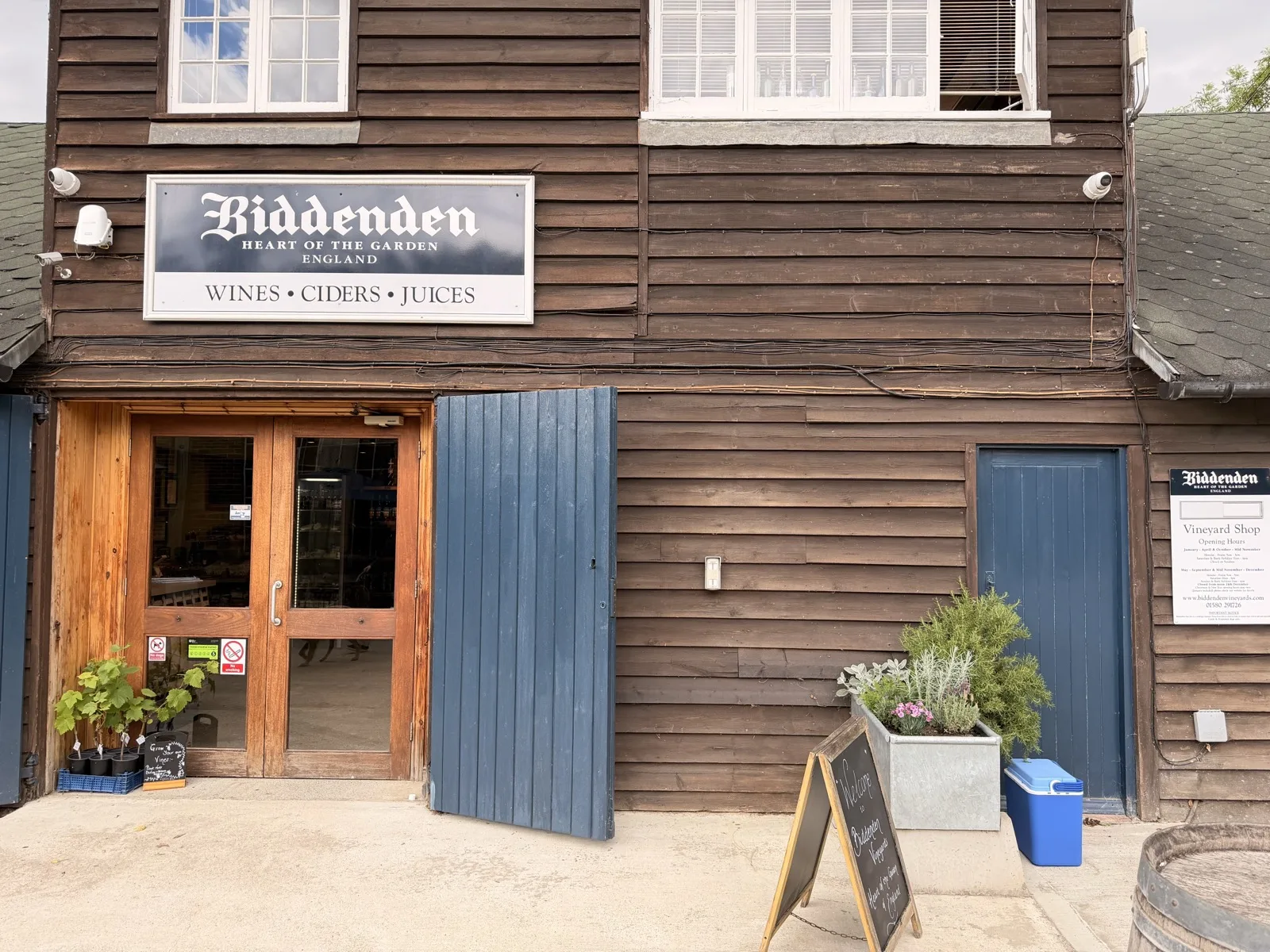
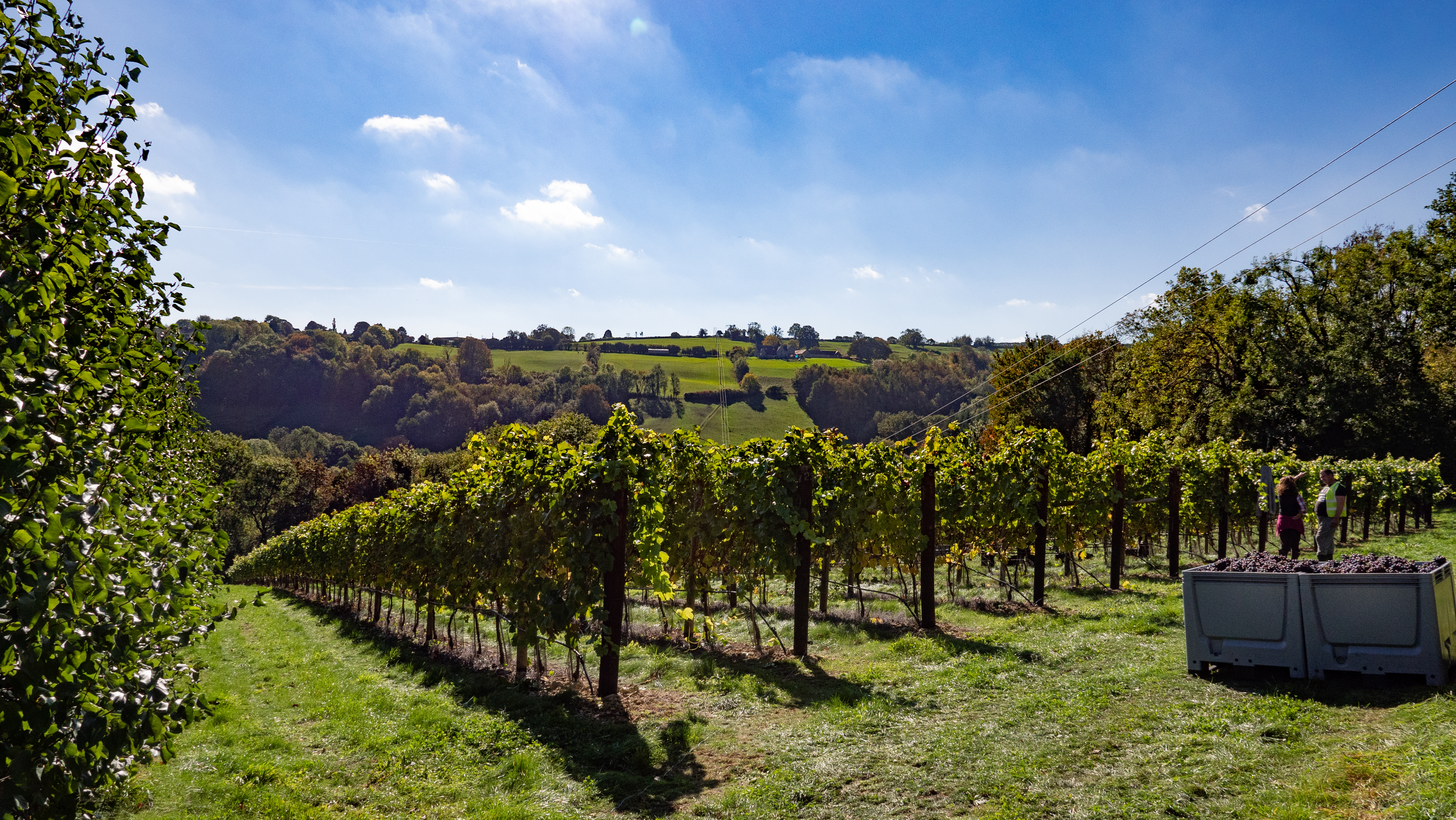
Biddenden Vineyards has one of the more established track records with Ortega in Kent, picking up IEWA silver in 2024, and Westwell followed with WineGB bronze in 2026 for their still version. Other producers worth seeking out include Hungerhill Vineyard and Halfpenny Green Wine Estate.

Westwell
🏆 Bronze, WineGB 2026Stephen rated the still Ortega highly on a visit, and it also turns up in Pelegrim, their sparkling blend alongside Pinot Noir, Pinot Meunier and Chardonnay.
Biddenden Vineyards
🏆 Silver, IEWA 2024One of the more established Ortega producers in Kent, with a track record of medals for it going back several years.
Other English grape varieties
Bacchus
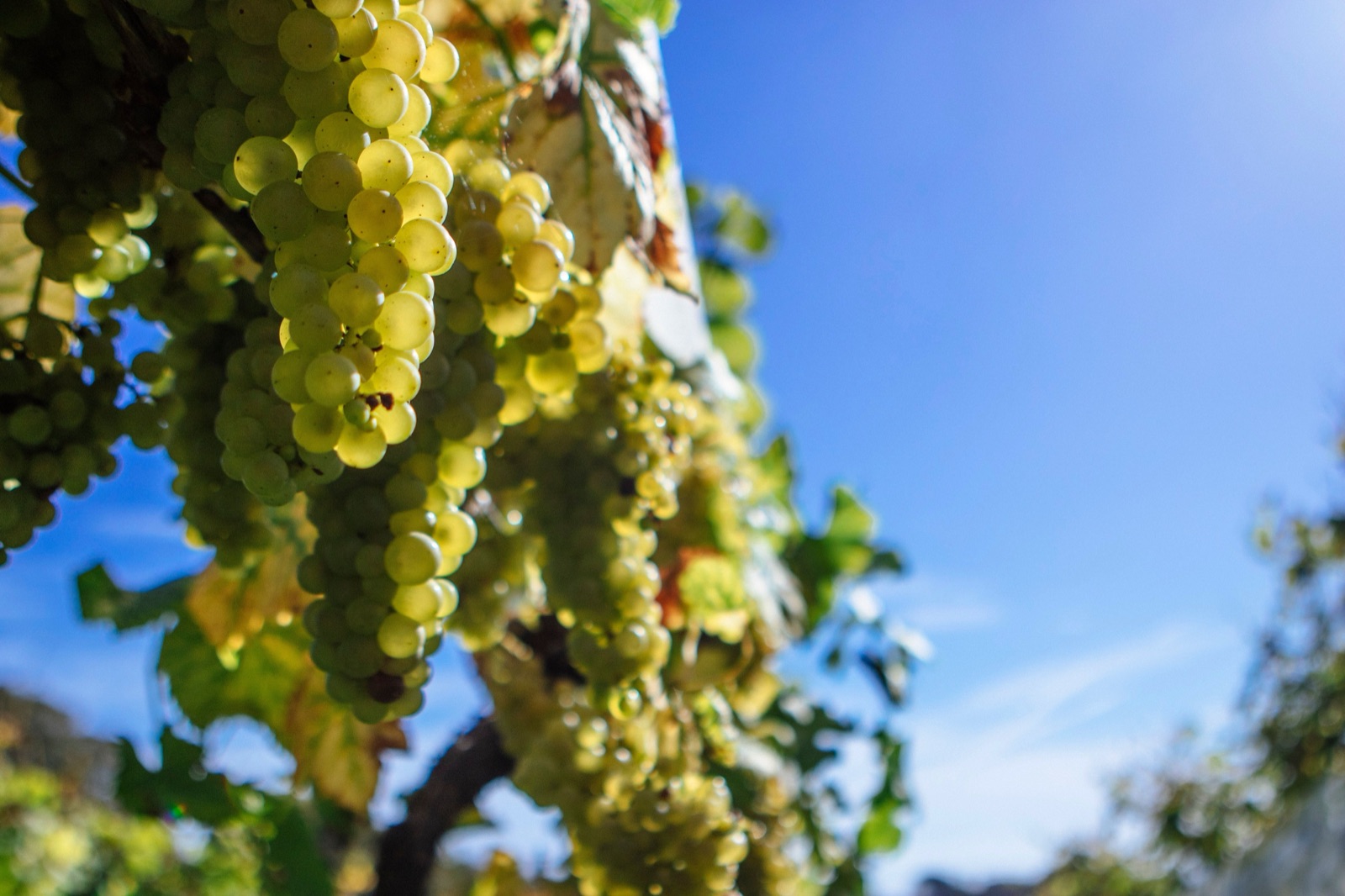
Bred in Germany in the 1930s and largely ignored there since, Bacchus found a second life in England, becoming the country's closest thing to a house white.

Reichensteiner
Bred in Germany in 1939 for reliability rather than flair, Reichensteiner rounds out many of England's sparkling and still white blends without ever being the star.
Rondo
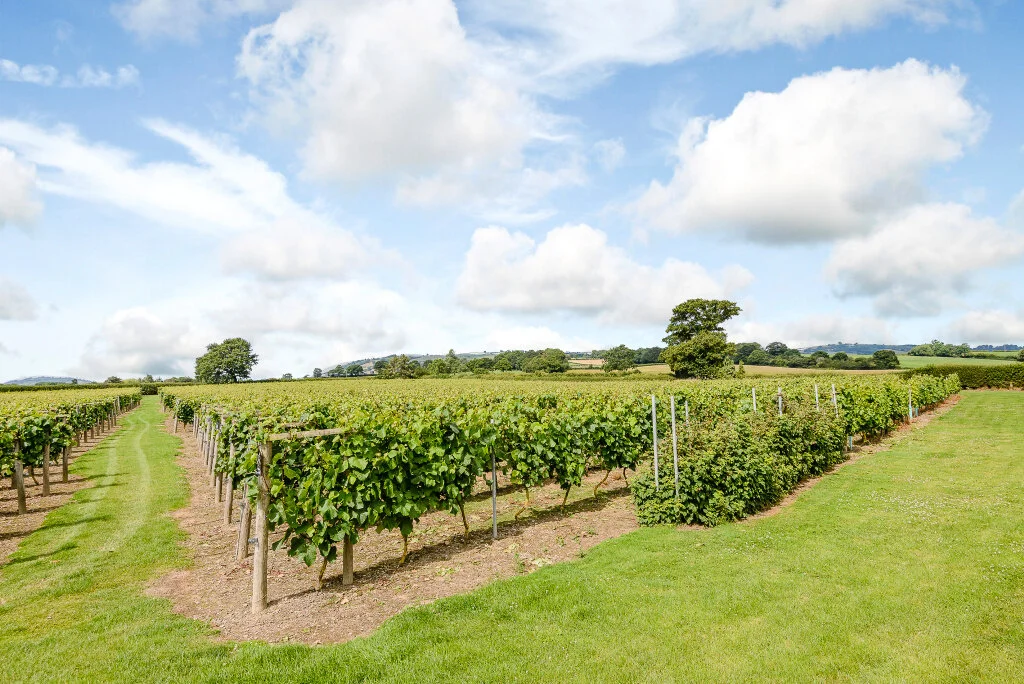
Bred specifically to survive a cold, unpredictable climate, Rondo has become one of England's most widely planted red grapes.
Schönburger
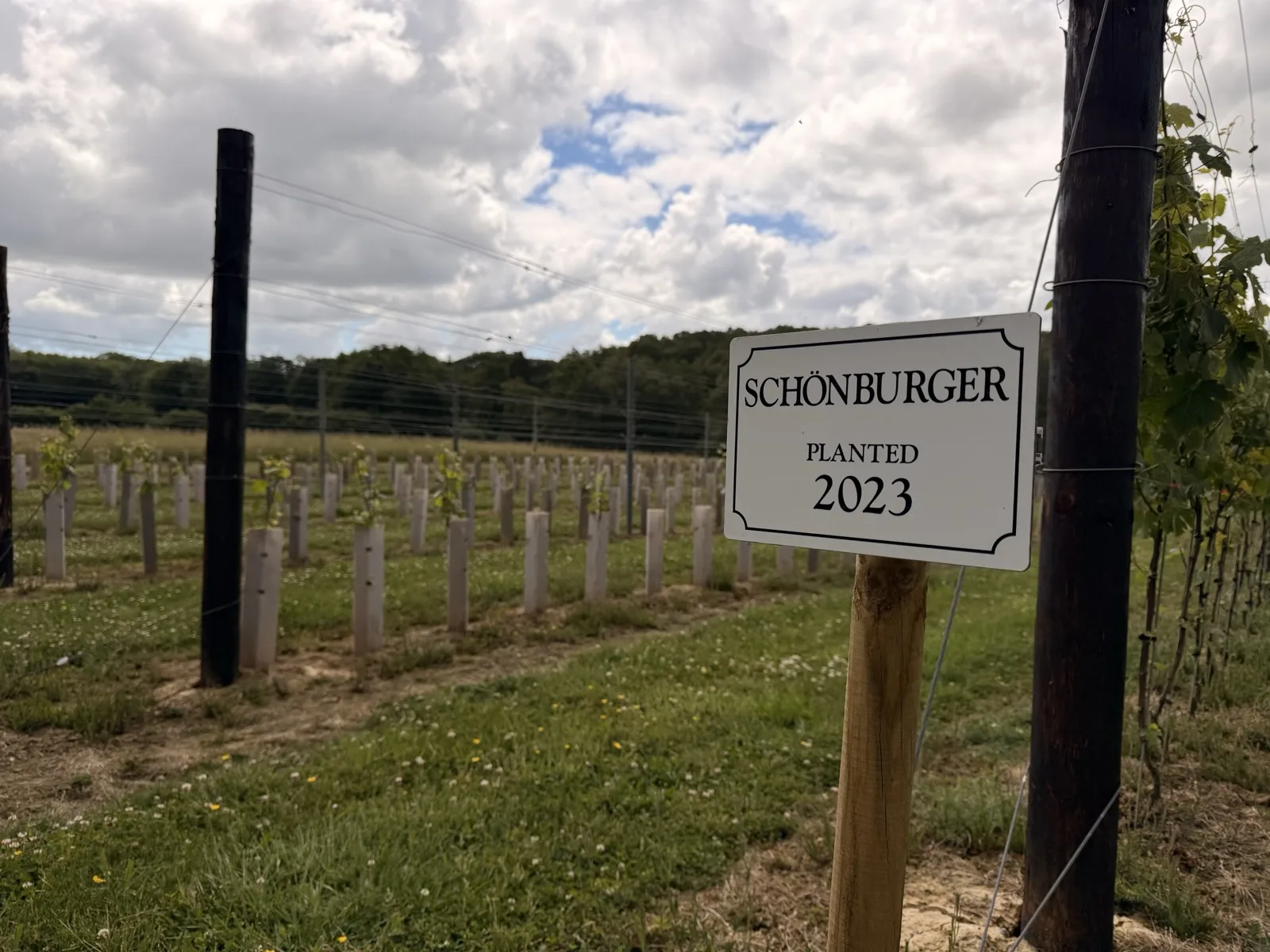
Released in 1979 from the same German institute that bred Bacchus and Ortega, Schönburger is one of England's rarest grapes, an intensely perfumed pink-skinned white suited to a maritime climate.
Ortega FAQs
Which English Ortega is the best?
It depends on the style you like, but competition results give a useful steer. Biddenden Vineyards has picked up the most medals for Ortega since 2022, nine in all across WineGB, IWSC, Decanter and IEWA, including Decanter silver in 2026 for its Chapter 56 Ortega. Westwell, where Ortega is the signature grape, has four, including WineGB silver in 2026 for its skin-contact Ortega. A personal favourite is Westwell's 2025 Ortega, with a lovely balance of salinity and a subtle tropical note.
Is Ortega a red or white wine?
White. Ortega is used almost exclusively for aromatic still white wine in England, with a small number of producers using it in sparkling blends.
Is Ortega sweet or dry?
Usually just off-dry rather than bone dry, though this varies by producer. Its gentle, balanced acidity helps carry a touch of natural sweetness rather than masking it.
Where does Ortega come from?
Ortega was bred in 1948 by Hans Breider at a research institute in Würzburg, Germany, by crossing Müller-Thurgau and Siegerrebe. Breider named it after the Spanish philosopher José Ortega y Gasset.
How does Ortega compare to Bacchus?
Both are German-bred whites, but Ortega arrived in England first, planted from the early 1970s, well before Bacchus took over as the country's signature grape. Ortega tends towards peach and spice with a touch of sweetness, where Bacchus stays bone dry with elderflower and cut grass.
What food goes well with Ortega?
Its floral, peachy character suits lighter dishes best: fish and chips, prawns, oysters or sushi all work well. It handles a bit of spice too, so it pairs nicely with milder Thai or Asian dishes, but can get lost against anything rich or creamy.
Does Ortega improve with age?
Most English Ortega is made to drink young, within a year or two of the vintage. Sweeter styles are the exception: their higher sugar levels mean some producers cellar them for a few years, where they're said to develop further.
How much does English Ortega cost?
Typically £14 to £20 a bottle, well below what Chardonnay or Pinot Noir usually cost, since neither goes into England's pricier sparkling wines.